
Du, et al (2024) BiocharBiochar is a carbon-rich material created from biomass decomposition in low-oxygen conditions. It has important applications in environmental remediation, soil improvement, agriculture, carbon sequestration, energy storage, and sustainable materials, promoting efficiency and reducing waste in various contexts while addressing climate change challenges. More Application in Combination with No Tillage Enhanced Yield and Grain Quality of Ratoon Rice. Agriculture. https://doi.org/10.3390/agriculture14081407
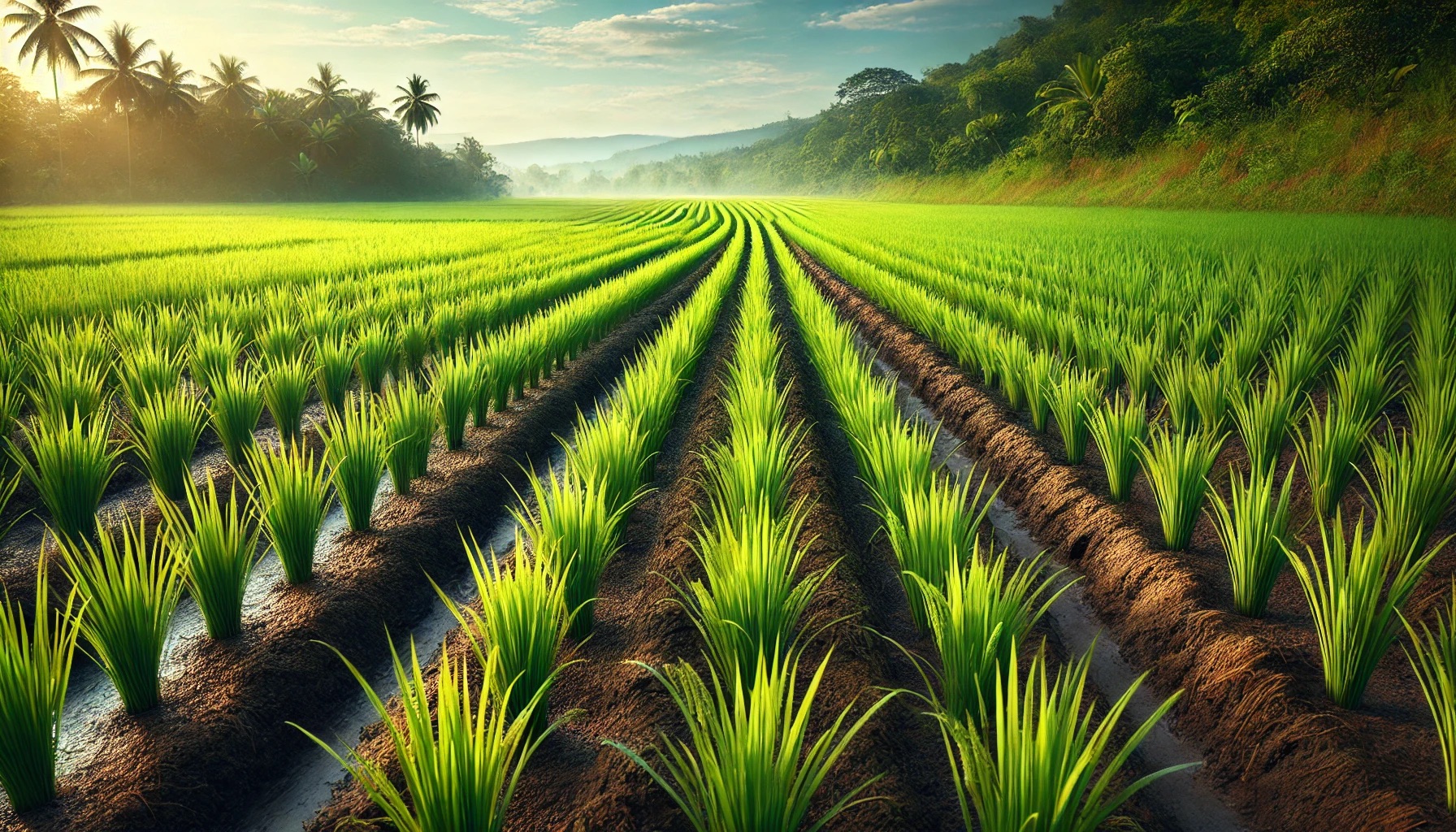
Recent studies have shown that combining biochar application with no-tillage practices significantly improves the yield and grain quality of ratoon rice. Ratoon rice, the regrowth from rice stubble after the main harvest, is valued for its efficient use of resources. However, no-tillage, while beneficial for soil preservation, tends to reduce yield compared to conventional tillage methods.
Researchers conducted a study in China, evaluating four treatments: rotary tillage, rotary tillage with biochar, no-tillage, and no-tillage with biochar. The results revealed that while no-tillage alone reduced yields by 15%, biochar application counteracted this by increasing yields by 20% under no-tillage conditions. This yield boost was attributed to biochar’s ability to enhance soil structure and nutrient availability, leading to increased panicle numbers, spikelet density, and grain filling rates.
In addition to boosting yields, biochar improved grain quality. It increased protein content while reducing undesirable traits like chalkiness. Notably, ratoon rice, which undergoes regrowth in cooler conditions, inherently benefits from plumper grains and better milling quality. Biochar further enhanced these advantages.
Moreover, biochar stimulated the activity of antioxidant enzymes in rice plants, helping them better withstand stress from no-tillage conditions. This combination of no-tillage and biochar presents a sustainable strategy for ratoon rice farming, improving both productivity and grain quality, while also promoting soil health.
This research underscores the potential of biochar to mitigate the limitations of no-tillage farming and enhance the sustainability of rice production.



Leave a Reply