
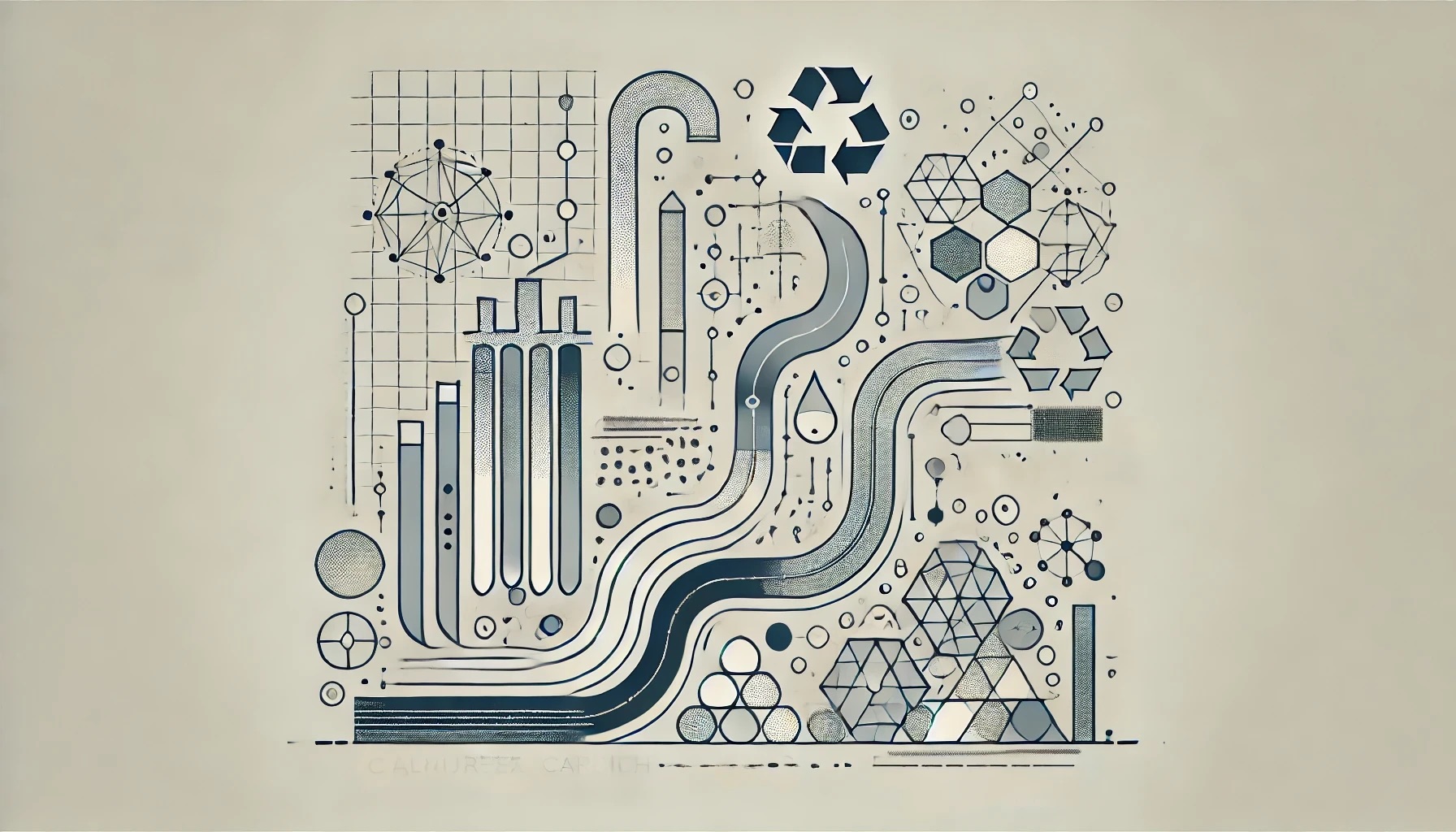

Sewage sludge, a byproduct of wastewater treatment, is a potential resource for phosphorus recovery, containing 85-95% of the phosphorus from the treatment process. Phosphorus is an essential, yet finite resource, making its recovery crucial. Pyrolysis, a thermal process, can convert sewage sludge into biochar rich in phosphorus. However, much of the phosphorus in traditional biochar is in non-apatite forms, which are not readily bioavailable for agricultural use.
A recent study explores a method to enhance the bioavailability of phosphorus in biochar by adding carbide slag, a calcium-rich industrial byproduct, during the pyrolysis process. The carbide slag promotes the conversion of non-apatite phosphorus into bioavailable apatite forms. This process occurs at relatively low temperatures and reduces the concentration of heavy metals in the biochar, making it safer for environmental applications.
The study’s findings show that adding carbide slag not only improves phosphorus bioavailability but also offers a synergistic solution for disposing of both sewage sludge and calcium-rich industrial waste. This approach presents an environmentally sustainable method for phosphorus recovery and waste management, with potential benefits for agriculture and soil health.
These insights hold promise for large-scale phosphorus recovery from sewage sludge, addressing both resource scarcity and pollution challenges.


![Eucalyptus Wood Waste-Derived Biochar Achieves a Ninety-Eight Percent Removal Efficiency for Benzo[ghi]perylene in Vehicle-Wash Wastewater](https://biochartoday.com/wp-content/uploads/2026/10/SCIENCE-BLOGS-2026-2026-10-19T160523.703.jpg)

Leave a Reply