
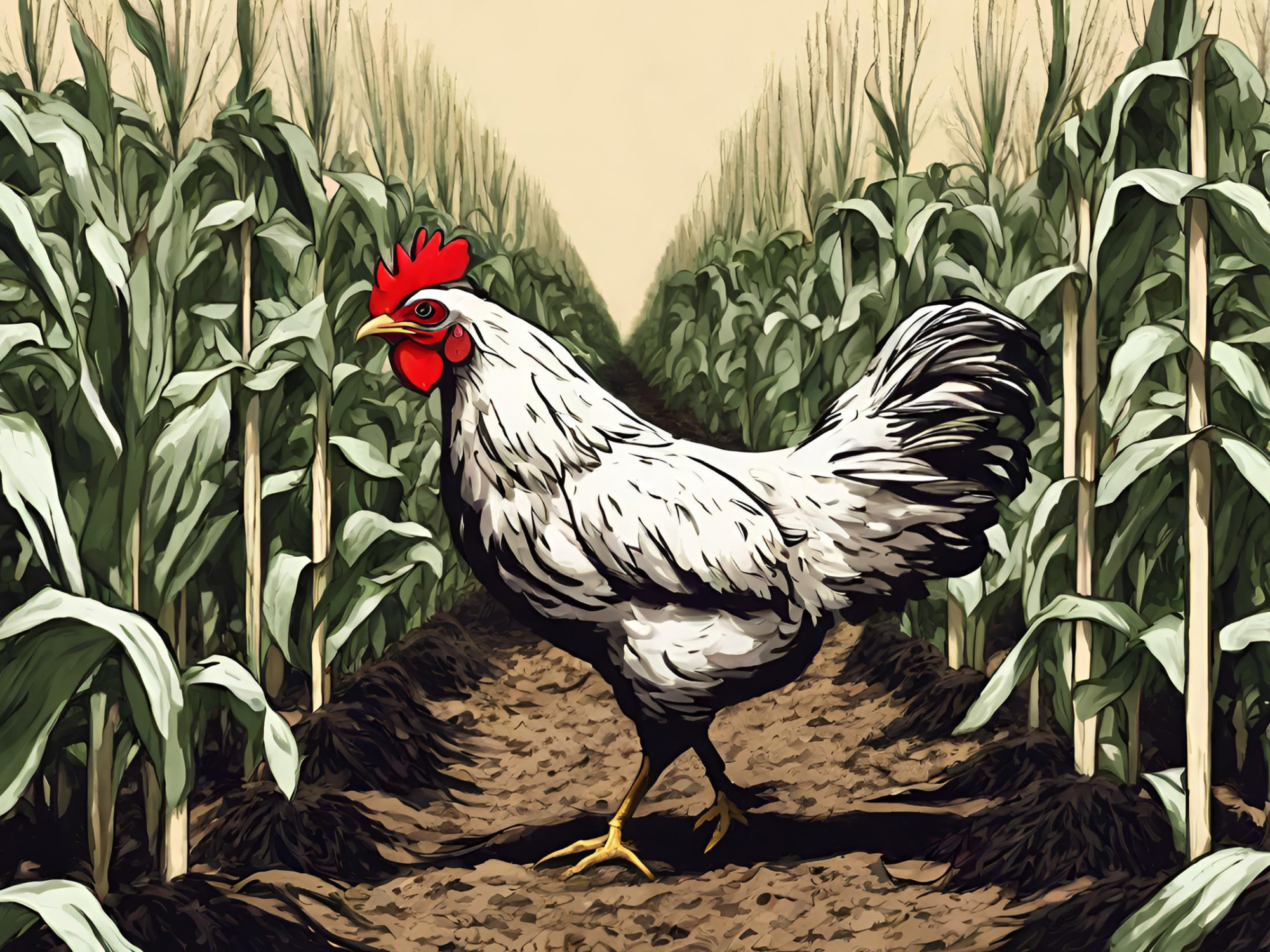
Leite, Souza, et al (2024) Phosphate-solubilizing bacteria increase maize phosphorus uptake from magnesium-enriched poultry manure biocharBiochar is a carbon-rich material created from biomass decomposition in low-oxygen conditions. It has important applications in environmental remediation, soil improvement, agriculture, carbon sequestration, energy storage, and sustainable materials, promoting efficiency and reducing waste in various contexts while addressing climate change challenges. More. Biology and Fertility of Soils. https://doi.org/10.1007/s00374-024-01808-x
The potential of manure-derived biochars as fertilizers is being explored due to their ability to concentrate non-volatile nutrients through pyrolysisPyrolysis is a thermochemical process that converts waste biomass into bio-char, bio-oil, and pyro-gas. It offers significant advantages in waste valorization, turning low-value materials into economically valuable resources. Its versatility allows for tailored products based on operational conditions, presenting itself as a cost-effective and efficient More. In a recent study, researchers focused on enhancing the magnesium (Mg) content of poultry manure biochar to improve its effectiveness. They investigated phosphate-solubilizing bacteria (PSB) strains’ ability to solubilize phosphorus (P) from both unenriched and Mg-enriched biochar, aiming to evaluate maize growth in soil treated with biochar.
The study examined various PSB strains, including Paraburkholderia fungorum UFLA 04–155, Pseudomonas anuradhapurensis UFPI B5-8A, Paenibacillus chondroitinus UFLA 03–116, Acinetobacter pittii UFLA 03–09, and Rhizobium tropici CIAT 899. Biochar was produced from poultry manure at different temperatures, and maize growth and P uptake were monitored over 15 and 30 days in greenhouse conditions.
Results indicated that P. anuradhapurensis UFPI B5-8A significantly increased P release from Mg-biochar compared to unenriched biochar. Moreover, this strain excreted tartaric and gluconic acids when mixed with Mg-biochar, while primarily exuding malic acid when applied to unenriched biochar. Additionally, maize treated with P. anuradhapurensis UFPI B5-8A or Mg-enriched biochar showed a 20% increase in P uptake compared to those treated with unenriched biochar.
The findings suggest that combining Mg-enriched biochar with PSB inoculation can enhance phosphate availability from poultry manure and improve maize phosphorus utilization efficiency, highlighting a promising synergistic approach for sustainable agriculture.




Leave a Reply