
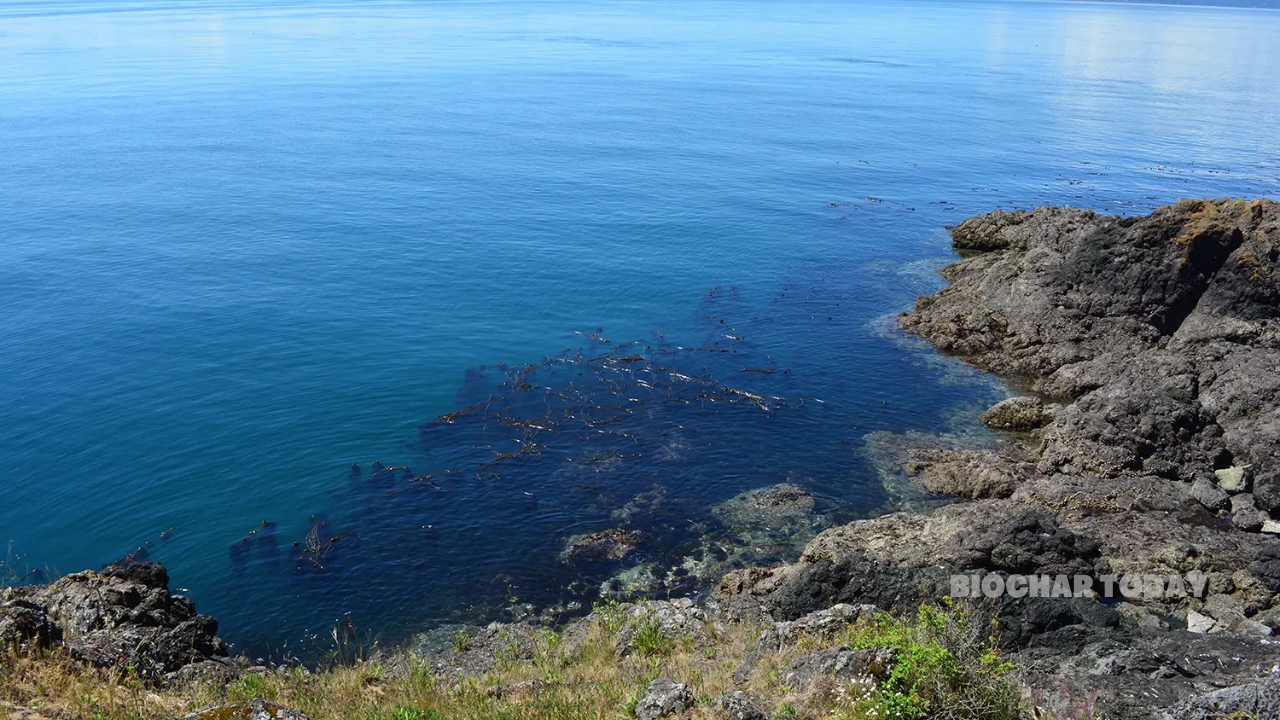
A recent study authored by Dr. Karen Filbee-Dexter and colleagues at the University of Western Australia (Australia) and the Bedford Institute of Oceanography (Canada) evaluates whether seaweed restoration and farming can match the scale of climate-driven kelp forest losses. Published in the Responsible Seafood Advocate, the analysis indicates that climate change is currently stripping natural seaweed ecosystems of their carbon sink capacity faster than restoration or aquaculture can replace it. While seaweed aquaculture offers sustainable pathways for producing food, feed, biodegradable materials, and biocharBiochar is a carbon-rich material created from biomass decomposition in low-oxygen conditions. It has important applications in environmental remediation, soil improvement, agriculture, carbon sequestration, energy storage, and sustainable materials, promoting efficiency and reducing waste in various contexts while addressing climate change challenges. More, the authors argue that marine carbon removal cannot keep pace with emissions-driven degradation.
The primary challenge addressed in the research is the accelerating loss of natural kelp forest extent driven by marine heatwaves and climate stress. Global kelp habitats are declining by approximately 1.8 percent annually, with recent heatwaves destroying tens of thousands of hectares and releasing millions of metric tons of carbon dioxide. When marine forests collapse in shallow waters, a significant fraction of stored carbon returns to the atmosphere, converting historical carbon sinks into net carbon sources and outpacing intervention gains by three to four orders of magnitude.
To address this imbalance, the study suggests shifting policy and research priorities from relying on seaweed as a scalable carbon-dioxide removal (CDR) offset market to focusing heavily on protecting existing marine forests and reducing greenhouse gas emissions. Although seaweed farming and wild restoration provide critical local benefits—such as boosting coastal biodiversity, improving water function, and supplying low-carbon materials like biochar—life-cycle numbers show that farm operations emit more carbon than they bury in a majority of evaluated cases.
As a result, the authors emphasize that marine conservation must prioritize stopping sink degradation over generating future credits. Protecting standing kelp forests is substantially more cost-effective than active restoration, ensuring that fragile marine ecosystems are preserved rather than used to license ongoing fossil fuel emissions.

Leave a Reply