
Kim, Lee, et al (2024) Alginate-encapsulated biocharBiochar is a carbon-rich material created from biomass decomposition in low-oxygen conditions. It has important applications in environmental remediation, soil improvement, agriculture, carbon sequestration, energy storage, and sustainable materials, promoting efficiency and reducing waste in various contexts while addressing climate change challenges. More as an effective soil ameliorant for reducing Pb phytoavailability to lettuce (Lactuca sativa L.). Environmental Science and Pollution Research. https://doi.org/10.1007/s11356-024-32594-6
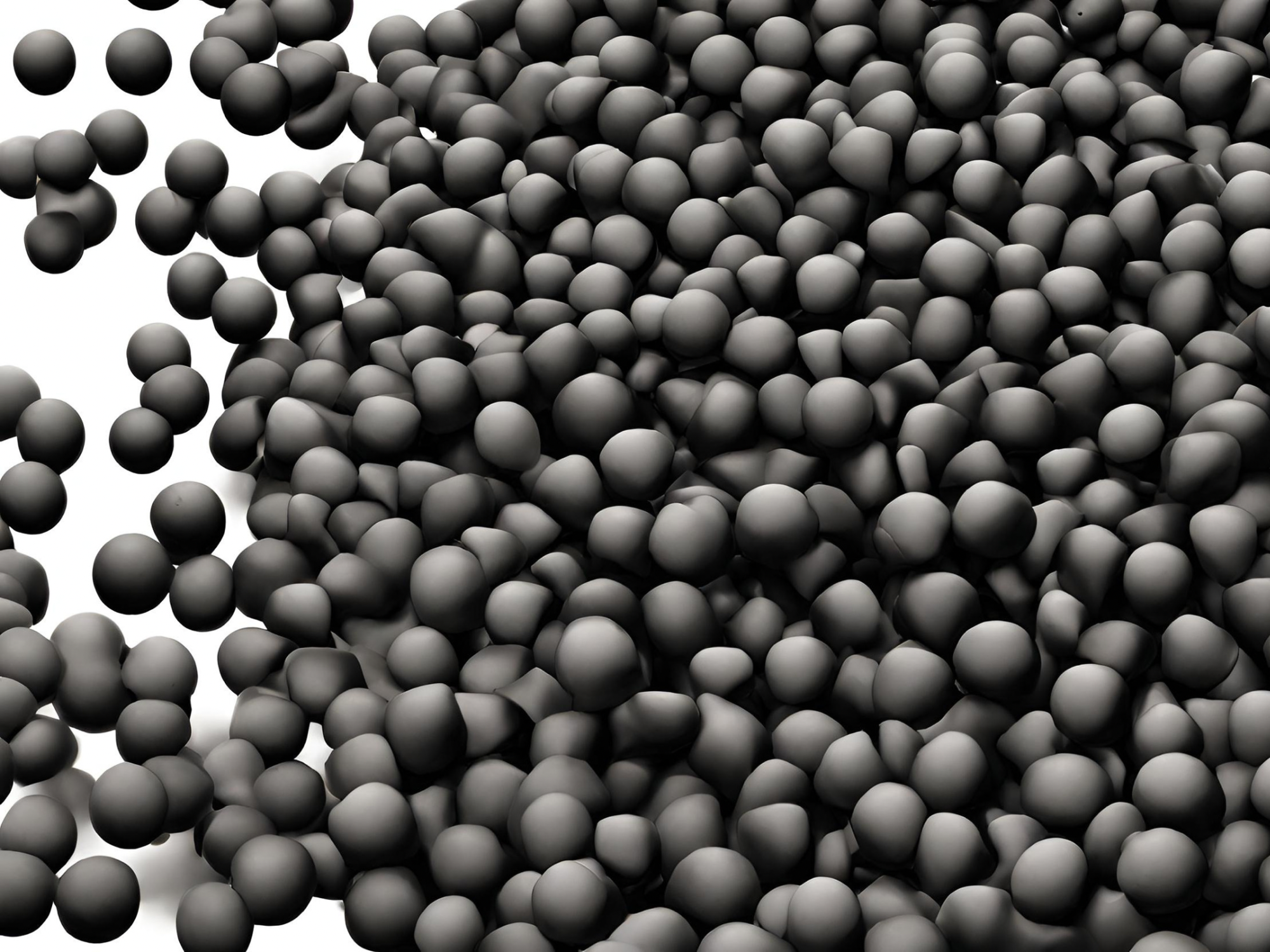
The widespread application of alginate-biochar formulations for metal removal in aquatic environments has not translated seamlessly to the soil-crop continuum. While biochar is gaining popularity as a soil amendmentA soil amendment is any material added to the soil to enhance its physical or chemical properties, improving its suitability for plant growth. Biochar is considered a soil amendment as it can improve soil structure, water retention, nutrient availability, and microbial activity. More due to its carbon sequestration potential and sorption capacity, handling powdery biochar poses challenges, making it susceptible to water and wind loss. In response, this study explores the encapsulation of pyrolyzed oak tree biochar into alginate beads, aiming to improve its practicality and efficacy in soil applications.
Conducting both batch and pot experiments, researchers compared the performance of alginate-encapsulated biochar beads (BB) with the original biochar powdery form (BP) in terms of lead (Pb) adsorption capacity and phytoavailability to lettuce (Lactuca sativa L.).
The BB treatment exhibited a six-fold improvement in reactivity, attributed to its higher surface area (287 m2 g−1) and five times greater cation exchange capacity (50 cmolc kg−1) compared to the BP treatment. The encapsulated beads increased the maximum sorption capacity of Pb from 81 to 152 mg g−1, primarily due to surface chemosorption. The adsorption process followed multiple first-order kinetics, with over 60% of Pb adsorbed within the first 3 hours.
Impact on Soil and Crop:
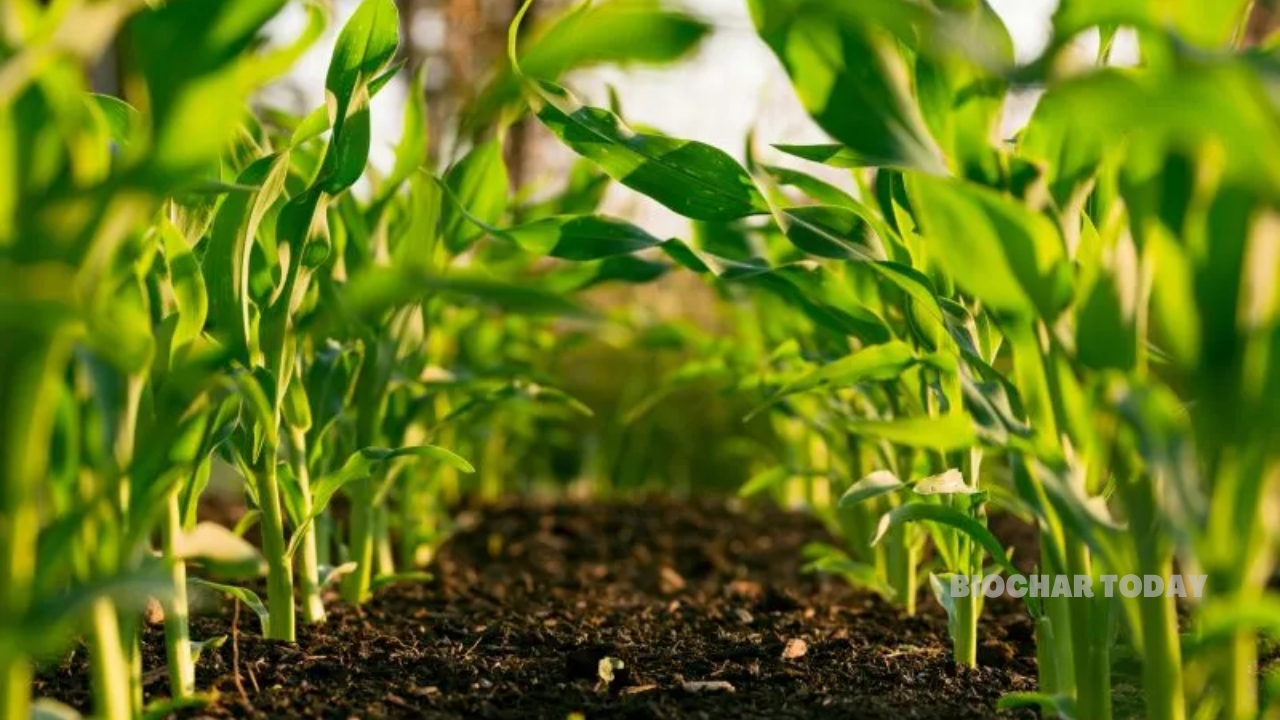
At a 5% level (w/w), the BB treatment raised soil pHpH is a measure of how acidic or alkaline a substance is. A pH of 7 is neutral, while lower pH values indicate acidity and higher values indicate alkalinity. Biochars are normally alkaline and can influence soil pH, often increasing it, which can be beneficial More from 5.4 to 6.5 and reduced the phytoavailable fraction of Pb from 5.7 to 0.3 mg kg−1. Although Pb concentrations in lettuce cultivated with BP and BB treatments were similar, they were 63% and 66% lower, respectively, than those in the control soil.
Encapsulating biochar with alginate proves to be a promising strategy for enhancing its adsorption capabilities in soil applications, addressing challenges associated with biochar handling and significantly reducing phytoavailability of metals in crops. This innovation holds potential for sustainable metal remediation in agricultural systems.



Leave a Reply