
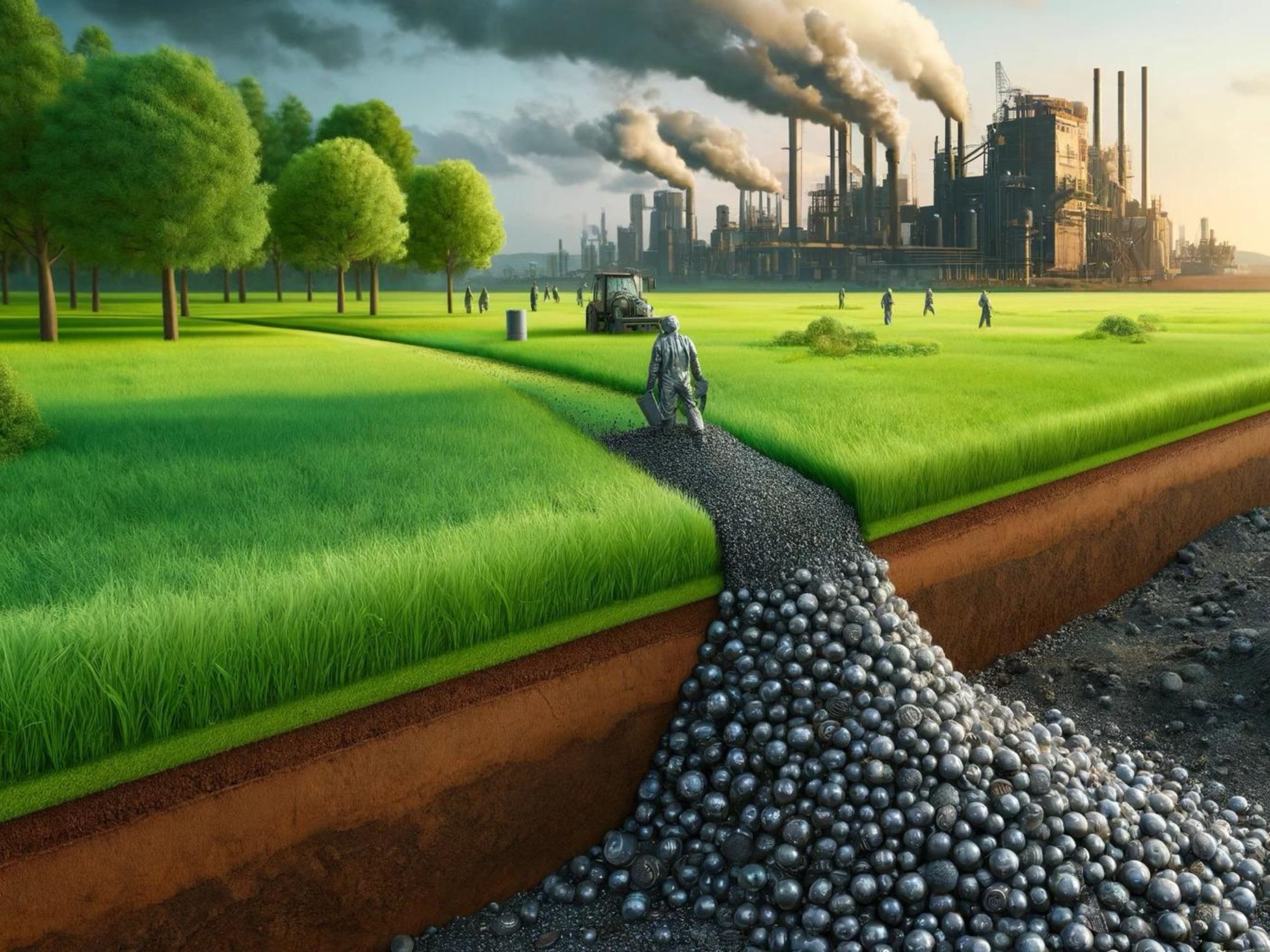

Biochar, a potent absorbent for heavy metals, is crucial in mitigating environmental pollutants and safeguarding human health. The increased discharge of heavy metals due to agricultural and industrial activities necessitates effective remediation strategies, where biochar plays a significant role. However, the adsorption capabilities of biochar are influenced by several factors which remain incompletely understood.
This comprehensive review explores traditional and emerging methods of biochar preparation. Traditional methods like pyrolysisPyrolysis is a thermochemical process that converts waste biomass into bio-char, bio-oil, and pyro-gas. It offers significant advantages in waste valorization, turning low-value materials into economically valuable resources. Its versatility allows for tailored products based on operational conditions, presenting itself as a cost-effective and efficient More, hydrothermal carbonization, and gasificationGasification is a high-temperature, thermochemical process that converts carbon-based materials into a gaseous fuel called syngas and solid by-products. It takes place in an oxygen-deficient environment at temperatures typically above 750°C. Unlike combustion, which fully burns material to produce heat and carbon dioxide (CO2), gasification More are well-established, whereas newer techniques such as retort carbonization and torrefaction offer novel approaches. These preparation methods significantly impact the physical and chemical properties of biochar, which in turn affect its efficiency in heavy metals adsorption.
The modification of biochar through alkaline, acidic, ferromagnetic, and microbial treatments enhances its adsorption capacity by introducing functional sites. These modifications are crucial for optimizing biochar to target specific heavy metals more effectively. The dynamics of adsorption are further understood through the study of adsorption kinetics and isotherms, providing a theoretical foundation that supports practical applications.
For biochar to be implemented on a large scale, several practical considerations must be addressed. These include the methods of biochar utilization in the field, the environmental risks associated with its use, and the safety concerns of biochar disposal. Additionally, economic analysis, challenges in industrial-scale implementations, life cycle assessments, and sustainability analyses are critical to fostering a comprehensive understanding of biochar’s application in heavy metal remediation.
In conclusion, while biochar is a promising solution for the remediation of heavy metal pollution, its effectiveness is highly dependent on the method of preparation and modification. Ensuring safe and sustainable application of biochar is complex and requires further research and development. This review highlights the need for innovative approaches to enhance biochar’s functionality and facilitate its practical use in environmental cleanup efforts.



Leave a Reply