
Ebrahimi, et al (2024) Biochar-amended food waste compost: A review of properties. Results in Engineering. https://doi.org/10.1016/j.rineng.2024.103118
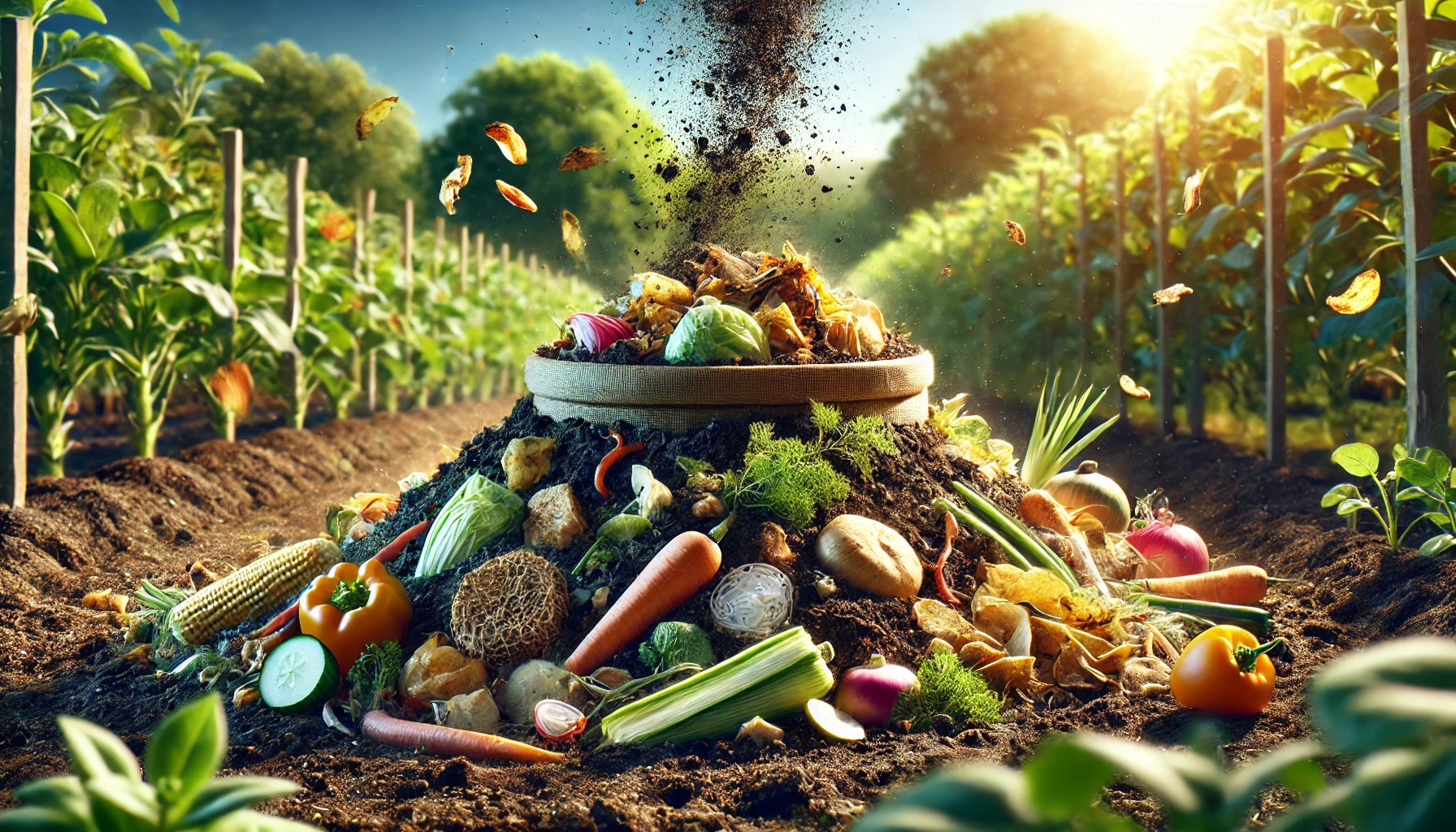
BiocharBiochar is a carbon-rich material created from biomass decomposition in low-oxygen conditions. It has important applications in environmental remediation, soil improvement, agriculture, carbon sequestration, energy storage, and sustainable materials, promoting efficiency and reducing waste in various contexts while addressing climate change challenges. More, a carbon-rich material produced via pyrolysisPyrolysis is a thermochemical process that converts waste biomass into bio-char, bio-oil, and pyro-gas. It offers significant advantages in waste valorization, turning low-value materials into economically valuable resources. Its versatility allows for tailored products based on operational conditions, presenting itself as a cost-effective and efficient More, has shown promise as a compost amendment, particularly in food waste (FW) management. A recent systematic review of 11 studies explored the effects of biochar on FW compost, highlighting its benefits and revealing critical knowledge gaps.
The review found that biochar improves compost quality by accelerating the composting process and enhancing microbial activity. Specifically, biochar shortens the time needed to reach the thermophilic stage and increases overall compost temperatures, which are essential for organic matter degradation and pathogen reduction. Biochar also helps retain nitrogen, reduce ammonia emissions, and maintain favorable pHpH is a measure of how acidic or alkaline a substance is. A pH of 7 is neutral, while lower pH values indicate acidity and higher values indicate alkalinity. Biochars are normally alkaline and can influence soil pH, often increasing it, which can be beneficial More levels for microbial growth. Additionally, its porous structure improves compost aeration and moisture retention, further promoting microbial activity.
One of biochar’s most notable benefits is its ability to immobilize heavy metals, reducing their bioavailability in the final compost product. However, several gaps in the literature remain. Few studies have addressed biochar’s effect on microbial quality or long-term field applications. Additionally, the economic feasibility of incorporating biochar into large-scale composting operations, especially in low-income regions, requires further analysis.
To optimize the use of biochar in FW composting, future research should focus on determining the best biochar-to-compost ratios, assessing plant uptake from amended soils, and evaluating its long-term cost-effectiveness. By addressing these gaps, biochar could become a vital tool in sustainable waste management and soil fertility enhancement.




Leave a Reply