
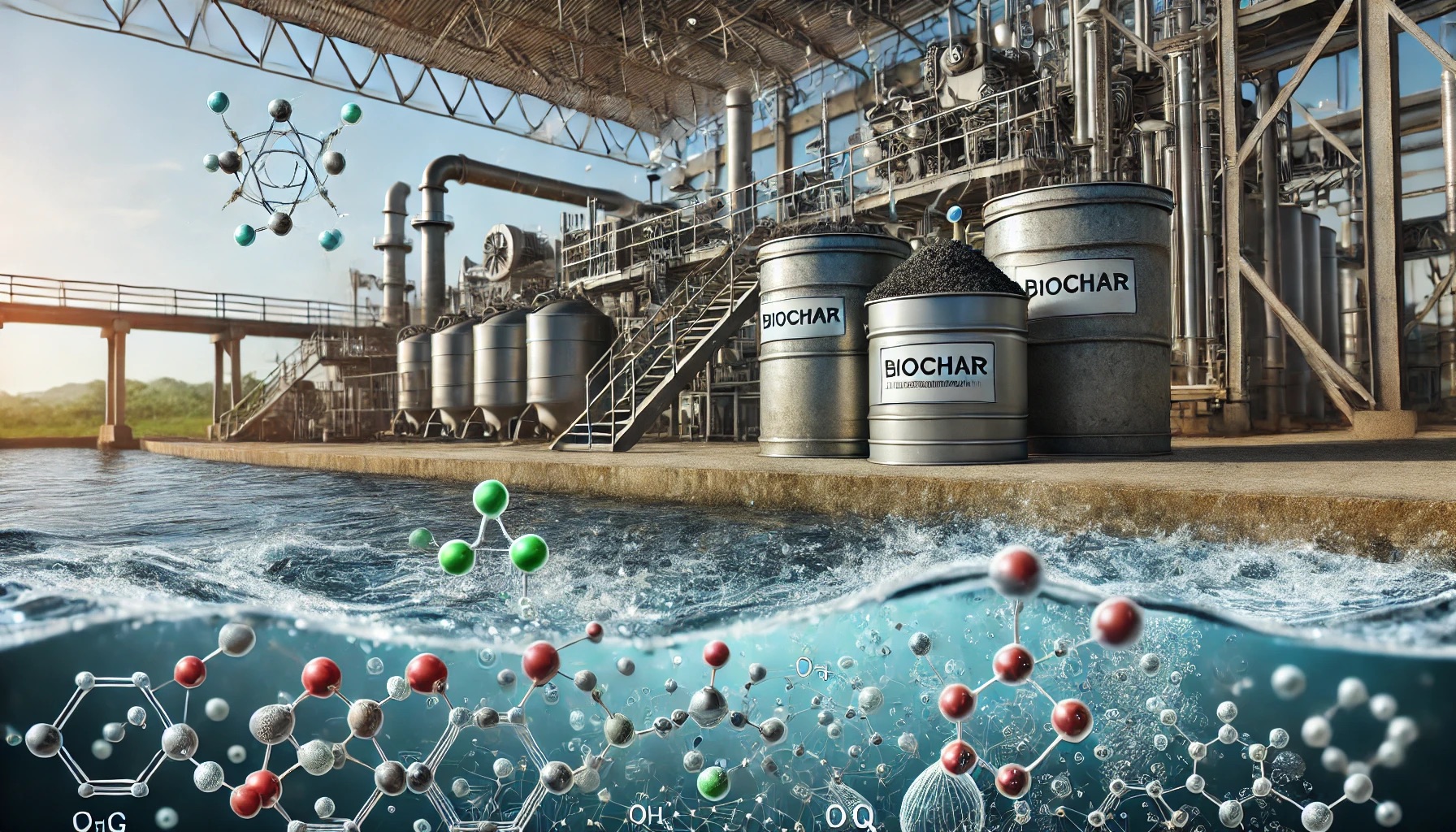

Researchers have developed a new method to efficiently remove phenolic compounds (PCs) from wastewater using sludge biochar. These compounds, common pollutants from industries like petrochemical and coal mining, are challenging to eliminate due to their chemical stability and high concentrations in wastewater. Traditional methods often require large amounts of chemicals, which can be costly and environmentally harmful.
In this study, the team focused on a catalytic process involving graphitic sludge biochar (SDBCs) combined with potassium persulfate (PDS). This method leverages the unique properties of SDBCs to activate PDS, which then breaks down the PCs. The innovative aspect of this research is the low chemical input needed. By using advanced techniques like in-situ infrared and Raman spectroscopy, the team monitored how the SDBC-PDS complexes formed and drove the electron-transfer process, leading to the effective degradation of PCs into less harmful substances.
The results showed that the process not only reduced the overall amount of organic carbon in the water but did so with a significantly lower PDS consumption compared to traditional methods. This makes the approach both cost-effective and environmentally friendly. The study also explored how different conditions and types of PCs affected the degradation process, providing valuable insights for real-world applications.
Overall, this work offers a promising new solution for treating phenolic wastewater, with potential benefits for both industrial wastewater management and environmental protection.



Leave a Reply