
Hu, et al (2024) An economical preparation strategy of magnetic biocharBiochar is a carbon-rich material created from biomass decomposition in low-oxygen conditions. It has important applications in environmental remediation, soil improvement, agriculture, carbon sequestration, energy storage, and sustainable materials, promoting efficiency and reducing waste in various contexts while addressing climate change challenges. More with high specific surface area for efficient removal of methyl orange. International Journal of Biological Macromolecules. https://doi.org/10.1016/j.ijbiomac.2024.134156
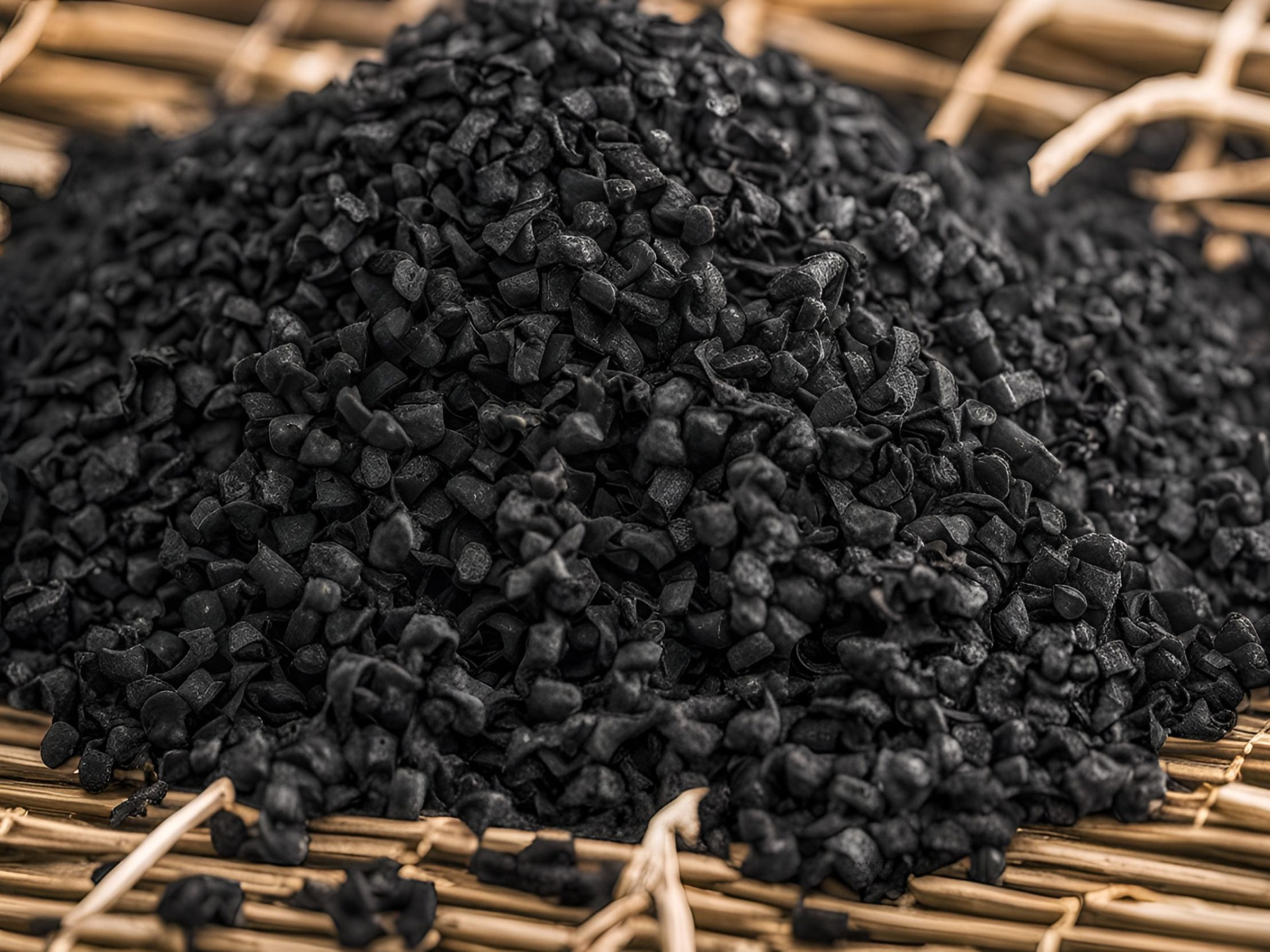
Recent research published in the International Journal of Biological Macromolecules presents an economical method for preparing magnetic biochar (MBC) from pepper straw. This biochar, produced through a combination of impregnation and microwave pyrolysisPyrolysis is a thermochemical process that converts waste biomass into bio-char, bio-oil, and pyro-gas. It offers significant advantages in waste valorization, turning low-value materials into economically valuable resources. Its versatility allows for tailored products based on operational conditions, presenting itself as a cost-effective and efficient More, shows promise for efficiently removing methyl orange (MO) from wastewater. By optimizing pyrolysis temperature and iron chloride (FeCl3) concentration, researchers achieved a significant increase in the biochar’s specific surface area, reaching 2038.61 m²/g—a nearly 12-fold improvement.
The study found that MBC0.2-900, a specific variant of this biochar, exhibited the highest adsorption capacity for MO at 437.18 mg/g, outperforming unmodified biochar by 3.4 times. The adsorption process was characterized by various interactions, including pore-filling, π-π electron donor-acceptor, and hydrogen bonding, with the process being primarily driven by chemisorption.
Beyond its high adsorption efficiency, this magnetic biochar stands out for its low cost, easy separability using magnets, and reusability, making it an appealing option for industrial wastewater treatment. The findings provide a strong theoretical foundation for producing high-performance biochar and advancing pollutant removal technologies, particularly in dealing with hazardous dye contaminants like methyl orange.



Leave a Reply