
Boostani, H.R., Hosseini, S.M. & Hardie, A.G. Mechanisms of Cd immobilization in contaminated calcareous soils with different textural classes treated by acid- and base-modified biochars. Sci Rep14, 24614 (2024). https://doi.org/10.1038/s41598-024-76229-9
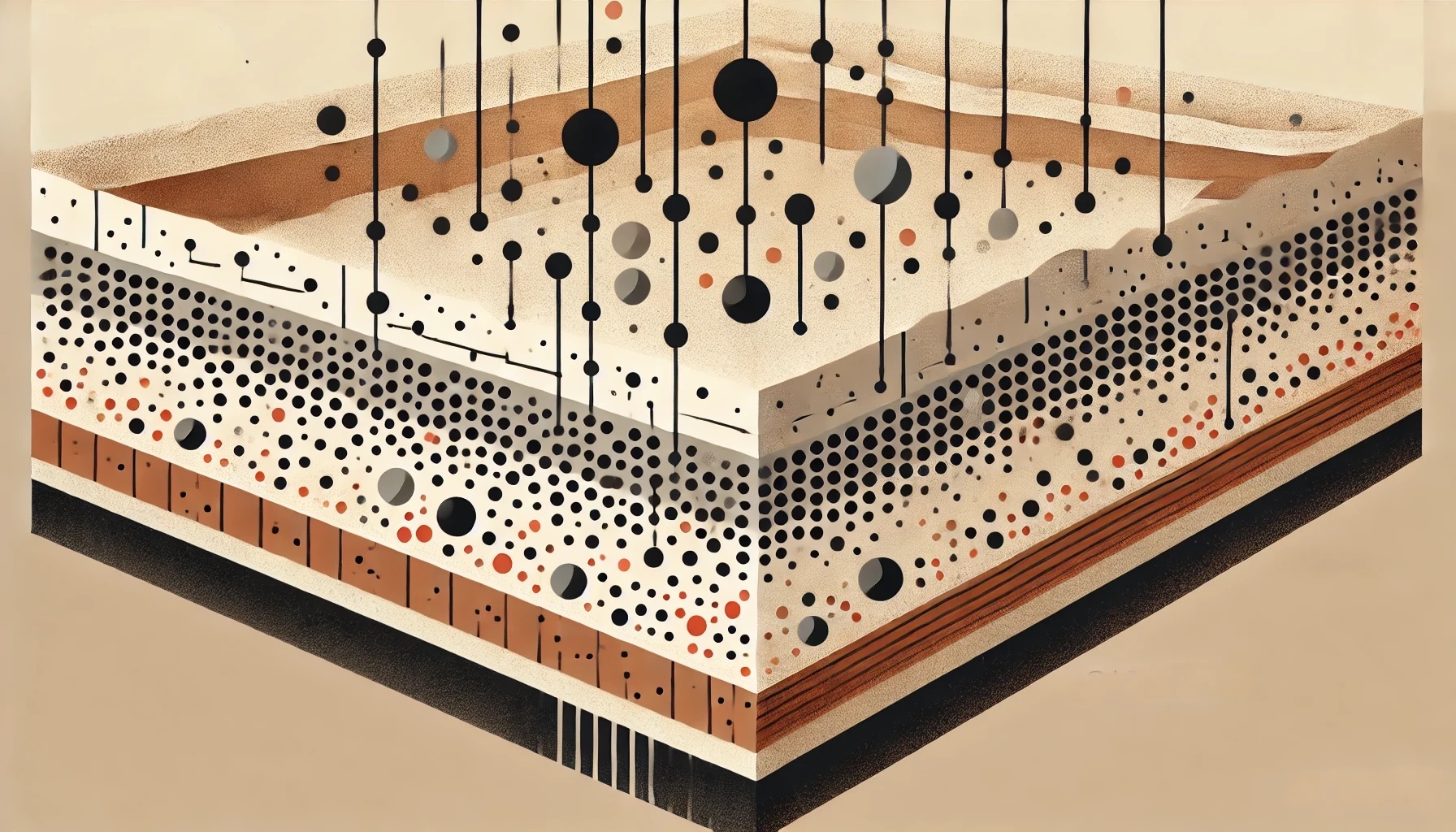
BiocharBiochar is a carbon-rich material created from biomass decomposition in low-oxygen conditions. It has important applications in environmental remediation, soil improvement, agriculture, carbon sequestration, energy storage, and sustainable materials, promoting efficiency and reducing waste in various contexts while addressing climate change challenges. More, a carbon-rich material, shows promise for stabilizing potentially toxic elements like cadmium (Cd) in contaminated soils. A recent study investigated the effects of biochars—both acid- and base-modified—on Cd immobilization across different soil textures (silty clay loam, loam, and sandy loam) in calcareous soils. The biochars were derived from rice husk and sheep manure and applied to Cd-contaminated soils at a 2% rate.
The study found that acid-modified sheep manure biochar was the most effective treatment, reducing the water-soluble and exchangeable Cd fraction by 20.5%. This was attributed to the biochar’s enhanced surface oxygen functional groups, which complexed with Cd, converting it into less mobile forms bound to organic matter and metal oxides. However, this biochar also released more Cd during EDTA extraction, suggesting that Cd bound to oxygen-rich functional groups is more easily desorbed compared to Cd bound to insoluble compounds formed by base-modified biochar.
Soil texture significantly influenced Cd immobilization. Sandy loam soil, with its lower clay content and cation exchange capacity, showed higher Cd mobility, highlighting the need for tailored treatments in lighter soils. Overall, base-modified biochar, particularly from sheep manure, showed potential for use as a soil amendmentA soil amendment is any material added to the soil to enhance its physical or chemical properties, improving its suitability for plant growth. Biochar is considered a soil amendment as it can improve soil structure, water retention, nutrient availability, and microbial activity. More in contaminated calcareous soils, offering a sustainable solution to mitigate Cd pollution.




Leave a Reply