
Soltani-Gerdefaramarzi, S., Hoseinollahi, M., Meftahizadeh, H. et al. Differential responses of two local and commercial guar cultivars for nutrient uptake and yield components under drought and biocharBiochar is a carbon-rich material created from biomass decomposition in low-oxygen conditions. It has important applications in environmental remediation, soil improvement, agriculture, carbon sequestration, energy storage, and sustainable materials, promoting efficiency and reducing waste in various contexts while addressing climate change challenges. More application. Sci Rep14, 23665 (2024). https://doi.org/10.1038/s41598-024-74849-9
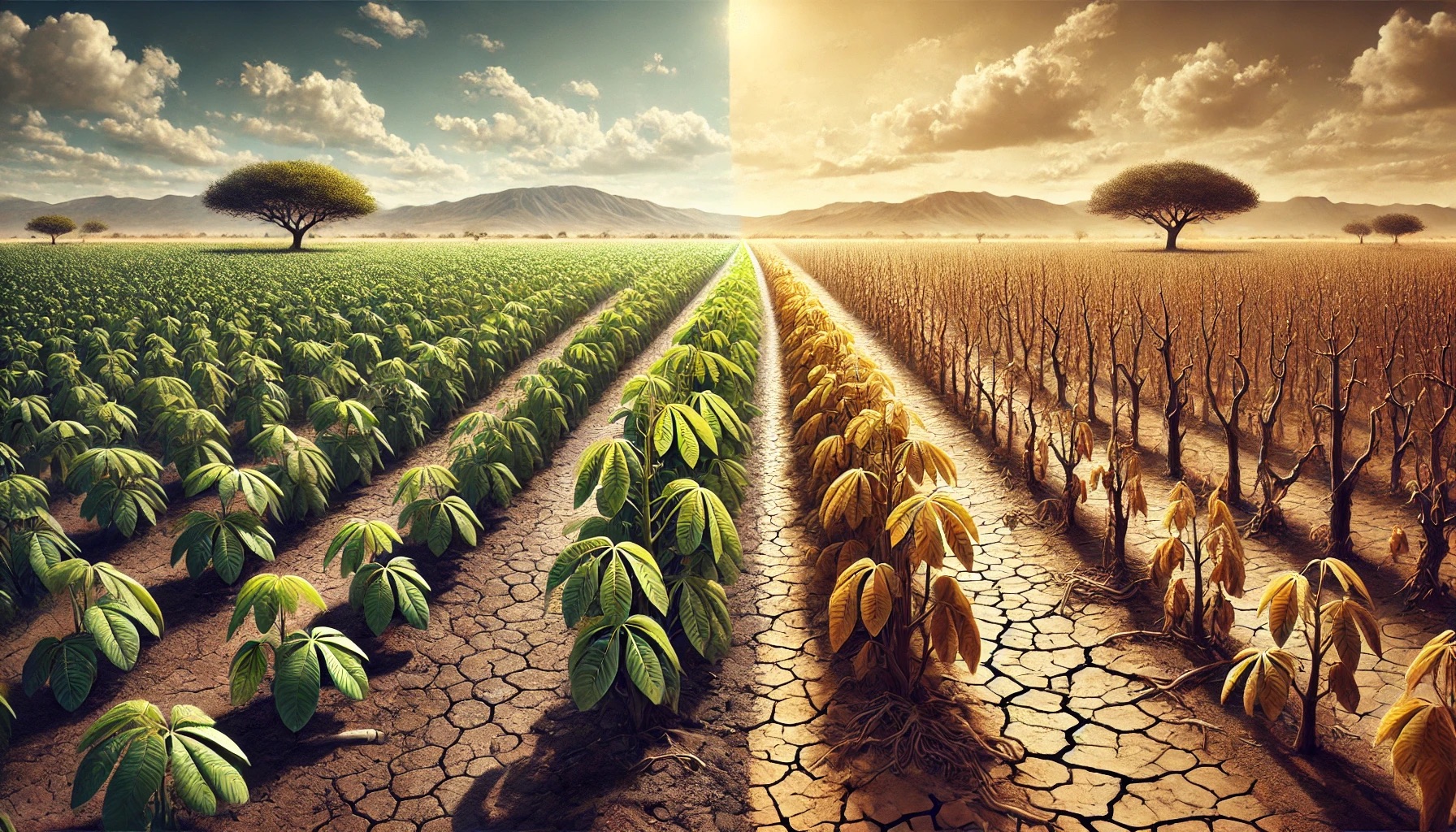
Drought stress significantly affects crop yields, making resilient plants like guar (Cyamopsis tetragonoloba L.) essential for arid regions. A study evaluated how biochar and different irrigation regimes influence two guar cultivars, RGC-936 (commercial) and Saravan (local), in terms of nutrient uptake, yield, and physiological traits.
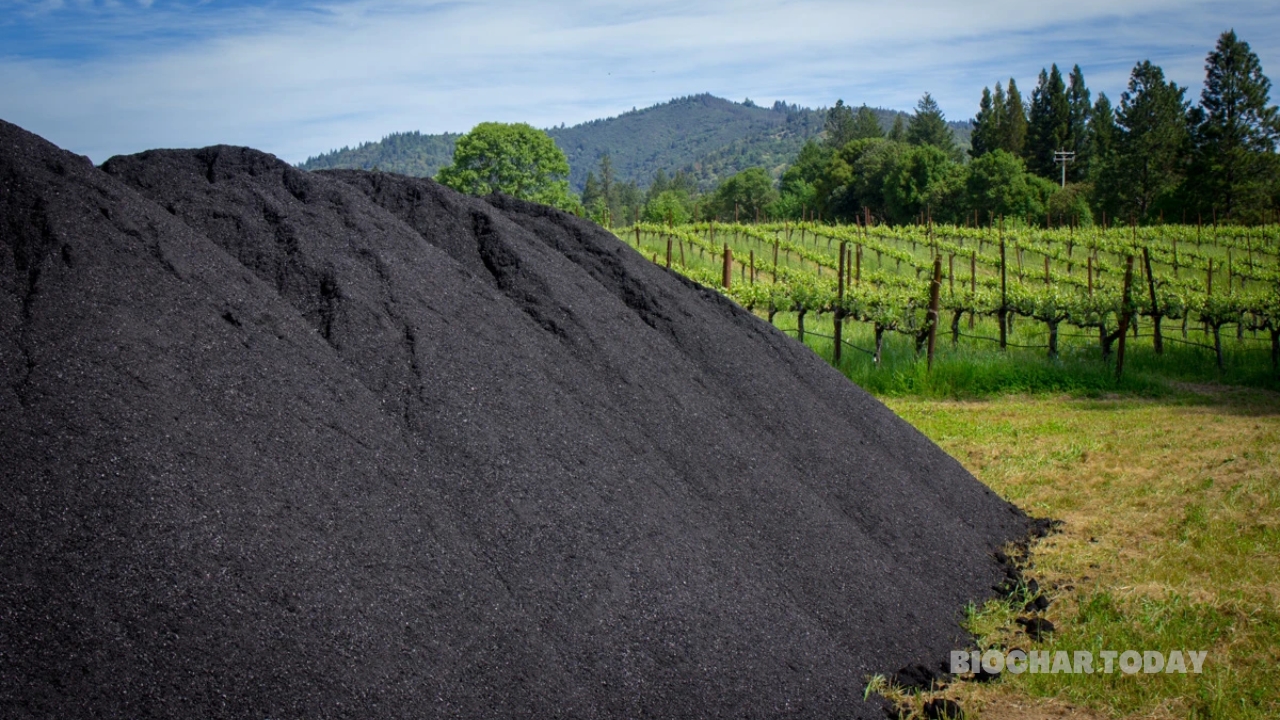
The field experiment, conducted in Iran, involved three irrigation cycles (10, 14, and 17 days) and biochar treatments (0, 5, and 10 tons per hectare). Results showed that the RGC-936 cultivar performed slightly better, producing higher seed yields and larger leaf areas. However, Saravan had more branches and heavier seeds. The 17-day irrigation cycle yielded the highest seed production, indicating that guar can thrive under reduced water conditions when combined with biochar. Biochar enhanced plant growth by improving soil nutrient uptake, leaf area, and water retention.
Interestingly, biochar had a more significant impact on plant morphology than the cultivar type itself, but both factors affected yield. This suggests that biochar can alleviate water stress, improving both physiological and growth traits under water-limited conditions. The study highlights the potential of biochar in arid agriculture to support drought-tolerant crops like guar, which are valuable for their industrial uses and ability to grow with minimal water.




Leave a Reply