

Dye pollution in water poses a major threat to ecosystems. Conventional treatment methods can be expensive or inefficient. This research explores a promising solution: using biochar to degrade dyes like Rhodamine B (RhB).
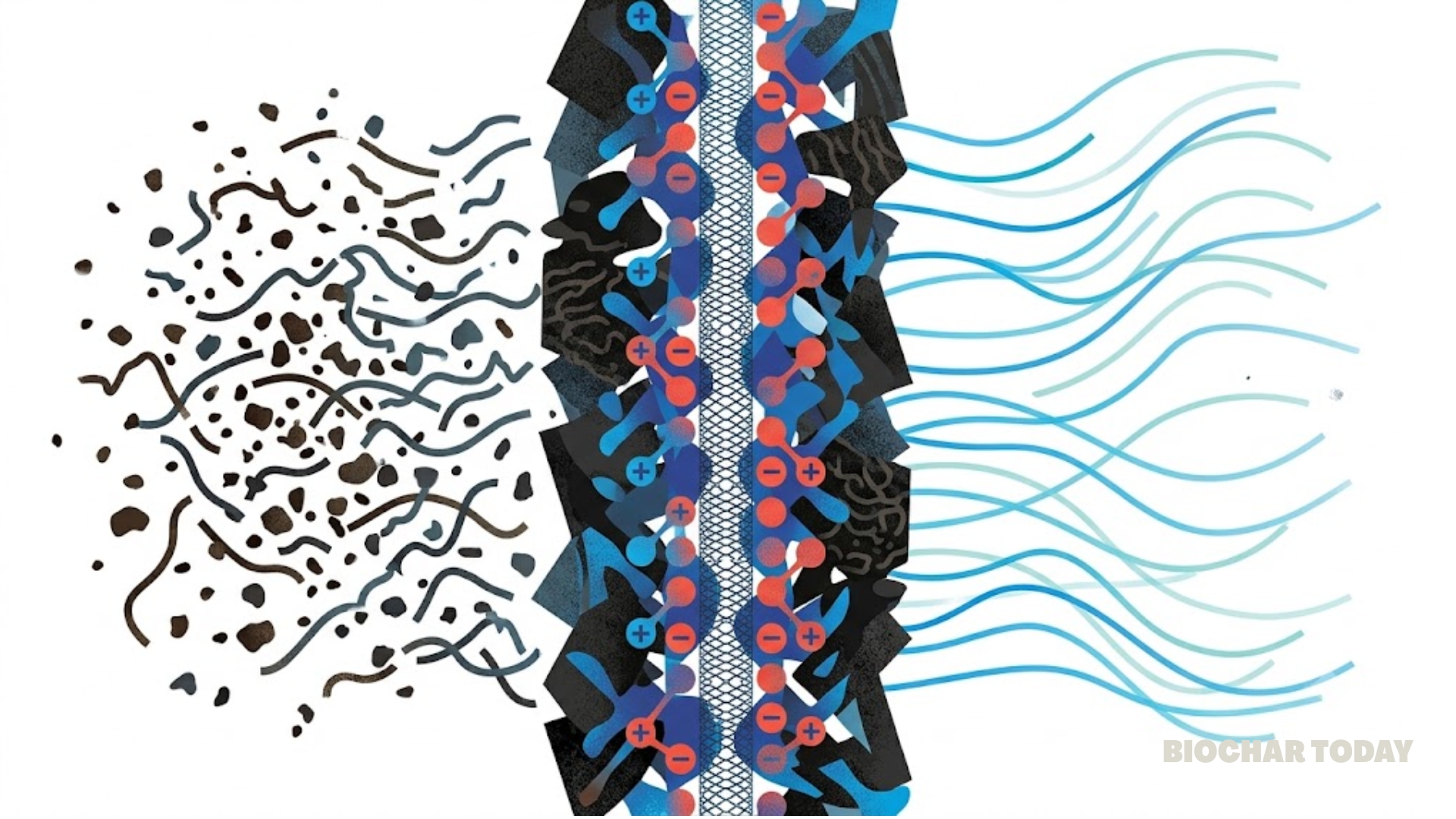
The key innovation lies in modifying the biochar with amino groups using a simple and eco-friendly process. These amino groups act like superchargers, significantly improving the biochar’s ability to break down RhB under visible light.
The process utilizes garlic peel and corn straw, readily available agricultural byproducts, as biochar sources. The amino-modified biochar then showcases remarkable performance, degrading RhB nearly 10 times faster than unmodified biochar, even at high concentrations.
This research offers several advantages:
- Sustainability: Repurposes food waste into a powerful cleaning agent.
- Efficiency: Significantly faster degradation compared to conventional methods.
- Eco-friendliness: Uses a simple and green modification process.
- Versatility: Applicable to various types of biochar and potential for other pollutants.
This advancement paves the way for a new era of sustainable wastewater treatment using readily available resources. Imagine turning kitchen scraps into water purifiers – a future where eco-friendly solutions become the norm.




Leave a Reply