
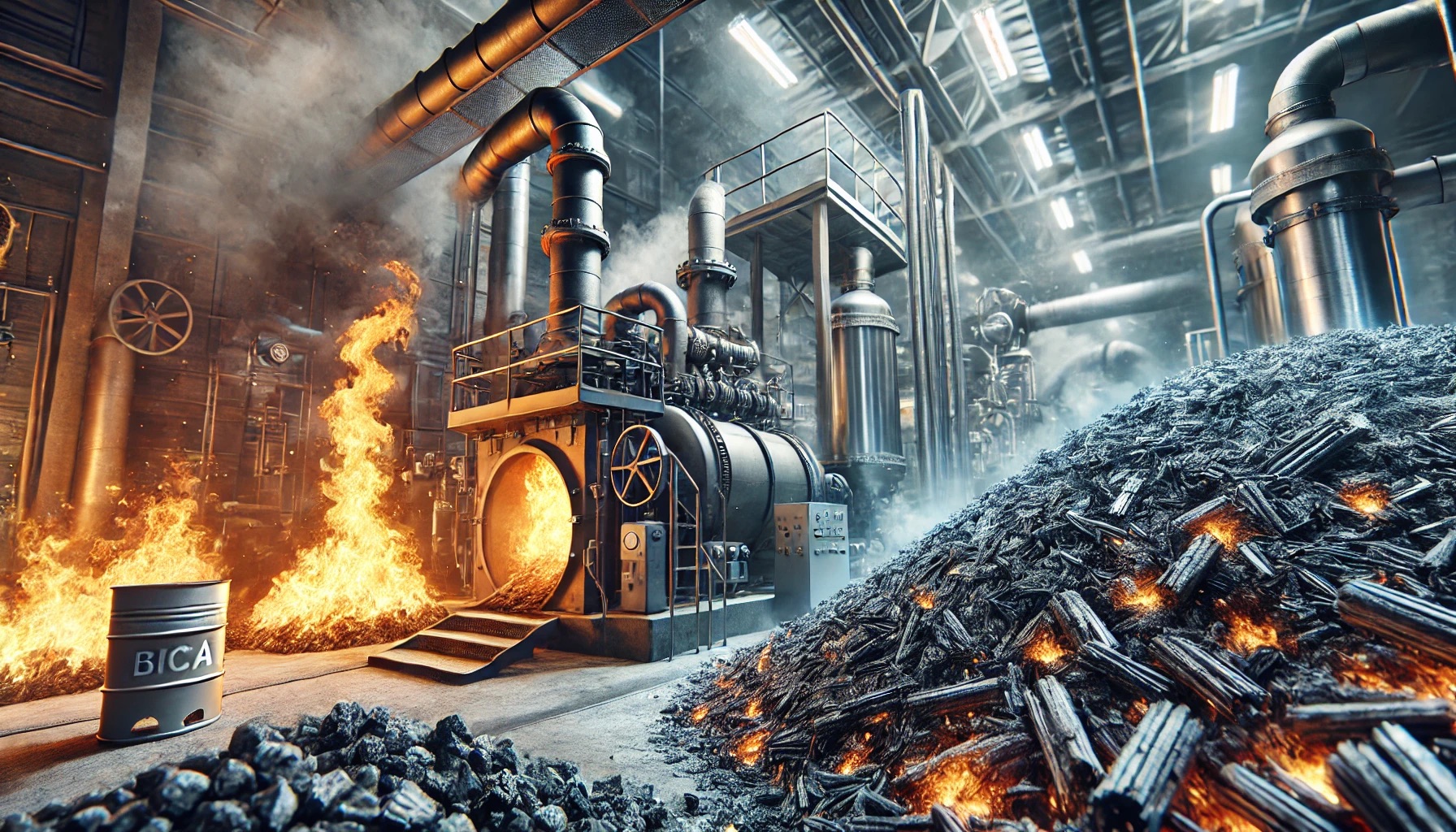
Zhu, et al (2024) Combustion and co-combustion of biocharBiochar is a carbon-rich material created from biomass decomposition in low-oxygen conditions. It has important applications in environmental remediation, soil improvement, agriculture, carbon sequestration, energy storage, and sustainable materials, promoting efficiency and reducing waste in various contexts while addressing climate change challenges. More: Combustion performance and pollutant emissions. Applied Energy. https://doi.org/10.1016/j.apenergy.2024.124292
Biochar, produced via thermochemical conversion of biomassBiomass is a complex biological organic or non-organic solid product derived from living or recently living organism and available naturally. Various types of wastes such as animal manure, waste paper, sludge and many industrial wastes are also treated as biomass because like natural biomass these More, is gaining attention as an alternative to traditional fossil fuels. The paper in Applied Energy (Volume 376, 2024) explores biochar’s combustion characteristics, pollutant emissions, and its potential as a co-firing fuel with coal and other materials.
Biomass, while renewable and cleaner than fossil fuels, presents challenges like high moisture content, low calorific value, and poor grindability. Thermochemical treatments convert biomass into biochar, improving its properties for industrial combustion. Biochar shows better stability, grindability, and energy density compared to raw biomass, enhancing its suitability as a solid fuel.
This study reviews the combustion behavior of biochar, both in isolation and when co-fired with other fuels like coal, petroleum coke, and sludge. It examines factors influencing combustion performance and kinetics, along with pollutant emissions, including CO, NOx, SOx, HCl, particulate matter, and ash-related issues. The paper highlights the emission reduction potential of biochar and introduces a new fuel type, “bioslurry,” made from biochar.
Furthermore, the paper evaluates the techno-economic feasibility of industrial-scale biochar production and its environmental benefits. While biochar exhibits promising combustion characteristics and lower emissions compared to coal, the paper stresses that further research is needed to optimize its use and scale up production effectively. The findings contribute to the growing body of knowledge supporting biochar as a potential sustainable energy solution.



Leave a Reply