
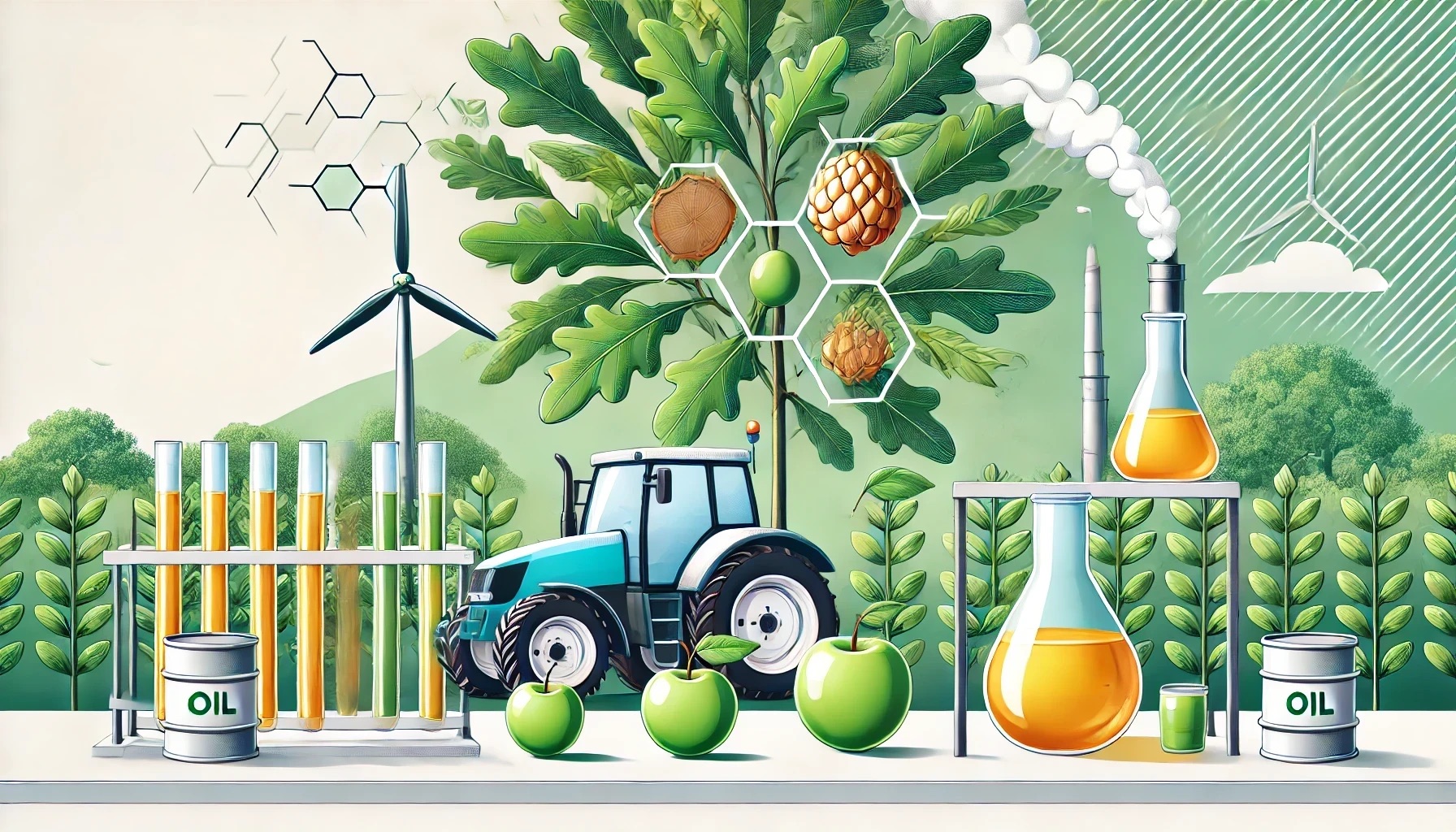

Researchers have developed an innovative biochar-based nanocatalyst derived from oak leaves to enhance biodiesel production and reduce tractor engine emissions. The biochar/Fe₃O₄-CuO nanocatalyst demonstrates high efficiency, sustainability, and reusability, marking a significant step forward in renewable energy technologies.
Using Annona reticulata (custard apple) oil as a feedstockFeedstock refers to the raw organic material used to produce biochar. This can include a wide range of materials, such as wood chips, agricultural residues, and animal manure. More, the study employed ultrasonic-assisted transesterification to convert the oil into biodiesel. The nanocatalyst’s high surface area and magnetic properties allowed for a rapid biodiesel yield of 96.8% in just 30 minutes under optimized conditions. Remarkably, the catalyst retained over 90% efficiency even after seven reuse cycles, highlighting its cost-effectiveness and durability.
Beyond biodiesel production, the research explored the environmental benefits of biodiesel-diesel blends (10%, 20%, and 30%) in tractor engines. The blends significantly reduced harmful emissions, such as carbon monoxide and unburnt hydrocarbons, making them an eco-friendly alternative to traditional fuels.
This study underscores the dual advantages of nanocatalysts: efficient biodiesel production and environmental protection. By leveraging agricultural byproducts like oak leaves, the process aligns with sustainability goals and reduces reliance on fossil fuels. Future work may further optimize biodiesel production and assess broader applications in emissions reduction.
The findings highlight how innovative catalysts and renewable feedstocks can advance clean energy solutions while addressing pressing environmental challenges. This breakthrough represents a promising avenue for sustainable energy and green technology.





Leave a Reply