
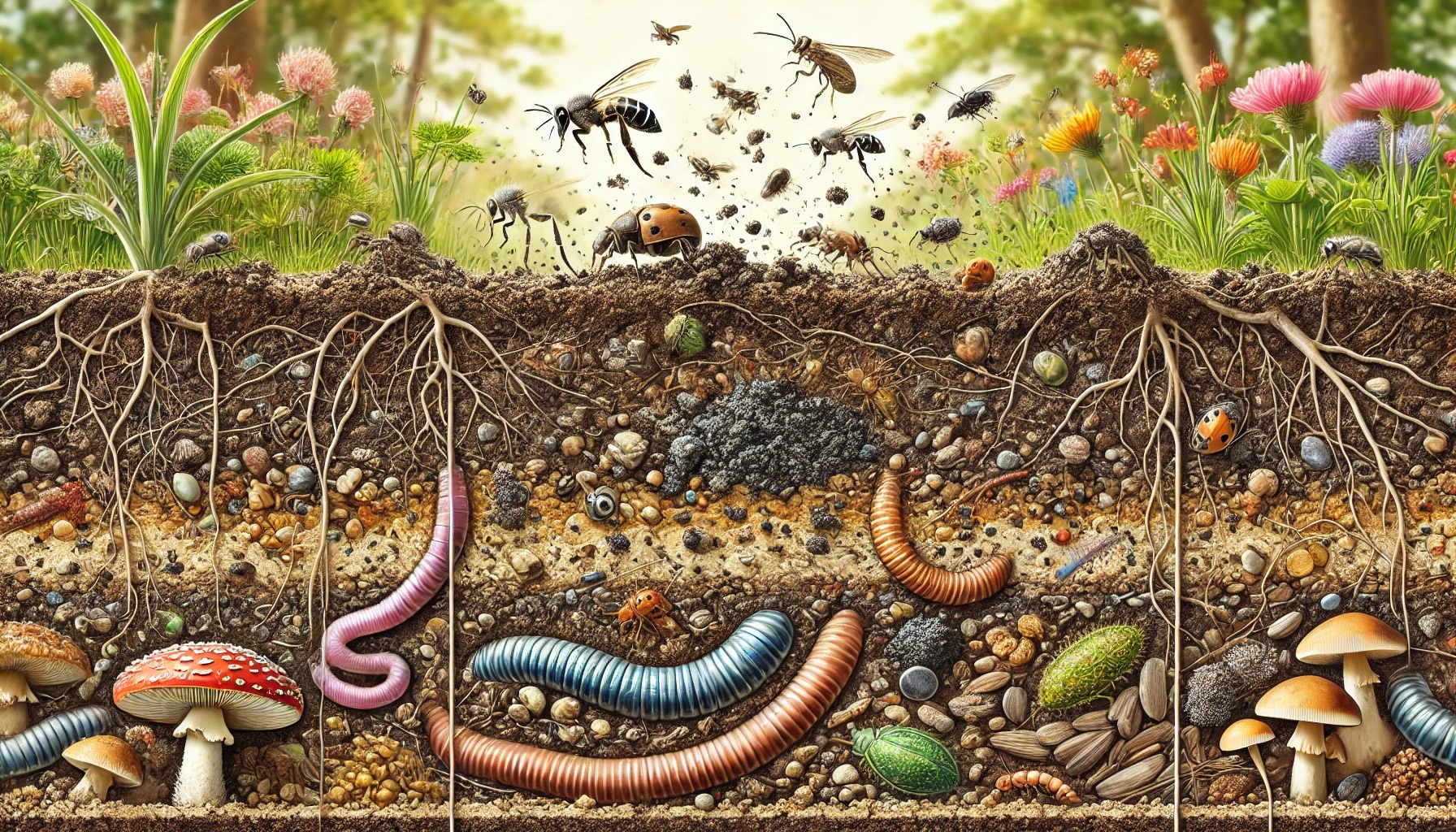

A recent study published in the Journal of Hazardous Materials delves into how biochar affects soil fauna, focusing on their functional traits and community diversity. Biochar, widely used for soil enhancement and carbon sequestration, poses varying impacts depending on its properties and the exposure conditions. The research highlighted that excessive malondialdehyde (MDA) from biochar exposure reduced soil fauna survival rates, while also causing significant DNA damage and lowering reproduction and growth rates.
Interestingly, the study found that biochar increased species richness due to the soil fauna’s avoidance behavior, which reduced ingestion. However, this effect varied greatly among different types of soil fauna. Herbivores were particularly susceptible, showing the highest decline in survival rates, while macrofauna were most sensitive overall.
The study underscored that the impact of biochar is influenced by its type, size, concentration, and exposure duration. Smaller biochar particles caused more damage than larger ones, and higher concentrations led to more severe effects. To mitigate these adverse effects, the researchers recommend using larger biochar particles in low to medium concentrations.
This meta-analysis provides valuable insights into the risks biochar poses to soil health, emphasizing the need for careful consideration of its application to avoid detrimental impacts on soil fauna.



Leave a Reply