


Researchers have discovered that biochar derived from the residue of biogas fermentation has enhanced properties for absorbing methylene blue, a common pollutant found in wastewater. The study, published in Colloids and Surfaces A: Physicochemical and Engineering Aspects, explores how fermentation time and pyrolysisPyrolysis is a thermochemical process that converts waste biomass into bio-char, bio-oil, and pyro-gas. It offers significant advantages in waste valorization, turning low-value materials into economically valuable resources. Its versatility allows for tailored products based on operational conditions, presenting itself as a cost-effective and efficient More temperature affect the biochar’s structure and performance.
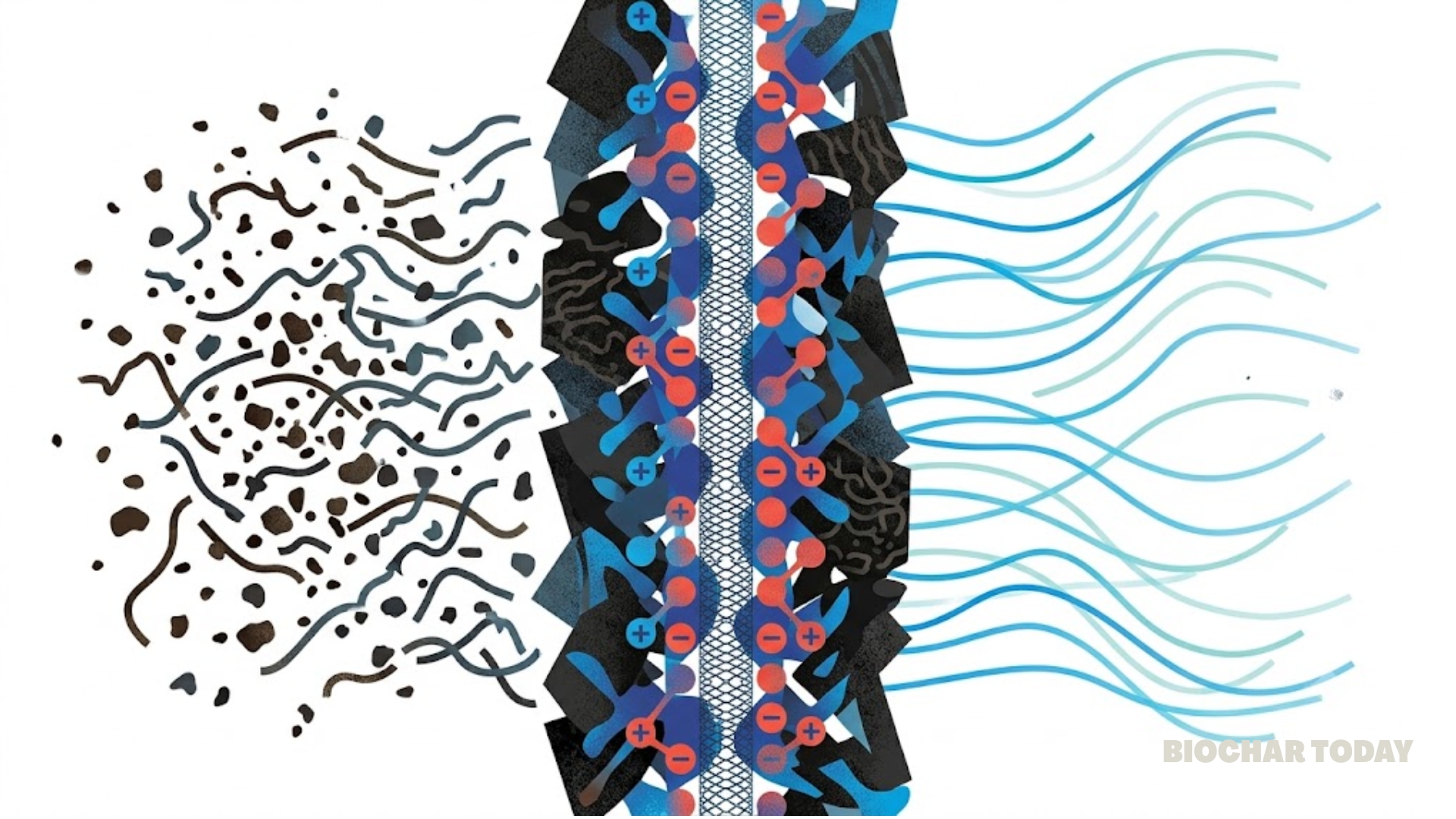
The team produced biochar from corn stover after biogas fermentation and tested its ability to remove methylene blue from water. Their results show that biochar made from fermented residues had a higher yield, larger surface area, and more active sites than traditional corn stover biochar. Specifically, fermentation increased mesoporous surface area, which is crucial for improving adsorption efficiency.
The biochar’s methylene blue absorption increased significantly at higher pHpH is a measure of how acidic or alkaline a substance is. A pH of 7 is neutral, while lower pH values indicate acidity and higher values indicate alkalinity. Biochars are normally alkaline and can influence soil pH, often increasing it, which can be beneficial More levels, and the maximum removal rate reached 98.64%. However, the researchers found that as the pyrolysis temperature increased from 400°C to 600°C, the biochar’s absorption capacity decreased.
This study highlights the potential of biogas fermentation as a pretreatment step to enhance biochar properties, making it more effective for environmental applications like water purification. By using fermentation residues, this method also adds value to bio-waste, contributing to more sustainable biogas and biochar production.




Leave a Reply