

Aziz (2024) Removal of Toxic Heavy Metals From Aquatic Systems Using Low-cost and Sustainable BiocharBiochar is a carbon-rich material created from biomass decomposition in low-oxygen conditions. It has important applications in environmental remediation, soil improvement, agriculture, carbon sequestration, energy storage, and sustainable materials, promoting efficiency and reducing waste in various contexts while addressing climate change challenges. More: A Review. Desalination and Water Treatment. https://doi.org/10.1016/j.dwt.2024.100757
Biochar, a carbon-rich, porous material, has gained attention as a low-cost and effective method for removing toxic heavy metals from aquatic systems. Produced through the pyrolysisPyrolysis is a thermochemical process that converts waste biomass into bio-char, bio-oil, and pyro-gas. It offers significant advantages in waste valorization, turning low-value materials into economically valuable resources. Its versatility allows for tailored products based on operational conditions, presenting itself as a cost-effective and efficient More of organic wastes like agricultural residues, biochar offers a sustainable solution to the rising global issue of water pollution caused by heavy metals. Industrial waste, agricultural runoff, and urban discharge introduce metals like lead, arsenic, and mercury into water sources, posing severe environmental and health risks.
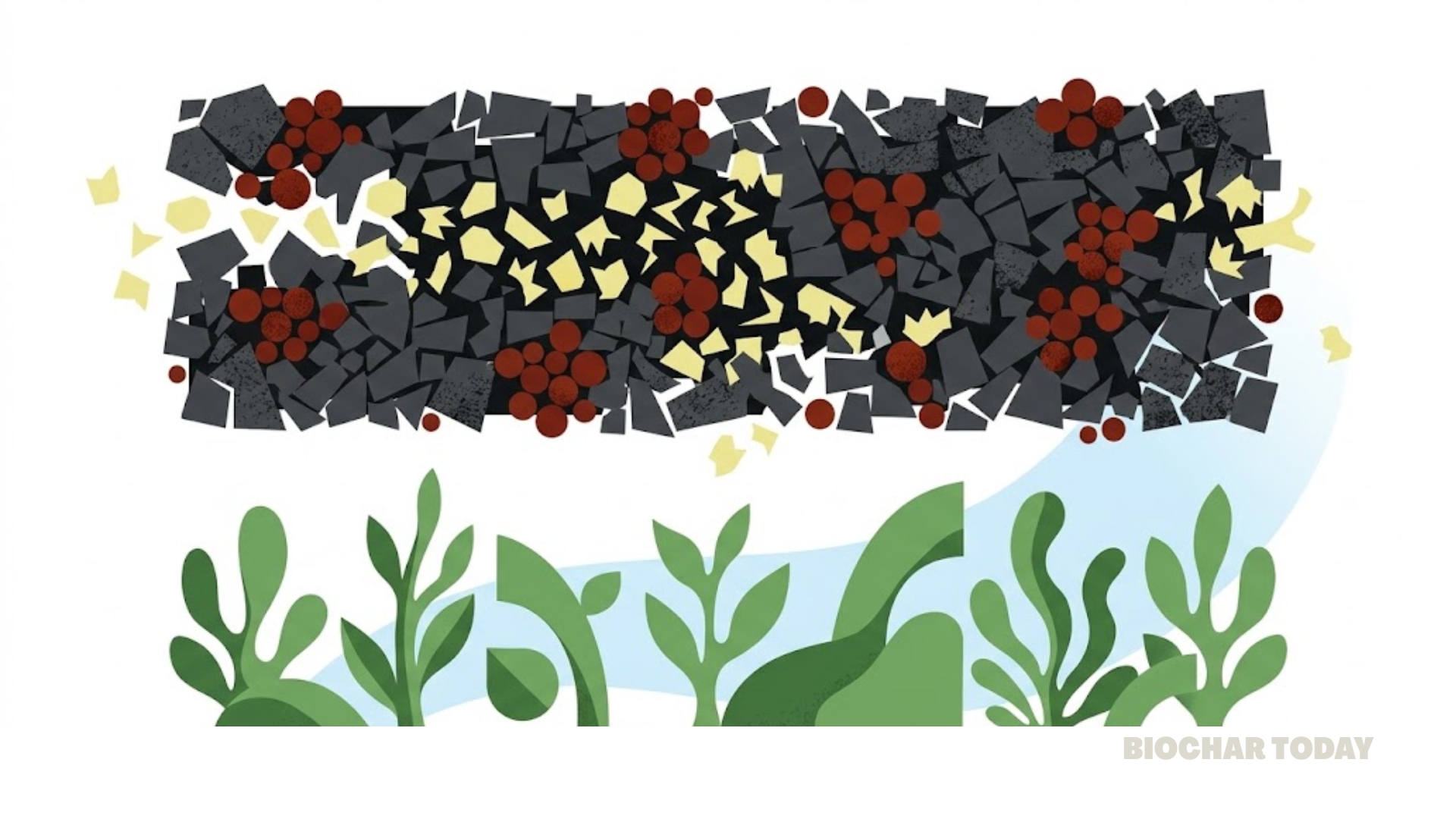
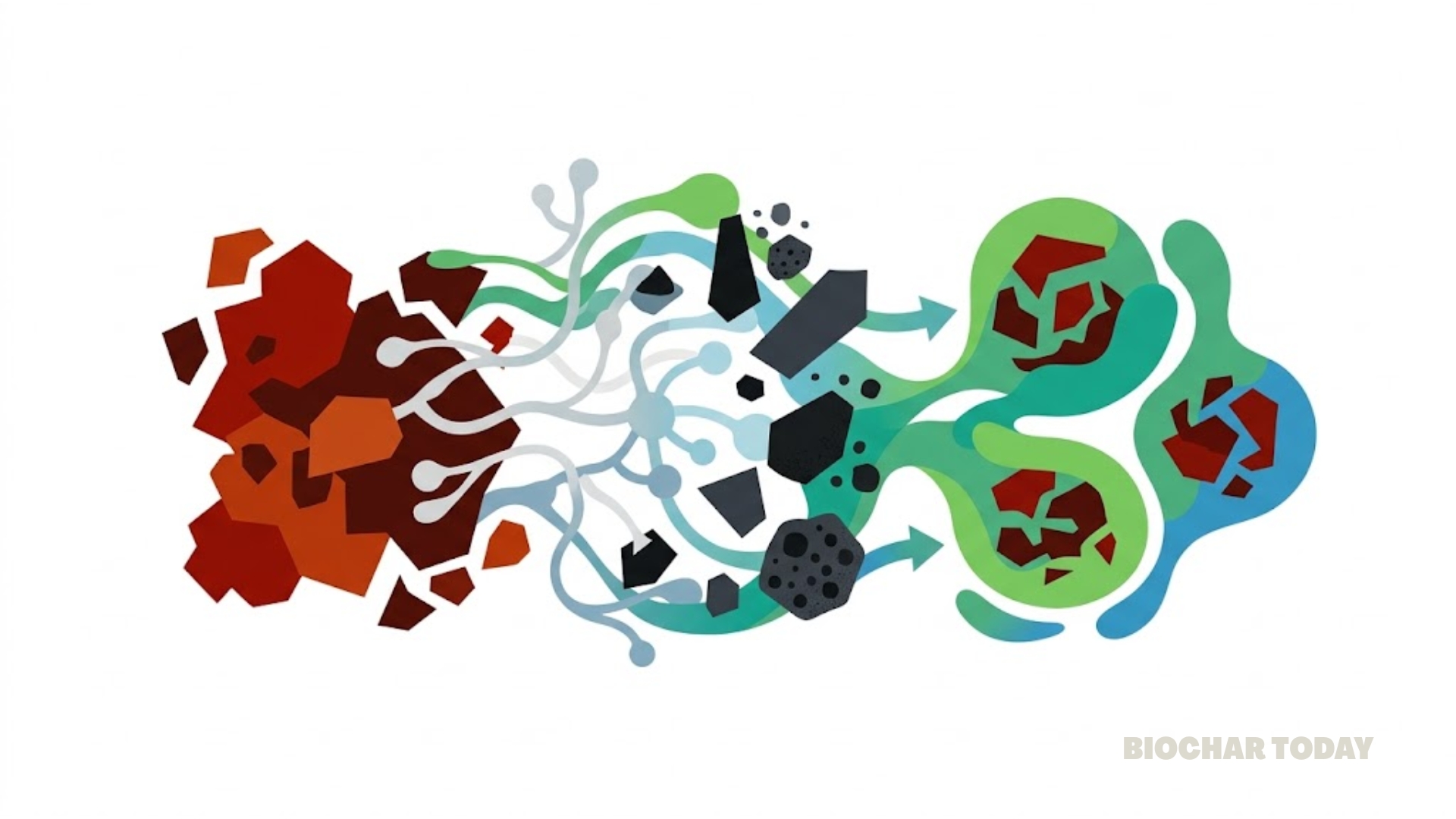
The structure of biochar, including its surface area, porosityPorosity of biochar is a key factor in its effectiveness as a soil amendment and its ability to retain water and nutrients. Biochar’s porosity is influenced by feedstock type and pyrolysis temperature, and it plays a crucial role in microbial activity and overall soil health. Biochar More, and the presence of functional groups, makes it an ideal adsorbent. Heavy metals attach to the biochar surface through various mechanisms, such as ion exchange, precipitation, and electrostatic interactions. Different modification techniques, such as chemical or physical treatments, enhance biochar’s adsorption capacity by increasing surface area and optimizing functional groups.
Biochar’s affordability, coupled with its potential for large-scale wastewater treatment, makes it a promising alternative to more expensive technologies. However, challenges remain, particularly in scaling up production and improving biochar’s reusability. Future research is essential to refine biochar’s performance, focusing on regeneration techniques and optimizing its ability to remove a mix of contaminants from complex water systems.
Ultimately, biochar offers an eco-friendly, efficient, and sustainable solution to mitigate the impacts of heavy metal pollution, but further advancements are needed for its widespread application.


Leave a Reply