
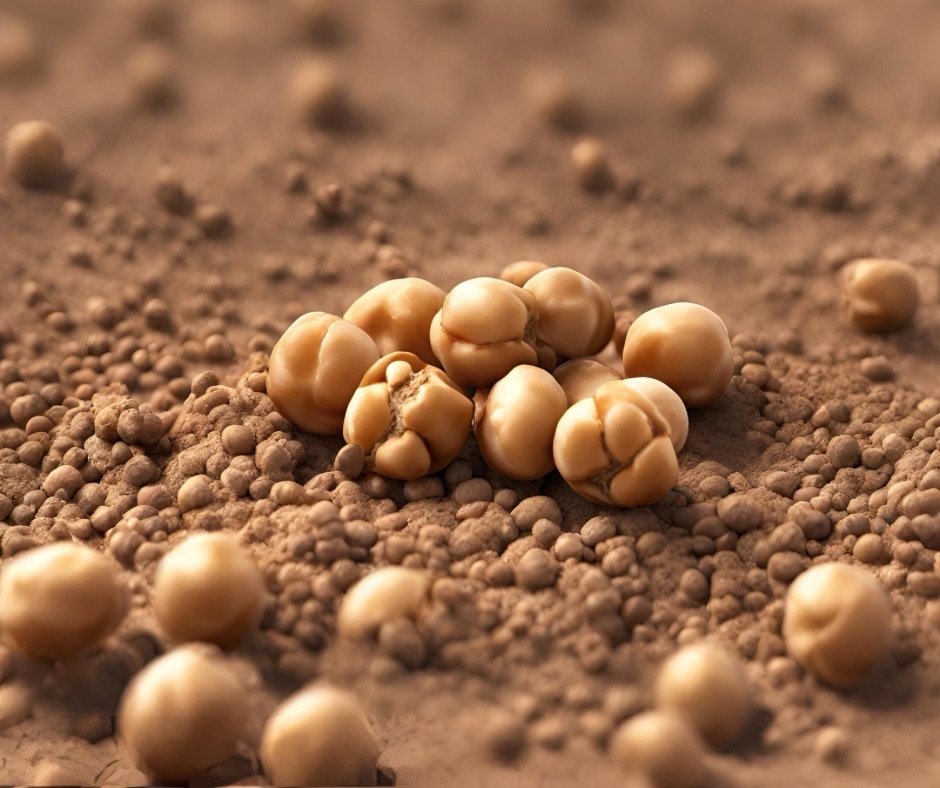

Drought is a major threat to global agriculture, particularly in rainfed systems. Chickpeas, a vital legume crop, are highly susceptible to drought stress, impacting their growth, yield, and nutritional quality. Traditional breeding methods for drought tolerance are effective but time-consuming. This study explores a more immediate and eco-friendly solution: combining biochar with plant-beneficial bacteria.
Biochar and Friendly Bacteria to the Rescue
Biochar, a carbon-rich material produced from organic waste, improves soil fertility, water retention, and nutrient availability. Plant-beneficial rhizobacteria, like Paenibacillus lentimorbus B-30488 (B-30488), colonize the plant root zone and promote growth through various mechanisms like nutrient solubilization and stress response molecule synthesis.
Synergy for Success
This study investigated the combined effects of maize-derived biochar and B-30488 on chickpea growth under drought stress. The results were remarkable:
- Improved soil properties: Biochar and B-30488 enhanced soil structure,enzyme activity, and microbial diversity.
- Enhanced plant growth: Chickpeas treated with the combination showed increased shoot and root biomassBiomass is a complex biological organic or non-organic solid product derived from living or recently living organism and available naturally. Various types of wastes such as animal manure, waste paper, sludge and many industrial wastes are also treated as biomass because like natural biomass these More,improved physiological status, and better root architecture.
- Stress tolerance boost: Phytohormone and gene expression analyses revealed the combined treatment’s role in regulating cellular homeostasis and mitigating drought stress.
A Sustainable Path Forward
This study highlights the immense potential of combining biochar and B-30488 as a sustainable strategy for improving chickpea resilience to drought stress. This eco-friendly approach offers a promising solution for enhancing agricultural productivity and adapting to climate change in rainfed regions.
Further Research
Future research should explore the optimal combinations of biochar and specific PGPR strains for different crops and climates. Additionally, field trials are crucial for translating these findings into practical applications for farmers facing drought challenges.
By harnessing the power of biochar and friendly bacteria, we can pave the way for a more resilient and sustainable future for chickpea cultivation and food security in the face of increasing drought pressure.




Leave a Reply