
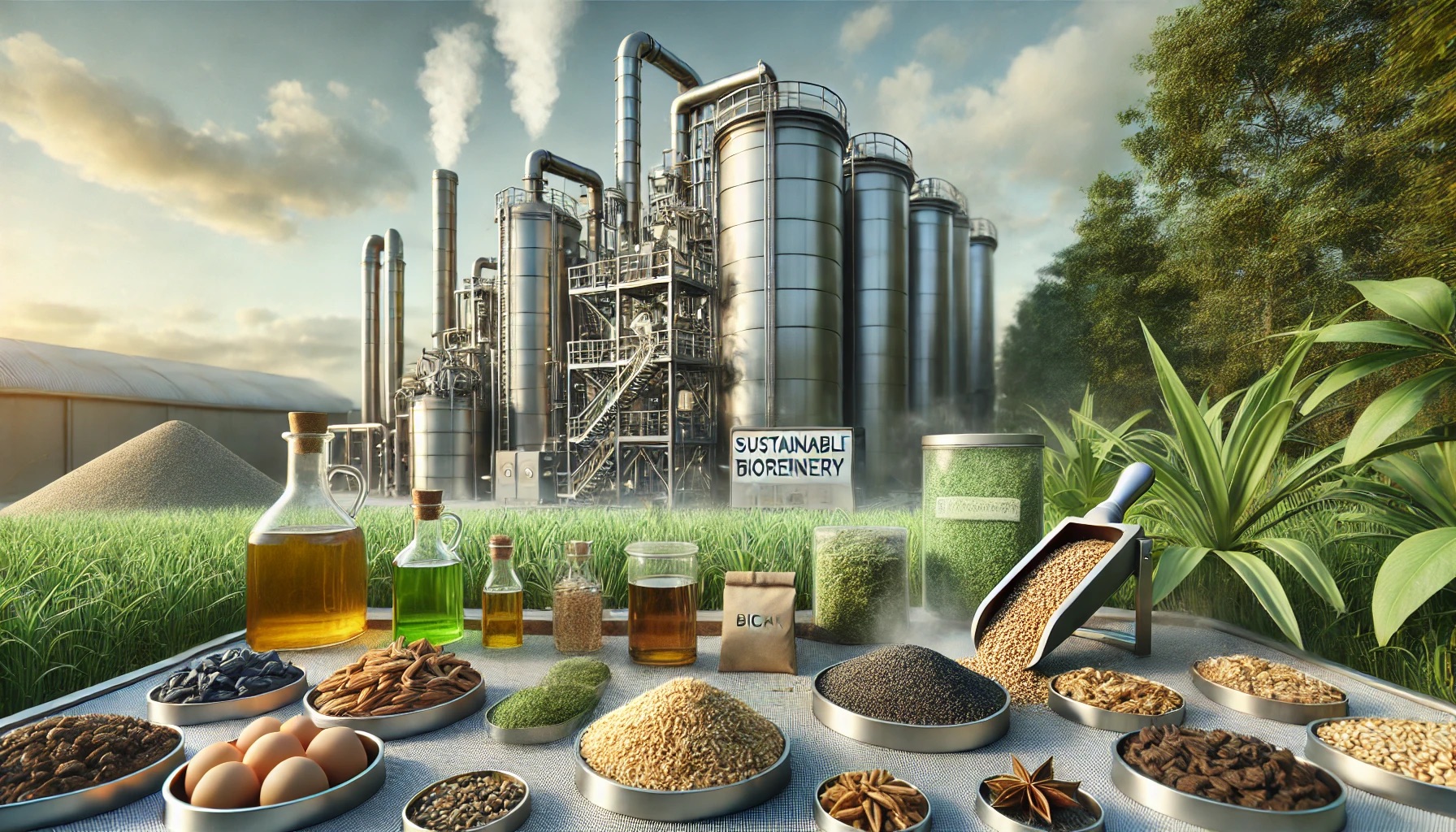

A new study explores the potential of Madhuca indica (M. indica) seeds in a biorefinery setup to produce biodiesel, bio-oil, and biochar. The researchers utilized pyrolysisPyrolysis is a thermochemical process that converts waste biomass into bio-char, bio-oil, and pyro-gas. It offers significant advantages in waste valorization, turning low-value materials into economically valuable resources. Its versatility allows for tailored products based on operational conditions, presenting itself as a cost-effective and efficient More on de-oiled cake to generate biochar and bio-oil, while immobilizing enzymes on the biochar to facilitate biodiesel production through transesterification. This process achieved a fatty acid methyl ester (FAME) conversion of 93.4%, highlighting its efficiency.
Techno-economic analysis showed that the biorefinery process is cost-effective, with a payback period of 3.1 years, suggesting it is both viable and profitable. Environmental performance was also evaluated by comparing emissions of a 20% biodiesel blend (MB20) with conventional diesel. The biodiesel blend resulted in significant reductions in carbon monoxide (21.2%), hydrocarbons (18.02%), and nitrogen oxides (4.33%).
The study emphasizes the dual role of M. indica biochar as a matrix for enzyme immobilization and a value-added byproduct, enhancing its sustainability profile. This integrated biorefinery approach supports a circular bioeconomy by converting biomassBiomass is a complex biological organic or non-organic solid product derived from living or recently living organism and available naturally. Various types of wastes such as animal manure, waste paper, sludge and many industrial wastes are also treated as biomass because like natural biomass these More into multiple bio-based products while minimizing waste. The study also demonstrates that M. indica seeds, as a non-edible feedstockFeedstock refers to the raw organic material used to produce biochar. This can include a wide range of materials, such as wood chips, agricultural residues, and animal manure. More, present a promising resource for biodiesel production, reducing reliance on fossil fuels and contributing to carbon neutrality. The findings reinforce the potential of lignocellulosic biomass in addressing global energy demands sustainably.


![Eucalyptus Wood Waste-Derived Biochar Achieves a Ninety-Eight Percent Removal Efficiency for Benzo[ghi]perylene in Vehicle-Wash Wastewater](https://biochartoday.com/wp-content/uploads/2026/10/SCIENCE-BLOGS-2026-2026-10-19T160523.703.jpg)


Leave a Reply