
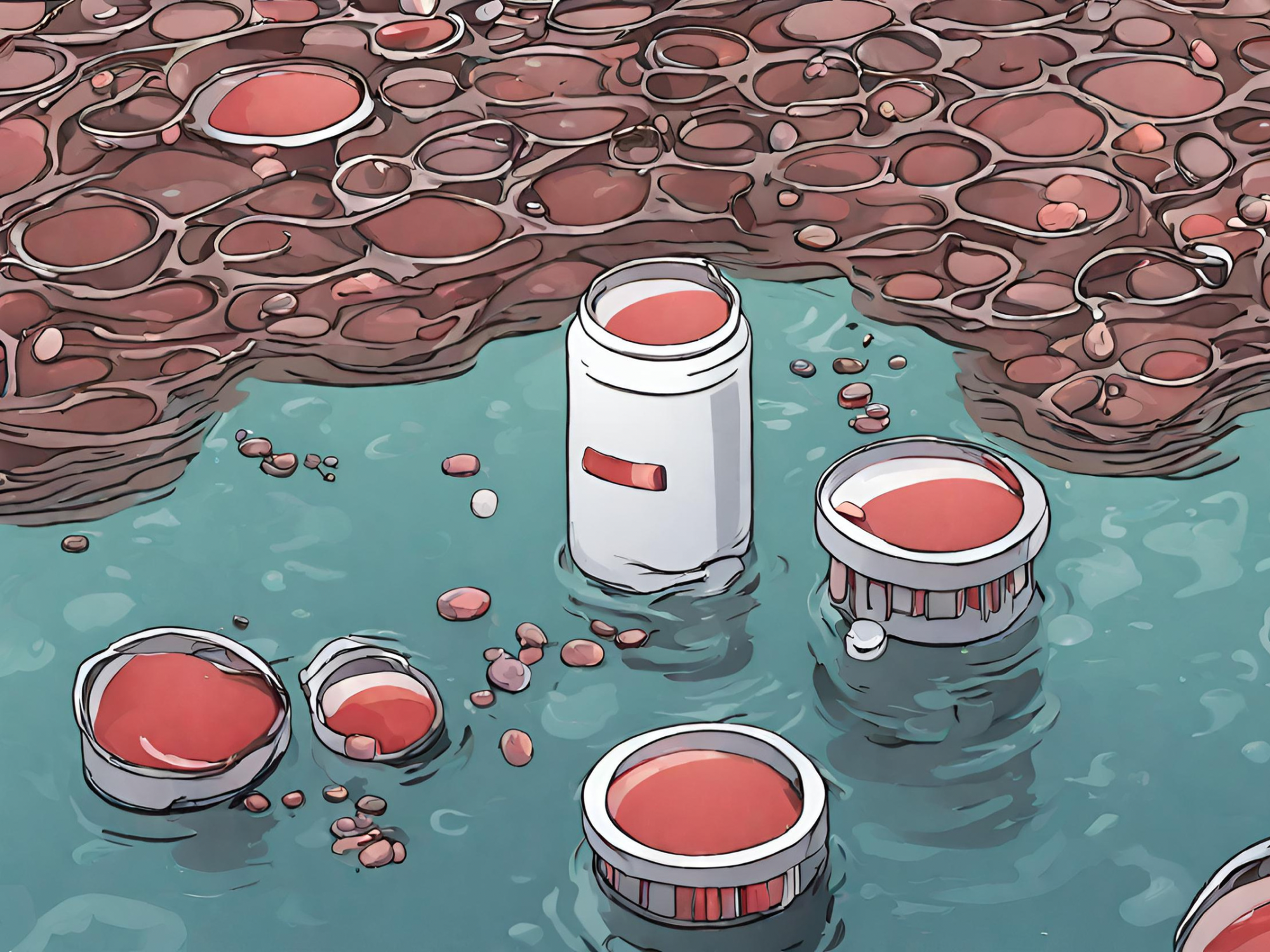

In the pursuit of tackling the persistent challenge of antibiotic residue in aquatic ecosystems, researchers have developed a groundbreaking solution: a biochar decorated Bi4O5Br2/g-C3N4 S-scheme heterojunction. This innovative approach showcases remarkable efficacy in degrading Norfloxacin (NOR), a common antibiotic pollutant.
The study demonstrates that the 5%-Bi4O5Br2/g-C3N4/C heterojunction achieves an impressive 92.5% NOR degradation within 72 minutes under visible light irradiation. Systematic investigations into factors such as pHpH is a measure of how acidic or alkaline a substance is. A pH of 7 is neutral, while lower pH values indicate acidity and higher values indicate alkalinity. Biochars are normally alkaline and can influence soil pH, often increasing it, which can be beneficial More, dosage, and NOR concentration further underscore the heterojunction’s exceptional photocatalytic activity. Mechanism studies reveal the predominant role of active species, including holes, hydroxyl radicals, and superoxide radicals, in NOR degradation. The enhanced removal rate is attributed to the synergistic effects of adsorption and photocatalytic processes.
A pivotal aspect of this research is the proposal of an S-scheme transfer channel within the heterojunction interface. This channel significantly improves the separation of photogenerated carriers, thereby amplifying photocatalytic performance. The heterojunction’s construction represents a paradigm shift in wastewater treatment methodologies, offering a promising alternative to conventional approaches plagued by low efficiency and secondary pollution.
In the realm of photocatalysis, g-C3N4 emerges as a frontrunner due to its favorable properties such as suitable bandgap and visible light responsiveness. However, its industrial application is hampered by rapid charge recombination and narrow light response. To address these challenges, the incorporation of biochar as a carrier proves instrumental, enhancing adsorption and catalytic activity while inhibiting charge recombination.
Moreover, the utilization of Bi4O5Br2 in constructing the S-scheme heterojunction holds immense potential. Its high valence band potential and unique layered structure complement g-C3N4, culminating in a heterojunction with superior charge transfer and redox capacity. Through meticulous experimentation and analysis, the study provides invaluable insights into the physicochemical properties and degradation mechanism of NOR.
In conclusion, the development of the biochar decorated Bi4O5Br2/g-C3N4/C heterojunction marks a significant advancement in photocatalytic wastewater treatment. This research not only addresses the pressing issue of antibiotic pollution but also paves the way for future innovations in environmental remediation strategies.



Leave a Reply