
Safeer, Liu, et al (2024) Insights into the biogeochemical transformation, environmental impacts and biochar-based soil decontamination of antimony. Environmental Research. https://doi.org/10.1016/j.envres.2024.118645
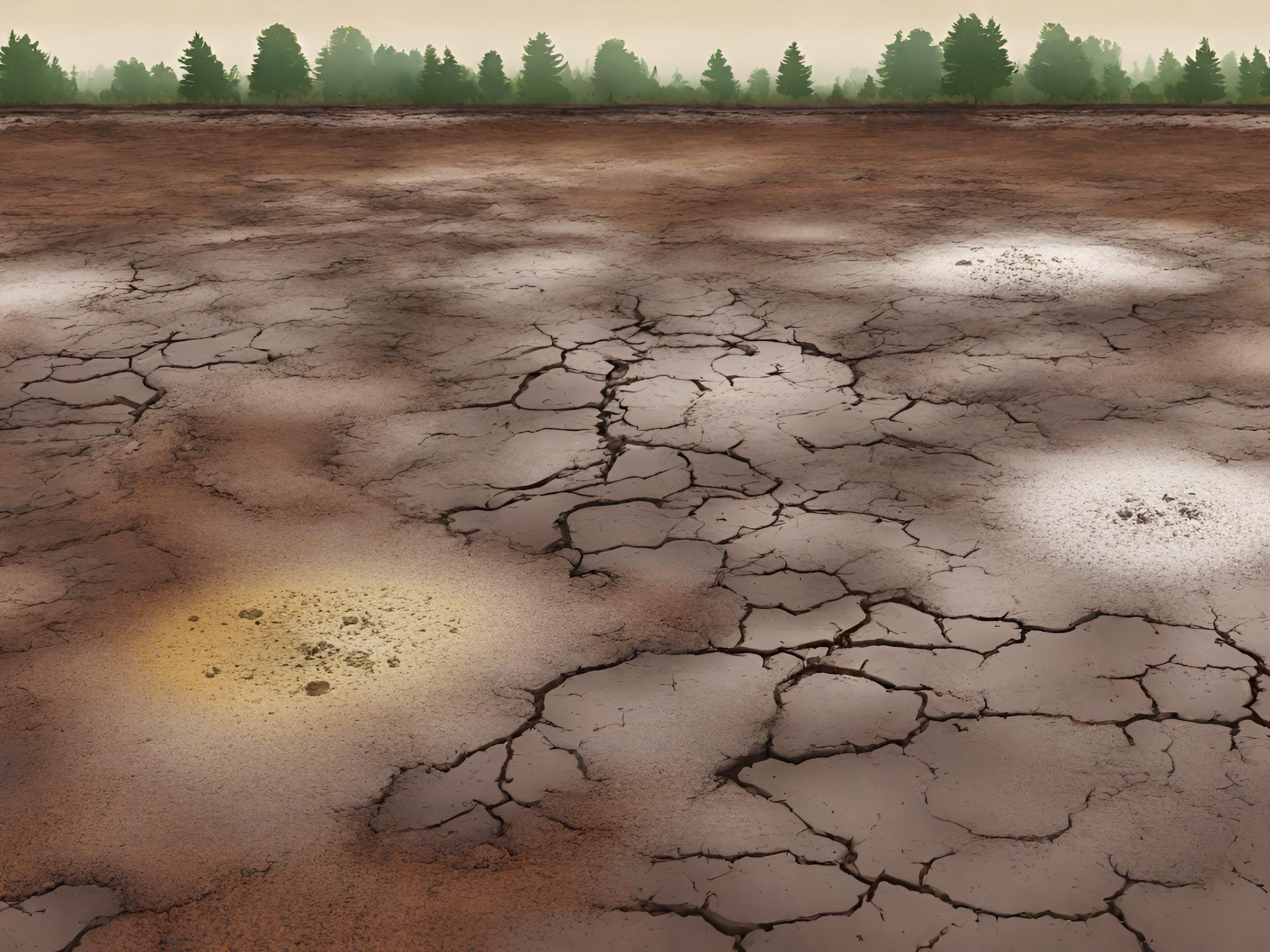
Antimony (Sb), a non-essential trace element, poses significant environmental and health risks due to its increased presence from various natural and anthropogenic sources. This review delves into the global occurrence of Sb, its distribution, speciation, and associated health hazards. It highlights the pressing need for effective remediation strategies to mitigate Sb’s adverse effects on ecosystems and human health.
With a focus on soil contamination, the review explores the role of advanced biocharBiochar is a carbon-rich material created from biomass decomposition in low-oxygen conditions. It has important applications in environmental remediation, soil improvement, agriculture, carbon sequestration, energy storage, and sustainable materials, promoting efficiency and reducing waste in various contexts while addressing climate change challenges. More composites in immobilizing Sb, thereby reducing its bioavailability and toxicity. Biochar emerges as a promising solution due to its cost-effectiveness, availability, and efficacy in remediating metals compared to other adsorbents. By modifying soil properties, biochar amendments effectively reduce Sb uptake by plants and mitigate potential hazards to human health and ecosystems.
While the literature on Sb distribution, toxicity, and removal methods is abundant, there is a notable gap concerning the impact of biochar on soil Sb remediation. This review aims to address this gap by comprehensively examining the effectiveness of various biochar composites in immobilizing Sb from soil. By synthesizing existing knowledge and highlighting research needs, the review contributes to the development of advanced, efficient, and environmentally friendly techniques for Sb remediation.
In conclusion, the review underscores the urgency of addressing Sb contamination through innovative remediation approaches. By harnessing the potential of biochar composites, researchers can pave the way for sustainable management of Sb-contaminated soil, thereby reducing environmental and health risks associated with this hazardous metalloid.



Leave a Reply