

Vuppaladadiyam, A.K., Jena, M.K., Hakeem, I.G. et al. A critical review of biocharBiochar is a carbon-rich material created from biomass decomposition in low-oxygen conditions. It has important applications in environmental remediation, soil improvement, agriculture, carbon sequestration, energy storage, and sustainable materials, promoting efficiency and reducing waste in various contexts while addressing climate change challenges. More versus hydrochar and their application for H2S removal from biogas. Rev Environ Sci Biotechnol(2024). https://doi.org/10.1007/s11157-024-09700-8
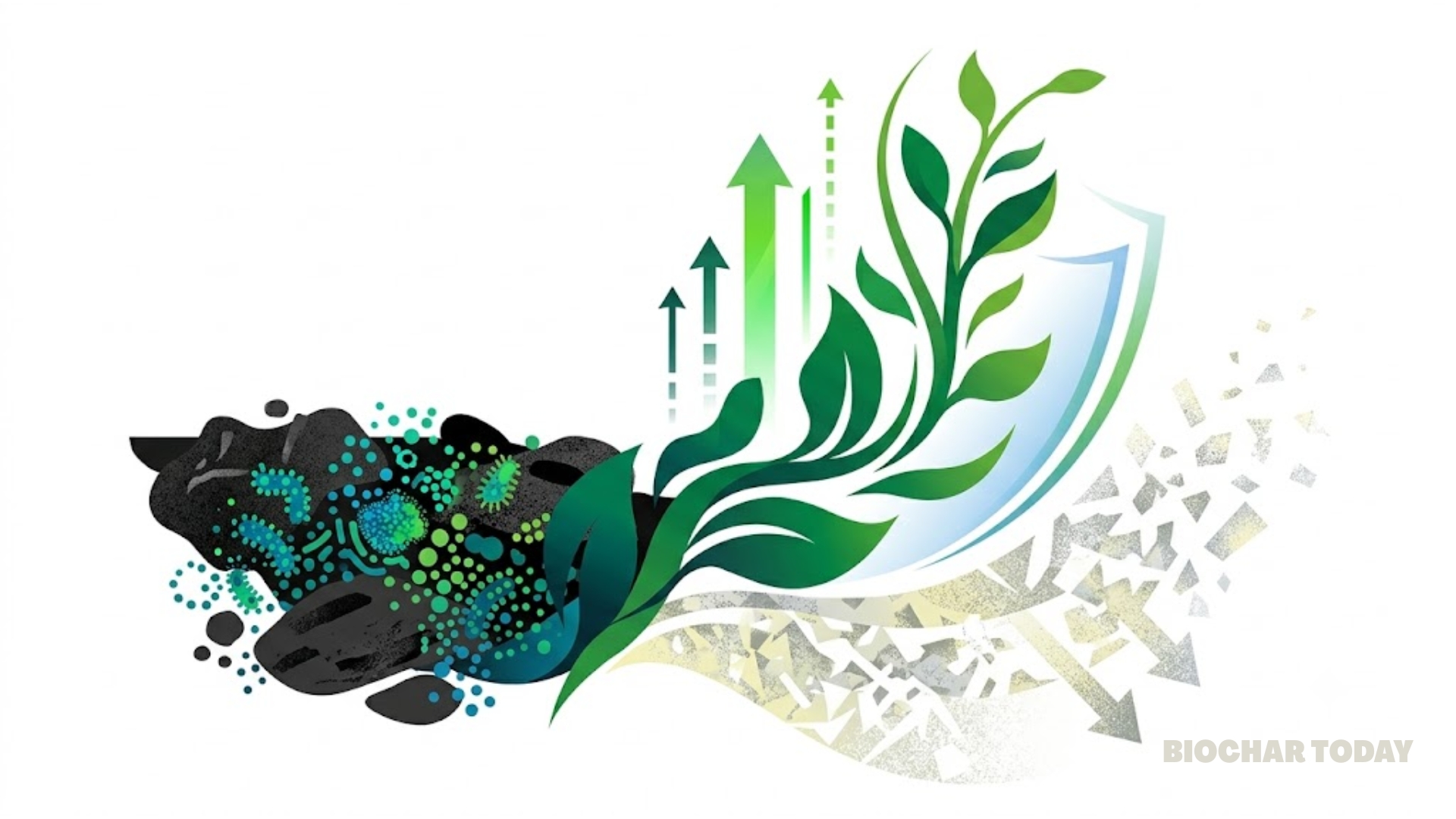
Biogas, produced primarily from the anaerobic digestion of organic waste, is a renewable energy source that can reduce reliance on fossil fuels. However, its utilization is hampered by the presence of hydrogen sulfide (H2S), a toxic compound that causes corrosion and operational issues in energy systems. This blog explores the use of biochar and hydrochar—carbon-rich materials produced from biomass—as low-cost alternatives for H2S removal from biogas.
Biochar, produced through pyrolysisPyrolysis is a thermochemical process that converts waste biomass into bio-char, bio-oil, and pyro-gas. It offers significant advantages in waste valorization, turning low-value materials into economically valuable resources. Its versatility allows for tailored products based on operational conditions, presenting itself as a cost-effective and efficient More at high temperatures, boasts a high surface area, porosityPorosity of biochar is a key factor in its effectiveness as a soil amendment and its ability to retain water and nutrients. Biochar’s porosity is influenced by feedstock type and pyrolysis temperature, and it plays a crucial role in microbial activity and overall soil health. Biochar More, and mineral content, which makes it effective in both physisorption and chemisorption processes. Hydrochar, produced through hydrothermal carbonization at lower temperatures, retains more surface functional groups, making it effective for chemisorption.
Current commercial H2S removal methods, such as wet scrubbing or chemical absorption, are often expensive, especially for smaller biogas plants. Biochar and hydrochar present a more sustainable solution due to their lower cost and the ability to be sourced from waste biomassBiomass is a complex biological organic or non-organic solid product derived from living or recently living organism and available naturally. Various types of wastes such as animal manure, waste paper, sludge and many industrial wastes are also treated as biomass because like natural biomass these More. However, challenges remain. Biochar’s performance can be inconsistent depending on the feedstockFeedstock refers to the raw organic material used to produce biochar. This can include a wide range of materials, such as wood chips, agricultural residues, and animal manure. More and production methods, while hydrochar requires further investigation into its adsorption mechanisms and efficiency.
The review highlights that both biochar and hydrochar hold potential as cost-effective adsorbents for H2S removal but require further research to optimize their commercial use. Advancements in this area could pave the way for greener biogas technologies and a more sustainable energy future.



Leave a Reply