
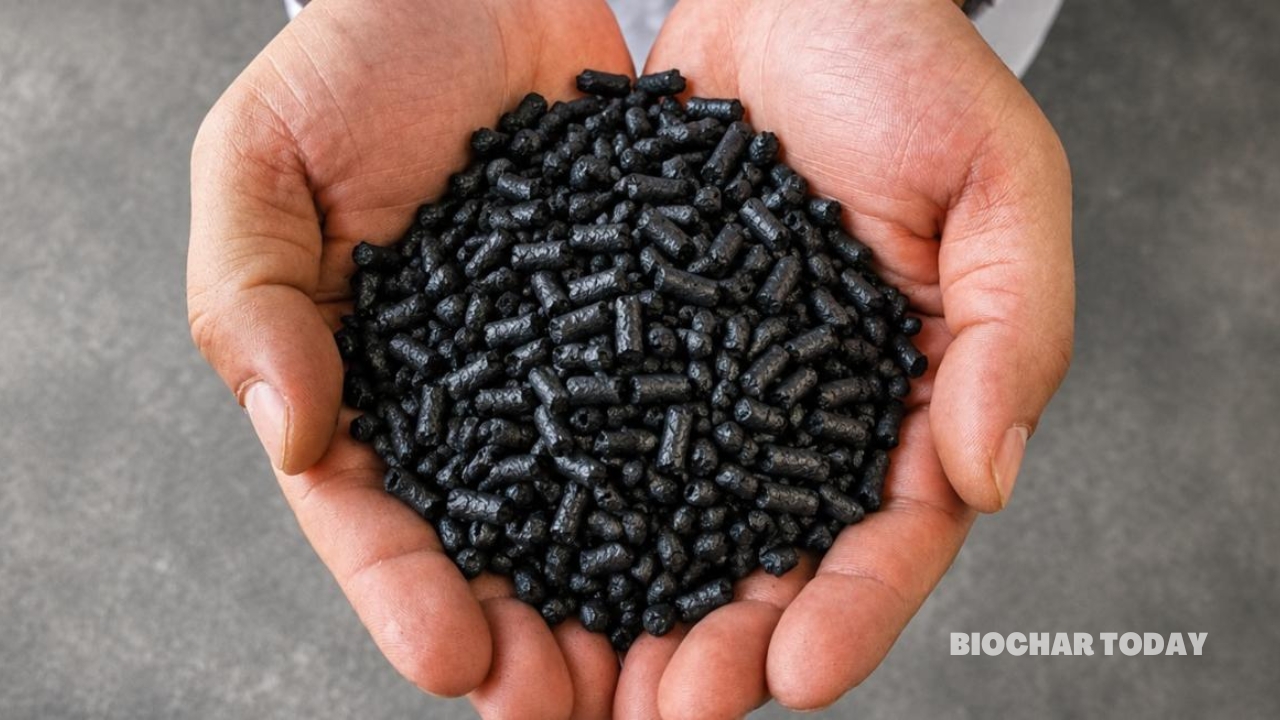
The Rural Municipality of Ritchot in Manitoba, Canada, has entered into a memorandum of understanding with Carbon Lock Tech, a local startup, to implement an organic waste conversion pilot project. This initiative involves the installation of a new generation of reactor technology on land adjacent to the Ritchot landfill. The project seeks to demonstrate the operational viability and economic potential of converting municipal biomassBiomass is a complex biological organic or non-organic solid product derived from living or recently living organism and available naturally. Various types of wastes such as animal manure, waste paper, sludge and many industrial wastes are also treated as biomass because like natural biomass these More into stable carbon pellets. By formalizing this partnership, the municipality is positioning itself to evaluate a transition from traditional waste disposal to a commercial-scale carbon removal operation.
The primary challenge addressed by this collaboration is the management of organic waste streams, which currently constitute approximately 40 percent of the material entering the Ritchot landfill. When organic matter such as wood, grass, and food waste is landfilled, it undergoes anaerobic decomposition, resulting in methane emissions, persistent odors, and the production of leachate that threatens groundwater quality. For the municipality, these materials represent a significant environmental liability and a continuous management cost, with few traditional options for high-value recovery or permanent carbon sequestration.
To resolve these issues, Carbon Lock Tech is deploying a pyrolysis-based solution that thermochemically converts the organic waste into biocharBiochar is a carbon-rich material created from biomass decomposition in low-oxygen conditions. It has important applications in environmental remediation, soil improvement, agriculture, carbon sequestration, energy storage, and sustainable materials, promoting efficiency and reducing waste in various contexts while addressing climate change challenges. More pellets. This process prevents the biological breakdown of the biomass, effectively “locking” the carbon into a stable form that does not produce methane or odors. The pilot facility serves as a technical demonstration of this reactor technology in a municipal setting. The resulting pellets are designed for multi-functional use, including serving as an on-site filtration medium for landfill leachate and as an additive for industrial applications such as concrete and asphalt production.
The anticipated outcomes of this project include the transformation of a waste liability into a marketable commodity and a source of carbon dioxide removal (CDR) credits. If the 18-month pilot proves successful, Ritchot retains the right to construct a full-scale commercial facility, potentially generating long-term revenue to offset resident costs. Furthermore, the stable carbon produced allows the partners to participate in the carbon credit market, tapping into federal procurement programs and private sector demand for high-integrity carbon offsets. This initiative provides a scalable model for Canadian municipalities seeking to achieve net-zero targets through domestic carbon removal technology.



Leave a Reply