
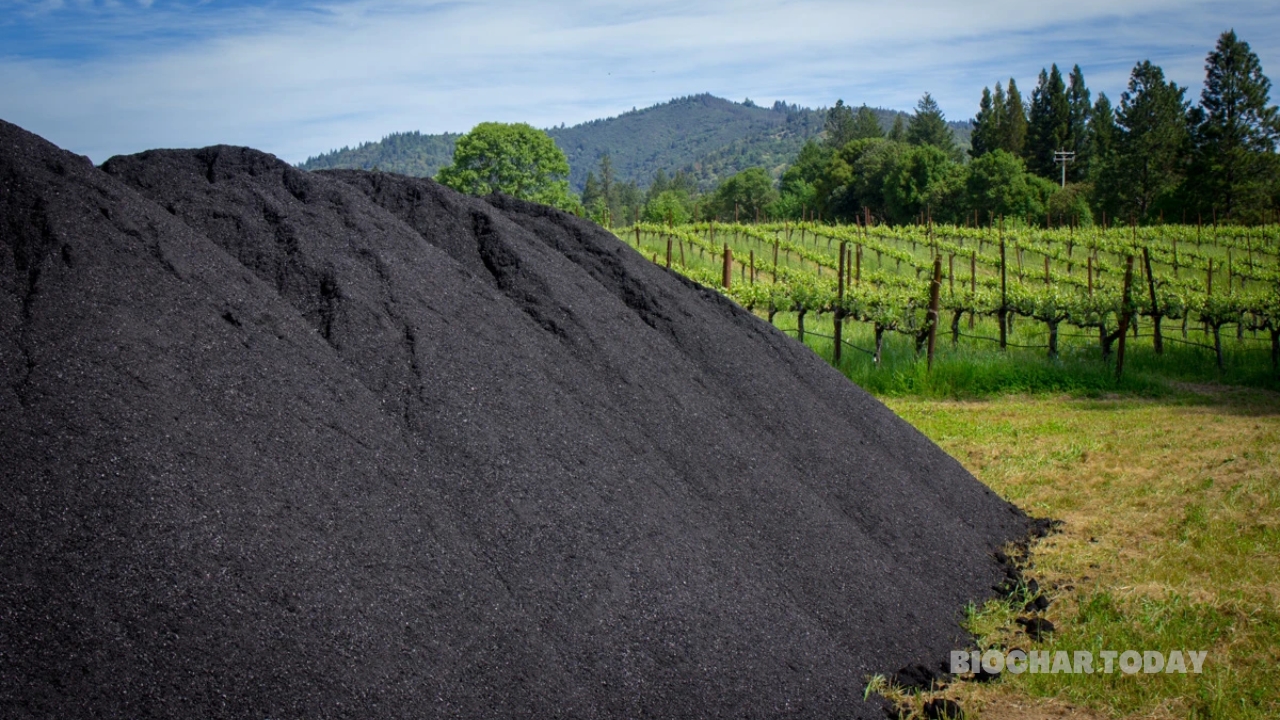
Pacific BiocharBiochar is a carbon-rich material created from biomass decomposition in low-oxygen conditions. It has important applications in environmental remediation, soil improvement, agriculture, carbon sequestration, energy storage, and sustainable materials, promoting efficiency and reducing waste in various contexts while addressing climate change challenges. More, operating in the United States, has advanced regional soil health and carbon removal objectives through a strategic collaboration with Humboldt Sawmill Company in Scotia, California. The initiative converts sawmill residues into high-integrity biochar deployed across agricultural lands to enhance moisture retention, nutrient conservation, and crop productivity while sequestering carbon over the long term.
The primary challenge addressed by this project involves identifying productive, scalable uses for woody biomassBiomass is a complex biological organic or non-organic solid product derived from living or recently living organism and available naturally. Various types of wastes such as animal manure, waste paper, sludge and many industrial wastes are also treated as biomass because like natural biomass these More generated by forestry and sawmill operations while simultaneously achieving verifiable carbon dioxide removal. Integrating novel bioenergy systems into California’s highly regulated environment presents operational barriers, including significant working capital burdens for production, deployment, and digital monitoring, reporting, and verification (MRV).
To overcome these challenges, Pacific Biochar developed the HSC Biochar Carbon Removal project as a retrofit to an existing bioenergy facility operated by Humboldt Sawmill Company. This approach minimized capital expenditures while utilizing FSC-certified woody residues from managed forests. The project integrated digital MRV platforms, such as the Mangrove Systems framework, and transitioned to a Core Carbon Principles (CCP) approved methodology to ensure transparent tracking and prevent double counting across the supply chain.
The initiative has successfully generated more than 6,900 CCP-labelled carbon credits, with approximately 10,000 credits expected annually over a 30-year period. Project data indicate that over 95 percent of the carbon contained in the biochar is projected to remain stored beyond a 200-year durability threshold, simultaneously delivering lasting agricultural and hydrological benefits for land managers facing drought pressures.



Leave a Reply