
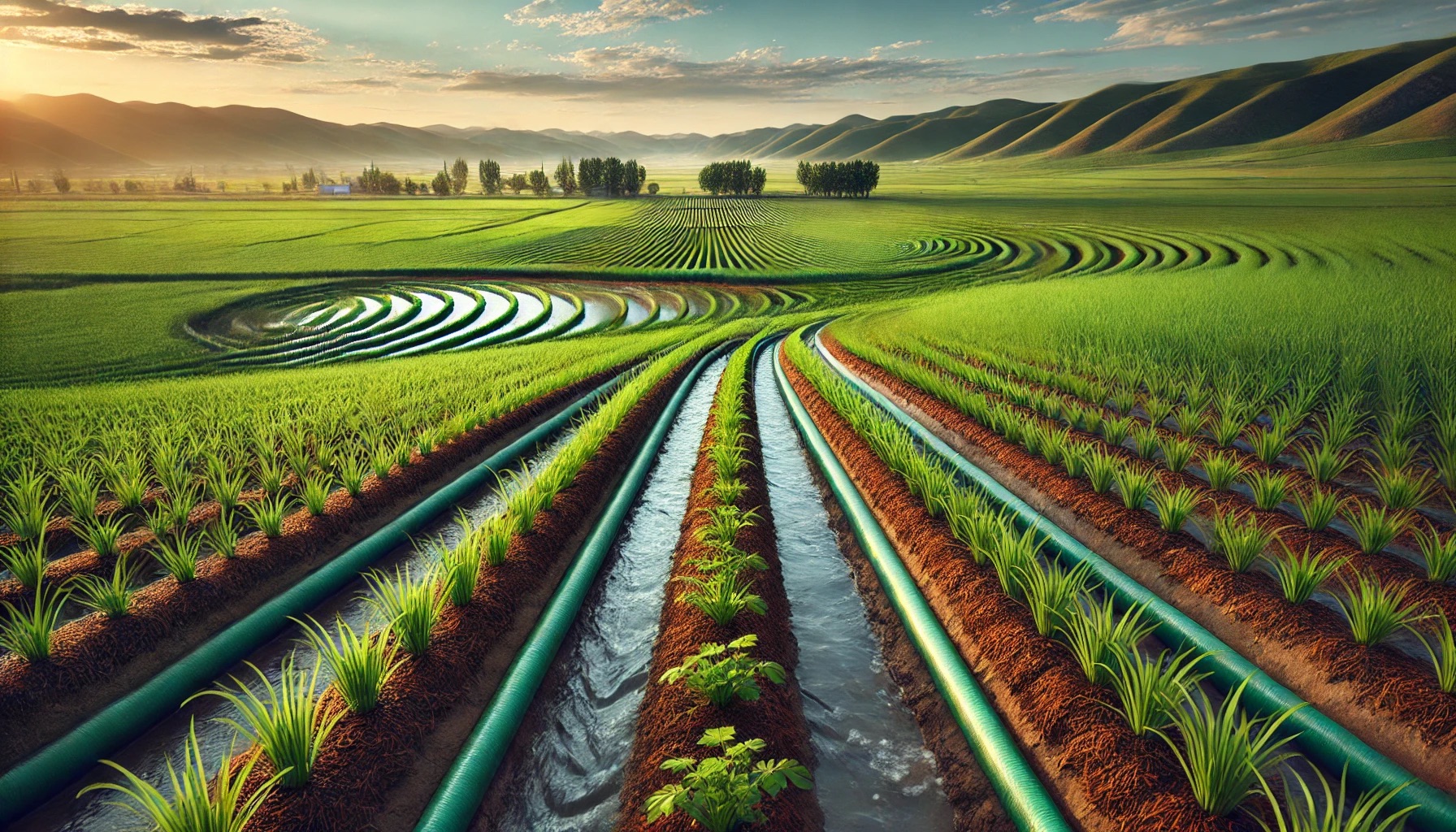
Recent research published in Environmental Technology & Innovation highlights the benefits of using nitrogen-loaded biocharBiochar is a carbon-rich material created from biomass decomposition in low-oxygen conditions. It has important applications in environmental remediation, soil improvement, agriculture, carbon sequestration, energy storage, and sustainable materials, promoting efficiency and reducing waste in various contexts while addressing climate change challenges. More (NLB) to enhance agricultural productivity and sustainability. A two-year field study in Northeast China from Chen, et al investigated NLB’s potential in reducing ammonia volatilization, improving nitrogen (N) utilization, and maintaining rice yields under reduced N fertilizer conditions.
The study compared treatments combining NLB with reduced urea application (75% of standard rates) against conventional practices. Results showed that applying 20 tons of NLB per hectare with reduced urea decreased ammonia volatilization by 20.96%, mitigating environmental nitrogen loss. Moreover, this approach maintained rice yields, with some scenarios even surpassing traditional methods. For instance, the T2 treatment (100% urea with NLB) increased yield by up to 11.15%.
A key advantage of NLB lies in its slow-release N properties. It supplied nitrogen steadily over 30 days, aligning with the crop’s late-stage needs and enhancing soil ammonium levels by 13.72%. The nitrogen nutrition index (NNI) also indicated that the combination of NLB and 75% urea provided an optimal N balance, reducing losses without compromising productivity.
This research underscores NLB’s dual role in environmental protection and agricultural efficiency. Its ability to reduce urea dependency while sustaining yields makes it a promising tool for sustainable rice production. Future studies may explore the use of waste-derived nitrogen sources to further enhance eco-friendly farming practices.
SOURCE: Chen, et al (2024) Nitrogen-loaded biochar for environmental management: enhancing nitrogen utilization balance in farmland, mitigating ammonia volatilization, and improving fertilizer efficiency. Environmental Technology & Innovation. https://doi.org/10.1016/j.eti.2024.104006




Leave a Reply