

High oil content in food wastewater inhibits anaerobic digestion (AD), reducing microbial activity and methane production. This study explores the use of biocharBiochar is a carbon-rich material created from biomass decomposition in low-oxygen conditions. It has important applications in environmental remediation, soil improvement, agriculture, carbon sequestration, energy storage, and sustainable materials, promoting efficiency and reducing waste in various contexts while addressing climate change challenges. More to counteract oil-induced inhibition and optimize methane production in synthetic food wastewater.
Researchers tested biochar concentrations (0, 2, 5, and 8 g/L) with a wastewater model containing 4 g/L of sodium oleate. Results showed that oil content reduced cumulative methane yield by 36.61%, but the addition of 5 g/L biochar increased methane production by 196.5%. Biochar facilitated the breakdown of long-chain fatty acids, promoting organic matter conversion and reducing volatile fatty acids (VFAs) accumulation.
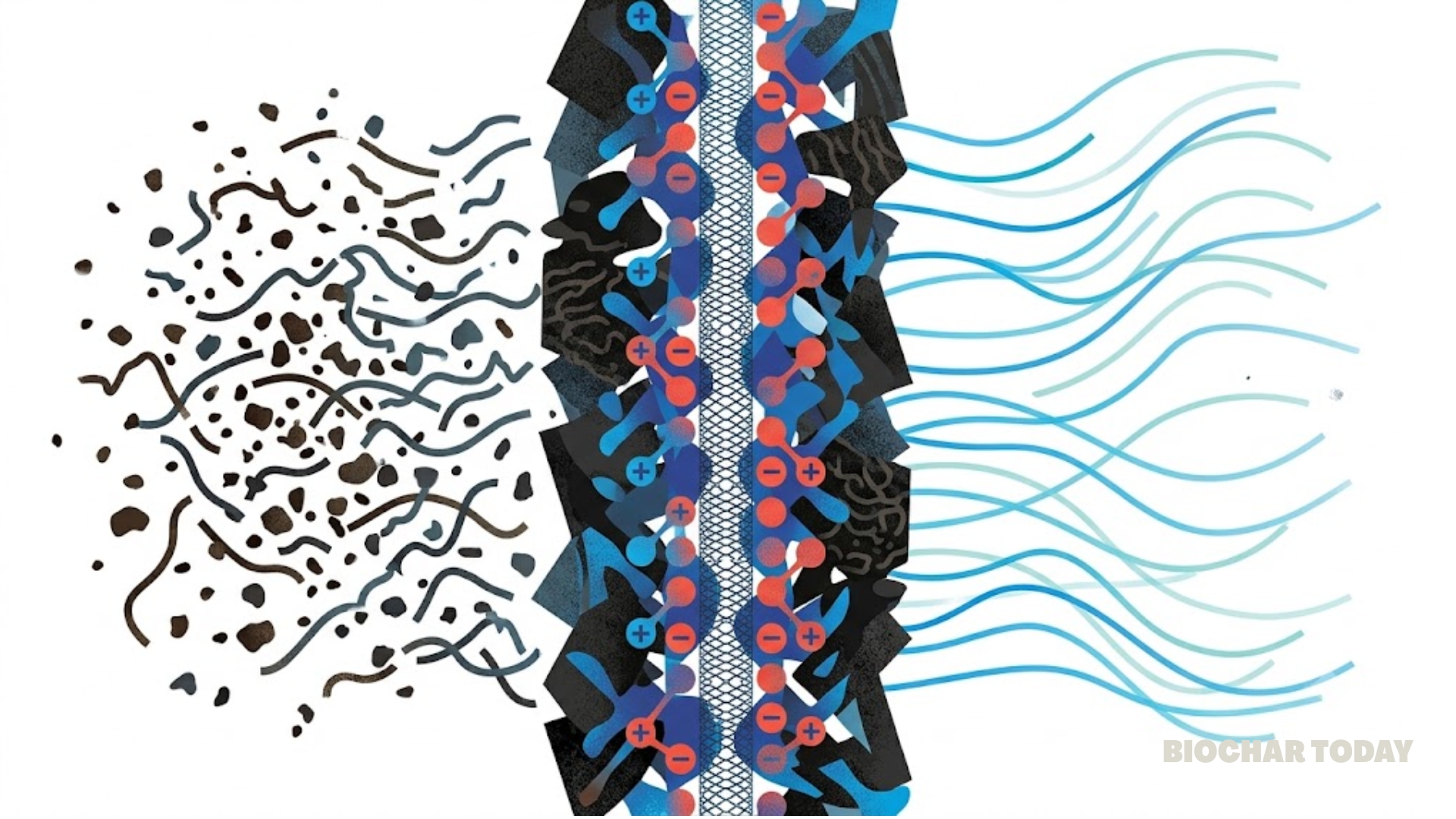
Microbial analysis highlighted biochar’s role in enhancing the growth of functional microorganisms such as Methanoculleus and Methanosarcina. These species played pivotal roles in hydrogenotrophic and acetoclastic methanogenesis, respectively. Biochar’s porous structure supported microbial colonization and promoted direct interspecies electron transfer (DIET), further enhancing methane yield. However, increasing the biochar dosage to 8 g/L reduced efficiency, possibly due to excessive adsorption of essential compounds.
This study identifies 5 g/L as the optimal biochar dosage for enhancing AD efficiency in high-oil wastewater. Beyond methane production, biochar improves sludge stability and microbial activity. Future research should investigate the interplay of biochar properties and wastewater characteristics to maximize the benefits of AD for various waste streams.
These findings highlight biochar’s potential as a sustainable solution to improve AD processes, enabling better wastewater treatment and resource recovery.
SOURCE: Feng, et al (2024) Biochar addition to mitigate oil inhibition in anaerobic digestion of food wastewater: Microbial insights from biochemical methane potential tests. Environmental Technology & Innovation. https://doi.org/10.1016/j.eti.2024.104000




Leave a Reply