
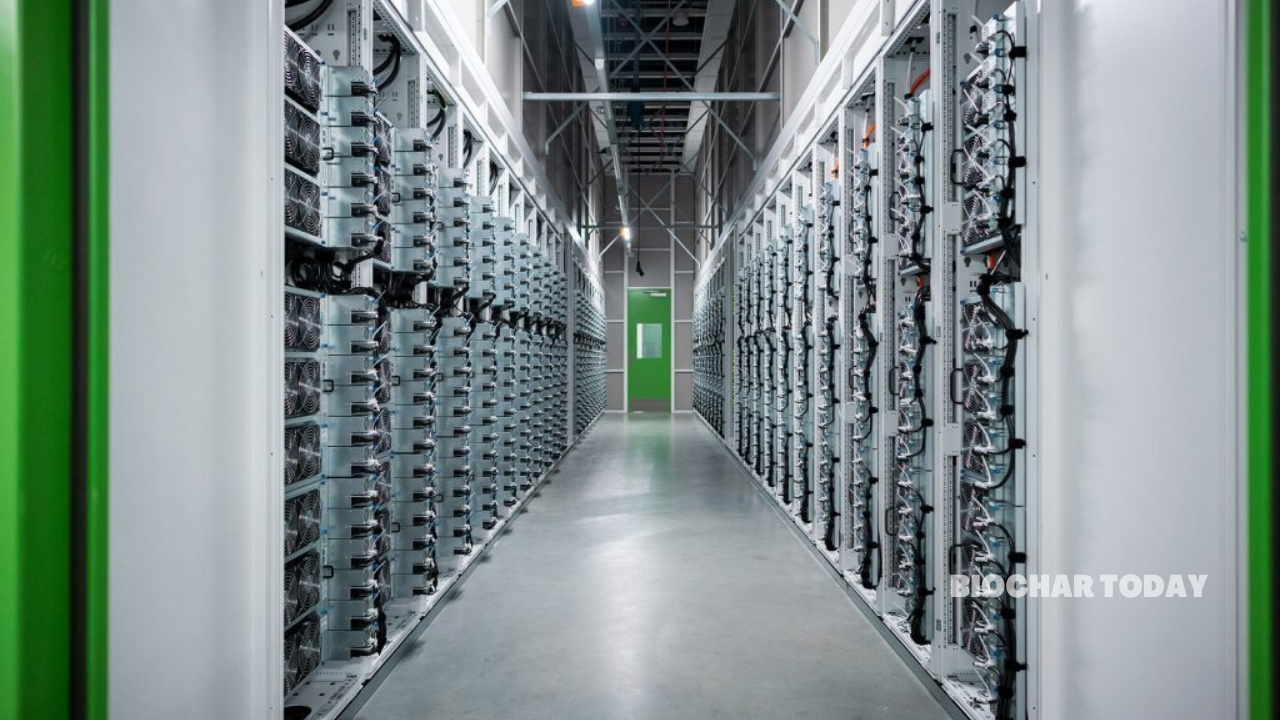
Microsoft Corporation released its annual sustainability report in the United States, revealing that its 2025 greenhouse gas emissions increased by 25 percent over the previous year. Total energy consumption within the organization grew by 24 percent over the same period, leading to a total output of 20 million metric tons of carbon dioxide equivalent. This environmental trajectory mirrors a broader trend across the global technology sector, where competing corporations such as Amazon and Google also reported emission spikes of 16 percent and 18 percent respectively. The upward trajectory places intense pressure on the enterprise as it enters the final four years of its deadline to achieve absolute carbon negativity across operations.
The primary challenge confronting the organization stems from the vast energy footprint required to power the ongoing artificial intelligence boom. Constructing and operating hyperscale data centers demands immense electrical capacity, which frequently outpaces local grids capable of delivering uninterrupted, carbon-free electricity. Furthermore, the company altered its corporate accounting strategy by halting the acquisition of unbundled, short-term renewable energy certificates. While these certificates previously allowed the company to artificially lower its reported annual carbon footprint, eliminating them exposes the true, unmitigated emissions generated by its rapidly expanding computing infrastructure.
To address these compounding infrastructural liabilities, corporate leadership is shifting toward a diversified portfolio strategy that prioritizes long-term systemic changes over short-term accounting adjustments. The company is actively building data centers utilizing alternative, lower-carbon structural components, including mass timber, low-carbon steel, and specialized concrete blends. In addition to structural engineering modifications, software developers are deploying specialized artificial intelligence models engineered to analyze, test, and optimize standard programming code. This computational optimization directly reduces the total power consumption required whenever the applications execute inside cloud servers.
These targeted operational interventions yielded measurable efficiencies, preventing an estimated 14 million metric tons of additional carbon dioxide equivalent from entering the atmosphere. The corporation successfully matched its global electricity usage with clean energy contracts, expanding its power purchase agreements to a total capacity of 40 gigawatts across 26 nations. Additionally, the company fulfilled its localized resource goals by replenishing more fresh water globally than its operations withdrew, and it maintained a 92 percent recycling rate for decommissioned cloud server hardware through its network of circular electronics facilities. Chief Sustainability Officer Melanie Nakagawa confirmed that the enterprise maintains its commitment to the 2030 carbon negative timeline by thoroughly vetting high-integrity carbon removal agreements capable of scaling to match corporate demand.



Leave a Reply