
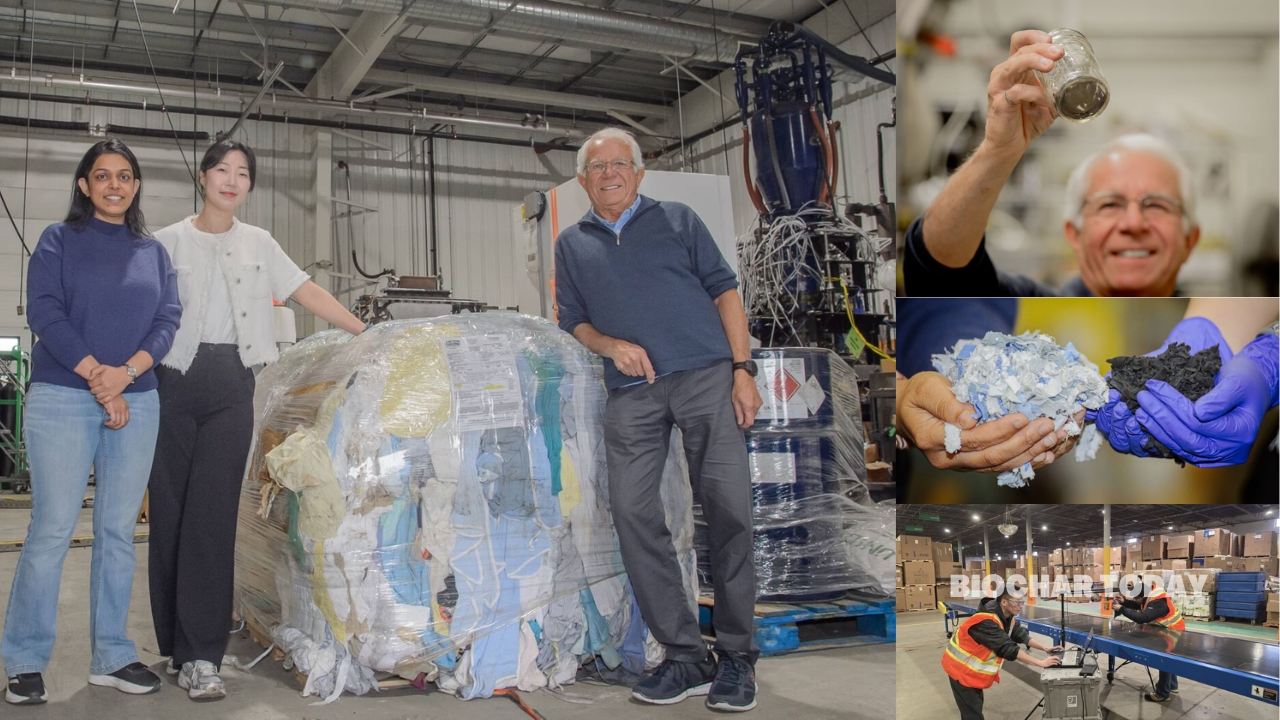
Western University and Fanshawe College established a research partnership with Goodwill Industries to address post-consumer material management in Canada. The joint initiative utilizes specialized chemical and thermal processing to transform unmarketable garments into stable commodities rather than allowing them to accumulate in regional waste streams. Operating within the Ontario Great Lakes region, the collaborative project directly targets the segment of incoming donations that fails to meet retail standards for resale. By establishing a dedicated processing framework, the academic institutions are actively assisting the non-profit organization in advancing its regional waste diversion mandates.
The primary challenge addressed by the institutions stems from the complex material composition of contemporary consumer apparel, which heavily resists conventional recycling methodologies. Post-consumer garments frequently consist of heterogeneous blends combining natural fibers, synthetic petroleum-based plastics, diverse chemical dyes, and specialized physical additives. This material complexity results in approximately 80 percent of thrifted textiles across North America ultimately migrating into municipal landfills, where even natural fibers generate greenhouse gas emissions during decomposition. Furthermore, the regional branch of the charitable organization processes over 43 million pounds of mixed donations annually, creating an operational volume that exceeds manual processing and sorting capabilities.
To resolve these recycling limitations, researchers at Western’s Institute for Chemicals and Fuels from Alternative Resources (ICFAR) implemented a thermal conversion process utilizing oxygen-deprived pyrolysisPyrolysis is a thermochemical process that converts waste biomass into bio-char, bio-oil, and pyro-gas. It offers significant advantages in waste valorization, turning low-value materials into economically valuable resources. Its versatility allows for tailored products based on operational conditions, presenting itself as a cost-effective and efficient More. This chemical engineering methodology subjects the mixed fiber waste to high temperatures in the absolute absence of oxygen, systematically breaking down the complex synthetic and natural polymers into uniform carbon structures. In parallel, the engineering faculty is developing an automated, artificial-intelligence-driven conveyor system equipped with smart optical sensors to categorize incoming donations and verify material streams. Simultaneously, complementary biochemical research is testing specific enzyme applications designed to reduce pure natural fabrics down into industrial sugars suitable for commercial fermentation.
The integration of the pyrolysis system successfully diverted 5,000 pounds of non-resalable clothing waste from provincial landfills during the initial pilot phase. Agronomic testing confirmed that the resulting textile-derived biocharBiochar is a carbon-rich material created from biomass decomposition in low-oxygen conditions. It has important applications in environmental remediation, soil improvement, agriculture, carbon sequestration, energy storage, and sustainable materials, promoting efficiency and reducing waste in various contexts while addressing climate change challenges. More possesses a highly porous carbon structure that locks carbon into the matrix, preventing carbon dioxide emissions and enhancing plant development when blended into regional soils. This sequestration capability offers distinct economic advantages under domestic Canadian carbon pricing frameworks. The research coalition has applied for federal funding to scale these thermal and automated technologies, aiming to process the remaining 25 percent of regional textile inputs that cannot enter traditional consumer resale markets.




Leave a Reply