

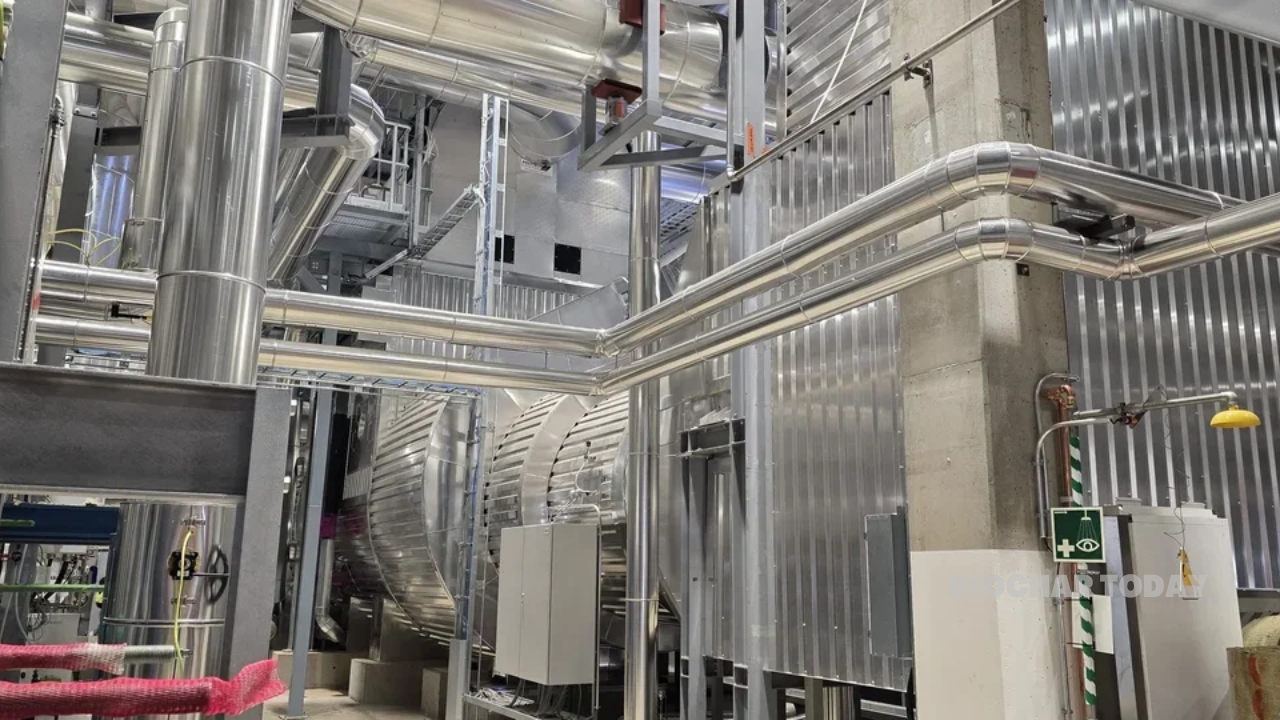
MCi Carbon has officially launched Myrtle, a multi-purpose carbon refinery facility located on Kooragang Island in Newcastle, Australia. This milestone marks the culmination of fifteen years of technical research and development into commercial carbon capture, utilization, and storage frameworks. Constructed via an investment exceeding 80 million Australian dollars in mixed private equity and federal grants, the facility is designed to process point-source emissions. By integrating directly with neighboring industrial operations, specifically capturing carbon dioxide from Orica’s local ammonia manufacturing infrastructure, the refinery demonstrates a localized methodology for intercepting greenhouse gases before they reach the atmosphere.
A persistent industrial hurdle addressed by this project is the mitigation of emissions from hard-to-abate sectors like manufacturing, chemical production, and mining. These heavy industries generate vast volumes of carbon dioxide that traditional electrification or renewable energy resources cannot neutralize. Furthermore, conventional carbon capture methods frequently classify carbon dioxide as a hazardous waste byproduct, necessitating expensive compression and long-distance transport for subterranean storage. This regulatory and financial dynamic creates an expensive operational compliance cost for companies, which suppresses widespread corporate adoption of large-scale carbon removal technologies.
To resolve this economic and engineering challenge, MCi Carbon utilizes a proprietary mineral carbonation technology that accelerates the Earth’s natural geological absorption processes. The continuous-flow system feeds point-source carbon dioxide into reactive streams containing low-value alkaline waste minerals, such as steel slag and serpentinite mining tailings. Under regulated, low-temperature and low-pressure conditions, the gas undergoes a chemical transformation, binding with the magnesium and calcium ions inside the industrial byproducts. This chemical reaction permanently binds the gaseous carbon at a molecular level, preventing re-release into the atmosphere and bypassing the requirement for deep-well geological injection.
The operational deployment of the Myrtle plant delivers distinct circular economy outcomes. The processing plant converts industrial waste inputs into valuable commodity minerals, generating roughly 10,000 tonnes of compound materials per year, including calcium carbonate, magnesium carbonate, and amorphous silica. These output materials are utilized directly in construction supply chains to manufacture low-carbon concrete, plasterboard, glass, paper, and coatings. By neutralizing up to 2,500 tonnes of carbon dioxide annually, the refinery provides heavy industries with a profitable pathway to lower net emissions by up to 90 percent while producing stable, marketable construction materials.



Leave a Reply