
Key Takeaways
- New eco-friendly fertilizer coatings using charcoal-like material significantly boost vegetable harvests by over fifty percent compared to standard options.
- This specialized coating keeps nutrients in the soil longer, preventing up to sixty percent of nitrogen from washing away into groundwater.
- The technology reduces the loss of plant-strengthening gases into the air by more than twenty-five percent, protecting the environment.
- Vegetables grown with this fertilizer are healthier and higher in quality, containing more vitamins and sugars and fewer harmful chemicals.
- This advanced approach helps farmers save money on extra fertilizer while promoting cleaner water and more sustainable agricultural practices.
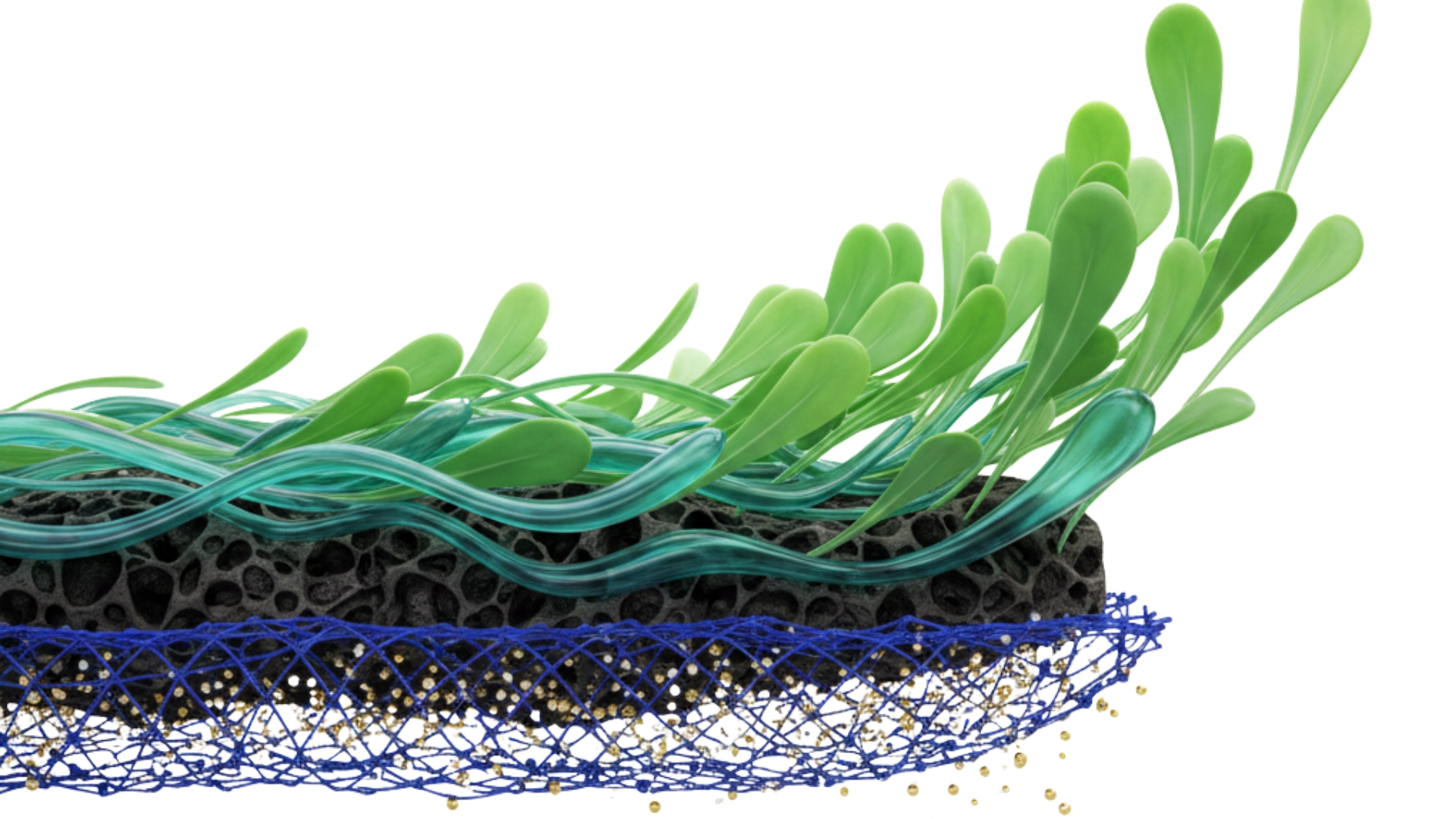
The journal Sustainability recently published an investigation by Lixin Lin and colleagues from the Zhongkai University of Agriculture and Engineering regarding a breakthrough in nitrogen fertilizer technology. Traditional urea fertilizers often suffer from low efficiency, as a large portion of their nitrogen content is lost to the environment before plants can absorb it. To solve this problem, the research team developed a novel carbon-based stabilized coated urea. This innovative fertilizer combines biocharBiochar is a carbon-rich material created from biomass decomposition in low-oxygen conditions. It has important applications in environmental remediation, soil improvement, agriculture, carbon sequestration, energy storage, and sustainable materials, promoting efficiency and reducing waste in various contexts while addressing climate change challenges. More produced from peanut shells with two specialized chemicals: NBPT, which slows down the breakdown of urea, and DCD, which prevents nitrogen from turning into a highly leachable form. By integrating these components through a low-energy coating process, the researchers created a “double-locking” mechanism that keeps nitrogen available to crops while protecting the surrounding ecosystem.
The findings from this study reveal that this synergistic coating dramatically modulates nitrogen dynamics in the soil. Under simulated rainfall conditions, the advanced coated urea reduced the cumulative leachingLeaching is the process where nutrients are dissolved and carried away from the soil by water. This can lead to nutrient depletion and environmental pollution. Biochar can help reduce leaching by improving nutrient retention in the soil. More of ammonium-nitrogen by as much as 53.8% and nitrate-nitrogen by nearly 60% compared to conventional urea. Nitrate is a major concern for environmental health because it is highly mobile and can contaminate groundwater or lead to the overgrowth of algae in nearby water bodies. The study indicates that the presence of the nitrification inhibitor DCD effectively blocks the conversion of nitrogen into this mobile form. Simultaneously, the biochar component acts as a physical and chemical sponge, using its high surface area and porous structure to anchor nutrients in the root zone where they are most needed.
In addition to preventing water pollution, the carbon-based coating proved highly effective at reducing air pollution through suppressed ammonia volatilization. All tested formulations reduced gaseous nitrogen loss by more than 10%, with the most effective version achieving a 26.92% inhibition rate. This is largely credited to the NBPT inhibitor, which delays the initial hydrolysis of urea. By slowing this process, the fertilizer prevents the rapid spike in soil alkalinity that typically drives ammonia gas into the atmosphere. This stabilization ensures that the nitrogen stays in the ground to support plant growth rather than being lost as a greenhouse gas or an atmospheric pollutant.
The real-world impact of these chemical improvements was most evident in field trials involving choy sum, a popular leafy vegetable in Southern China. The application of the synergistic biochar and inhibitor coating resulted in a remarkable yield increase of up to 58.1% compared to standard urea. This superior growth is a direct result of the fertilizer’s ability to synchronize nitrogen release with the plant’s actual demand. Because the nitrogen was conserved within the soil-plant system for a longer duration, the choy sum could accumulate more nitrogen, leading to significantly higher nitrogen use efficiency and agronomic performance.
Beyond just producing more food, the novel fertilizer significantly enhanced the quality and safety of the harvest. Choy sum grown with the stabilized coating showed improved nutritional profiles, including higher concentrations of vitamin C and soluble sugars. More importantly, the edible tissues contained significantly lower levels of nitrate. This reduction is a major victory for food safety, as excessive nitrate in leafy greens is a known health risk. The controlled-release nature of the coating prevents the “luxury uptake” of nitrate by the plants, ensuring that the vegetables are not only larger but also safer and more nutritious for consumers.
The researchers concluded that this carbon-based stabilized coated urea represents a powerful advancement for sustainable intensification in vegetable production. By providing a cost-effective and practical alternative to high-cost controlled-release fertilizers, this technology offers a scalable solution for both smallholder and commercial farmers. It addresses the critical global challenge of maximizing agricultural output while minimizing the environmental footprint of fertilization. As the industry moves toward greener practices, this integration of biochar with targeted nitrogen inhibitors provides a robust scientific basis for the next generation of eco-friendly agricultural inputs.
Source: Lin, L., Tang, Y., Li, H., Lv, H., Huang, B., Chen, H., & Du, J. (2025). Synergistic biochar-NBPT-DCD coating modulates nitrogen dynamics, mitigates leaching, and enhances yield and quality of choy sum in sustainable vegetable production. Sustainability, 18(1), 383.



Leave a Reply