
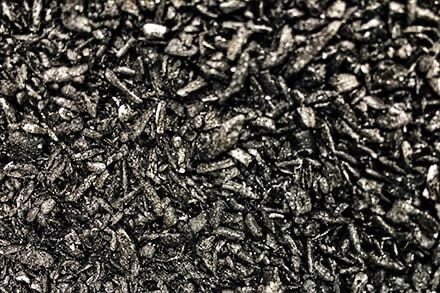
Researchers at the University of Illinois have developed an eco-friendly solution to reduce nutrient pollution while recycling phosphorus as a slow-release fertilizer. Their innovative approach uses “designer” biocharBiochar is a carbon-rich material created from biomass decomposition in low-oxygen conditions. It has important applications in environmental remediation, soil improvement, agriculture, carbon sequestration, energy storage, and sustainable materials, promoting efficiency and reducing waste in various contexts while addressing climate change challenges. More, created from sawdust and lime sludge, to trap and recycle excess phosphorus from agricultural drainage systems.
In a two-year field study in Illinois, the team tested biochar pellets in drainage systems common in Midwestern corn and soybean fields. These pellets captured 38-41% of dissolved phosphorus in the water. Once saturated, the pellets can be spread back onto fields, where the captured phosphorus gradually becomes available to crops, enhancing soil fertility.
The biochar pellets, made by slow-burning the sawdust-lime sludge mix under low oxygen, offer a sustainable alternative to industrial phosphorus-removal methods. Unlike powdered biochar, which risks washing away, the pellet form ensures durability in field conditions. Producing the pellets costs $413 per ton—significantly less than other materials like activated carbonActivated carbon is a form of carbon that has been processed to create a vast network of tiny pores, increasing its surface area significantly. This extensive surface area makes activated carbon exceptionally effective at trapping and holding impurities, like a molecular sponge. It is commonly More, which costs $800-$2,500 per ton. The system’s phosphorus removal costs average $359 per kilogram, depending on pellet replacement frequency.
Beyond cost savings, this method supports climate goals. Researchers estimate the system could reduce 12-200 kilograms of CO2-equivalent emissions per kilogram of phosphorus removed by recycling biochar pellets in fields.
Though not yet required by regulation, this system offers a practical, sustainable option for conservation-minded farmers to curb nutrient pollution and promote environmental health.
LEARN MORE: Scientists hit nutrient pollution with biochar



Leave a Reply