
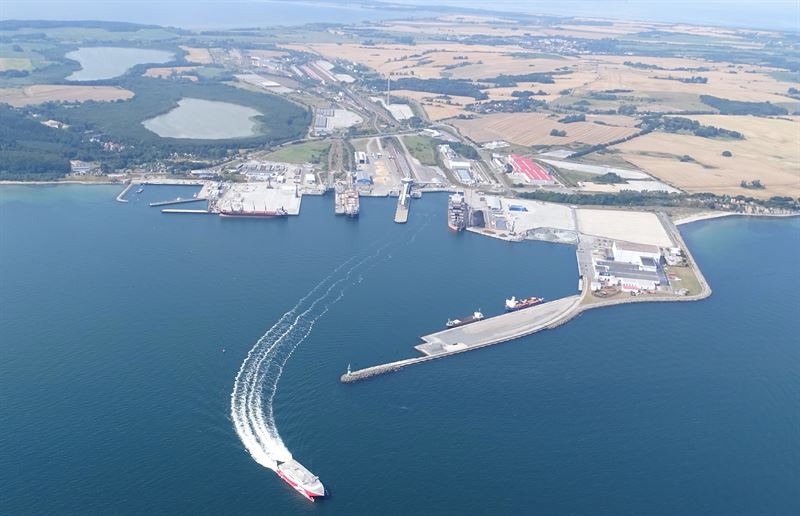
Outokumpu, a leading producer of sustainable stainless steel, has announced a €40 million investment in a biocarbon production plant in Sassnitz, Germany. This initiative is part of the company’s strategy to reduce its direct emissions by replacing fossil-based raw materials with biomassBiomass is a complex biological organic or non-organic solid product derived from living or recently living organism and available naturally. Various types of wastes such as animal manure, waste paper, sludge and many industrial wastes are also treated as biomass because like natural biomass these More alternatives.
The facility, set to utilize waste wood as feedstockFeedstock refers to the raw organic material used to produce biochar. This can include a wide range of materials, such as wood chips, agricultural residues, and animal manure. More, will have an annual production capacity of 15,000 tonnes of biocarbon. This material will be processed into biocoke for use in Outokumpu’s ferrochrome production in Tornio, Finland. By integrating biocoke into its processes, Outokumpu estimates it could reduce direct emissions by up to 50%.
The plant, located at Mukran Port, will leverage existing infrastructure and is expected to be operational in 2026. The project aligns with Outokumpu’s commitment to reducing its carbon emission intensity by 42% by 2030, compared to 2016 levels.
This investment also anticipates the gradual phase-out of free carbon allowances in the European Emissions Trading System, further preparing Outokumpu for future regulatory changes. Additionally, the plant will use side stream gases to generate heat and electricity, enhancing its sustainability profile.
“This project strengthens our position as an industry leader in low-carbon stainless steel production,” said Stefan Erdmann, Chief Technology Officer at Outokumpu. “Biocoke is a key technology for reducing emissions, and we are committed to exploring innovative solutions like carbon capture for future progress.”
Outokumpu’s roadmap includes expanding biocoke production through in-house facilities, partnerships, and external sourcing.
PRESS RELEASE: Outokumpu invests in a biocarbon plant in Germany to further reduce its direct emissions
-
biocarbon, biocoke, biomass, carbon capture, Carbon neutrality, emission reduction, European Emissions Trading System, ferrochrome production, Germany, green transition, industrial innovation, low-carbon steel, Mukran Port, Outokumpu, renewable energy, Sassnitz, stainless steel, sustainability, sustainable production, waste wood



Leave a Reply