
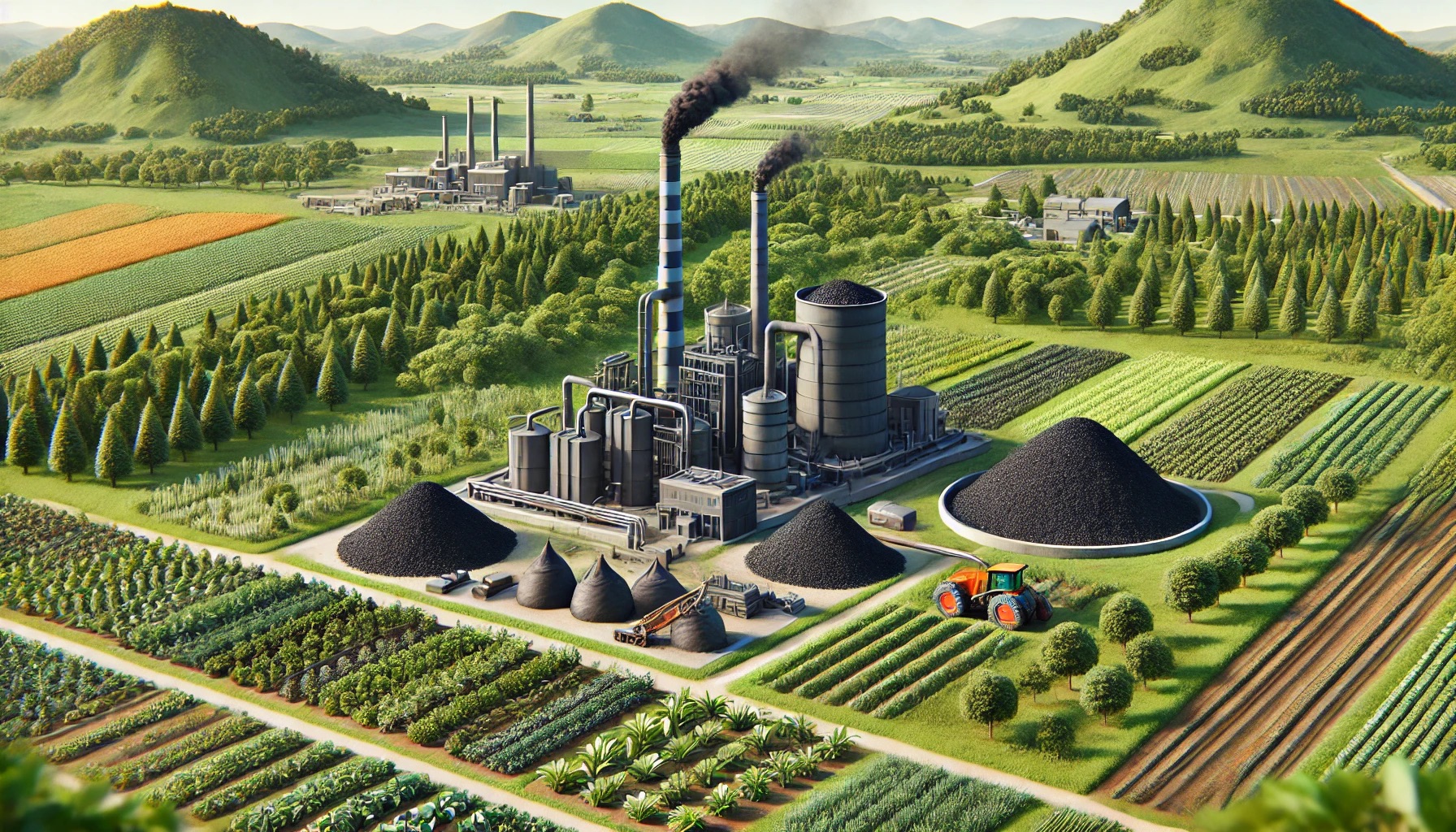
In a recent story for The Citizen, Bryce Meeker, president of Saratoga Biochar Solutions, discusses plans for a biocharBiochar is a carbon-rich material created from biomass decomposition in low-oxygen conditions. It has important applications in environmental remediation, soil improvement, agriculture, carbon sequestration, energy storage, and sustainable materials, promoting efficiency and reducing waste in various contexts while addressing climate change challenges. More production plant at the Moreau Industrial Park, highlighting the environmental advantages of biochar. Despite biochar’s potential, he claims, it remains underutilized.
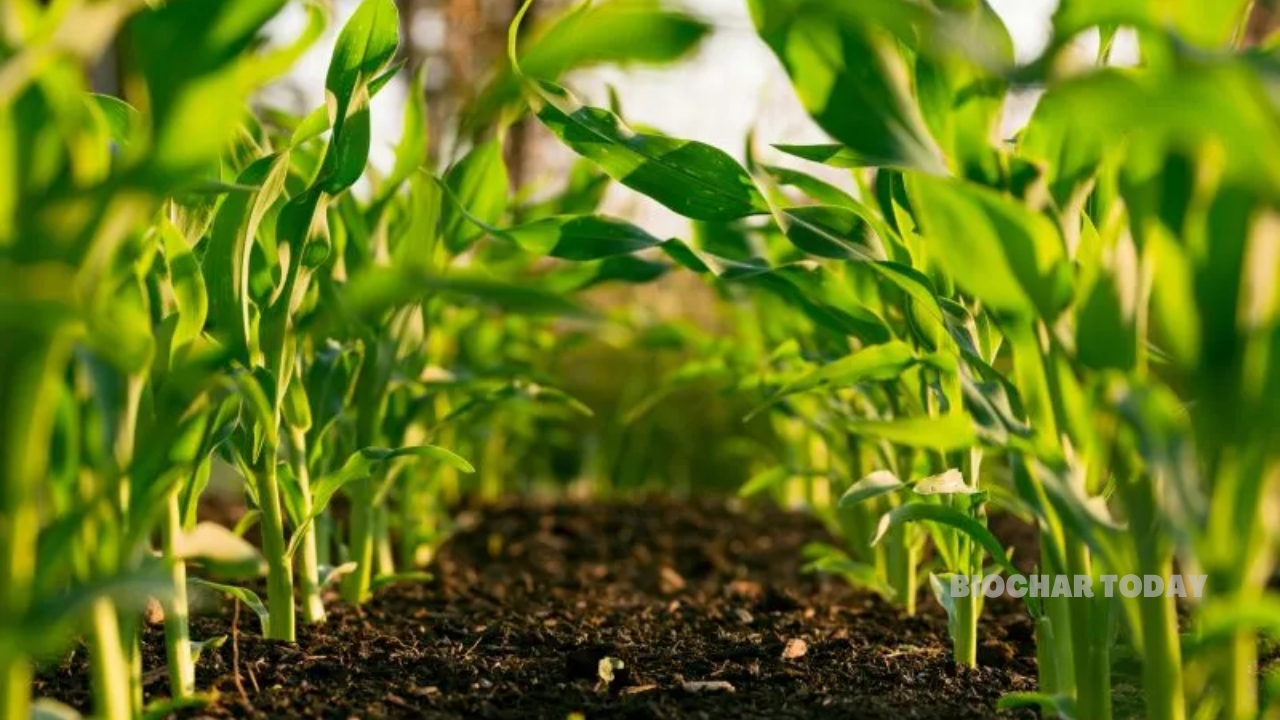
Biochar has a range of environmental benefits. Notably, it sequesters carbon for hundreds to thousands of years, reducing atmospheric carbon and combating climate change. Additionally, biochar enhances soil health by improving water retention, nutrient availability, and promoting microbial activity, leading to increased crop yields.
Although biochar production and usage remain relatively uncommon, biochar’s potential for sustainability is significant. Organizations such as the USDA and Cornell University’s Lehmann Laboratory emphasize biochar’s stability and effectiveness as a soil amendmentA soil amendment is any material added to the soil to enhance its physical or chemical properties, improving its suitability for plant growth. Biochar is considered a soil amendment as it can improve soil structure, water retention, nutrient availability, and microbial activity. More. Biochar’s ability to enhance crop yields rivals that of inorganic fertilizers while also providing long-term environmental benefits.
Recently, biochar’s importance has been acknowledged through official channels. In November 2022, the Natural Resources Conservation Service included biochar in its Conservation Standard Practice Code 366, allowing financial aid for farmers interested in its use. However, while scientific and governmental entities recognize biochar’s potential, its commercial availability remains limited.
Meeker’s message underscores the need for biochar to become a mainstream product, harnessing its environmental and agricultural benefits. With its ability to store carbon and improve crop production, biochar holds promise for sustainable farming and environmental protection.


![Eucalyptus Wood Waste-Derived Biochar Achieves a Ninety-Eight Percent Removal Efficiency for Benzo[ghi]perylene in Vehicle-Wash Wastewater](https://biochartoday.com/wp-content/uploads/2026/10/SCIENCE-BLOGS-2026-2026-10-19T160523.703.jpg)
Leave a Reply