

A collaborative project led by the Michigan State University Forestry Department has received financial support to expand regional biocharBiochar is a carbon-rich material created from biomass decomposition in low-oxygen conditions. It has important applications in environmental remediation, soil improvement, agriculture, carbon sequestration, energy storage, and sustainable materials, promoting efficiency and reducing waste in various contexts while addressing climate change challenges. More markets using fallen timber from extreme weather events. The United States Department of Agriculture’s National Institute of Food and Agriculture awarded a $300,000 grant under its Rapid Response to Weather Events Across Food and Agriculture Systems program. This initiative focuses on managing the extensive volume of non-merchantable woody biomassBiomass is a complex biological organic or non-organic solid product derived from living or recently living organism and available naturally. Various types of wastes such as animal manure, waste paper, sludge and many industrial wastes are also treated as biomass because like natural biomass these More generated by a severe ice storm in northern Michigan and the Upper Midwest. By establishing a structured framework to convert storm debris into biochar, the project intends to bolster agricultural resilience while mitigating ecological hazards.
The primary challenge driving this initiative is the sudden accumulation of vast quantities of broken, non-merchantable timber across forest landscapes, which presents severe operational and environmental risks. If left unmanaged, this excess woody biomass serves as hazardous fuel that significantly escalates the risk of catastrophic wildfires. Beyond the immediate waste management crisis, the commercial biochar industry in the Upper Midwest and Great Lakes region faces localized market barriers. Growth remains restricted by a general lack of market awareness among stakeholders, conflicting or confusing science-based recommendations, and a deficiency of credible, accessible information for both potential producers and consumers.
To resolve these interconnected issues, Michigan State University is utilizing the federal funding to build immediate capacity for processing damaged wood into biochar. The project focuses on designing an adaptable supply chain model and conducting comprehensive economic impact assessments to help land managers divert wood residues to viable regional markets. Operationally, the solution expands upon the existing frameworks of the Great Lakes Biochar Network and the Minnesota Biochar Initiative. The university will implement logger training sessions, educational workshops, localized demonstrations, and standardized material testing services to establish an agile market infrastructure capable of handling large-scale biomass disruptions.
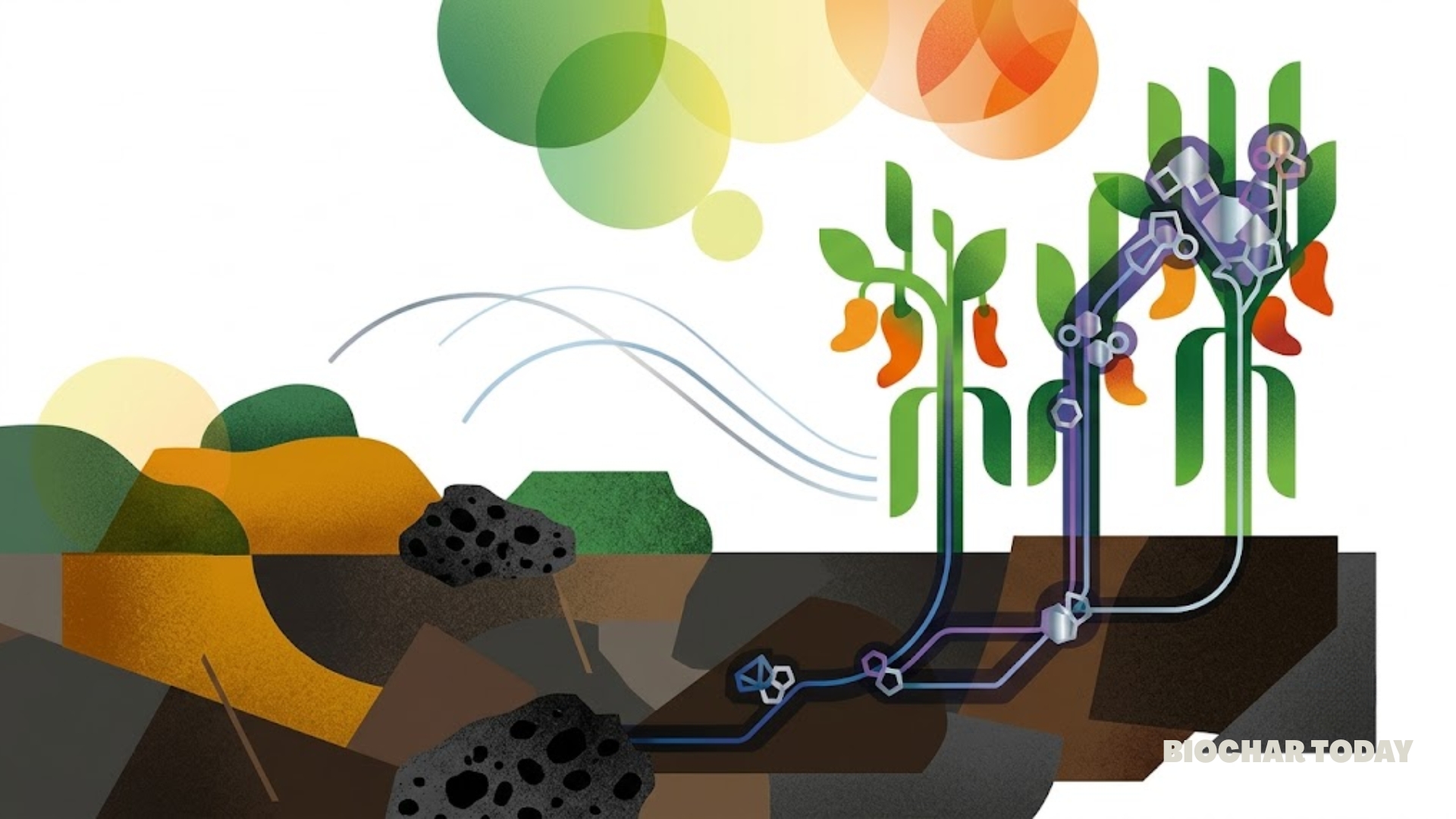
The project outcomes establish a dual-benefit model for disaster recovery and agricultural development. Converting forest residues into biochar minimizes wildfire hazards while simultaneously generating alternative revenue streams for affected landowners. The resulting biochar will be directed to nearby agricultural operations, improving soil nutrient retention, stabilizing biological activity, and increasing system resistance to drought and flooding through enhanced water-holding capacity. By piloting this supply chain model in the United States, the project creates a replicable template for other regions to rapidly activate and absorb heavy biomass volumes following severe weather disasters.



Leave a Reply