
Key Takeaways
- Heating wood waste at high temperatures creates special substances that can clean water using the power of natural sunlight.
- These man-made substances work nearly twenty times better than those made at lower temperatures because they contain more active plant-based components.
- Sunlight naturally breaks down solid biocharBiochar is a carbon-rich material created from biomass decomposition in low-oxygen conditions. It has important applications in environmental remediation, soil improvement, agriculture, carbon sequestration, energy storage, and sustainable materials, promoting efficiency and reducing waste in various contexts while addressing climate change challenges. More particles into liquid forms that help speed up chemical reactions in the environment.
- This discovery helps scientists design better eco-friendly materials to remove metal pollution from water sources using solar energy.
- Understanding how these materials change under the sun explains how natural waste products help cycle minerals through our ecosystem.
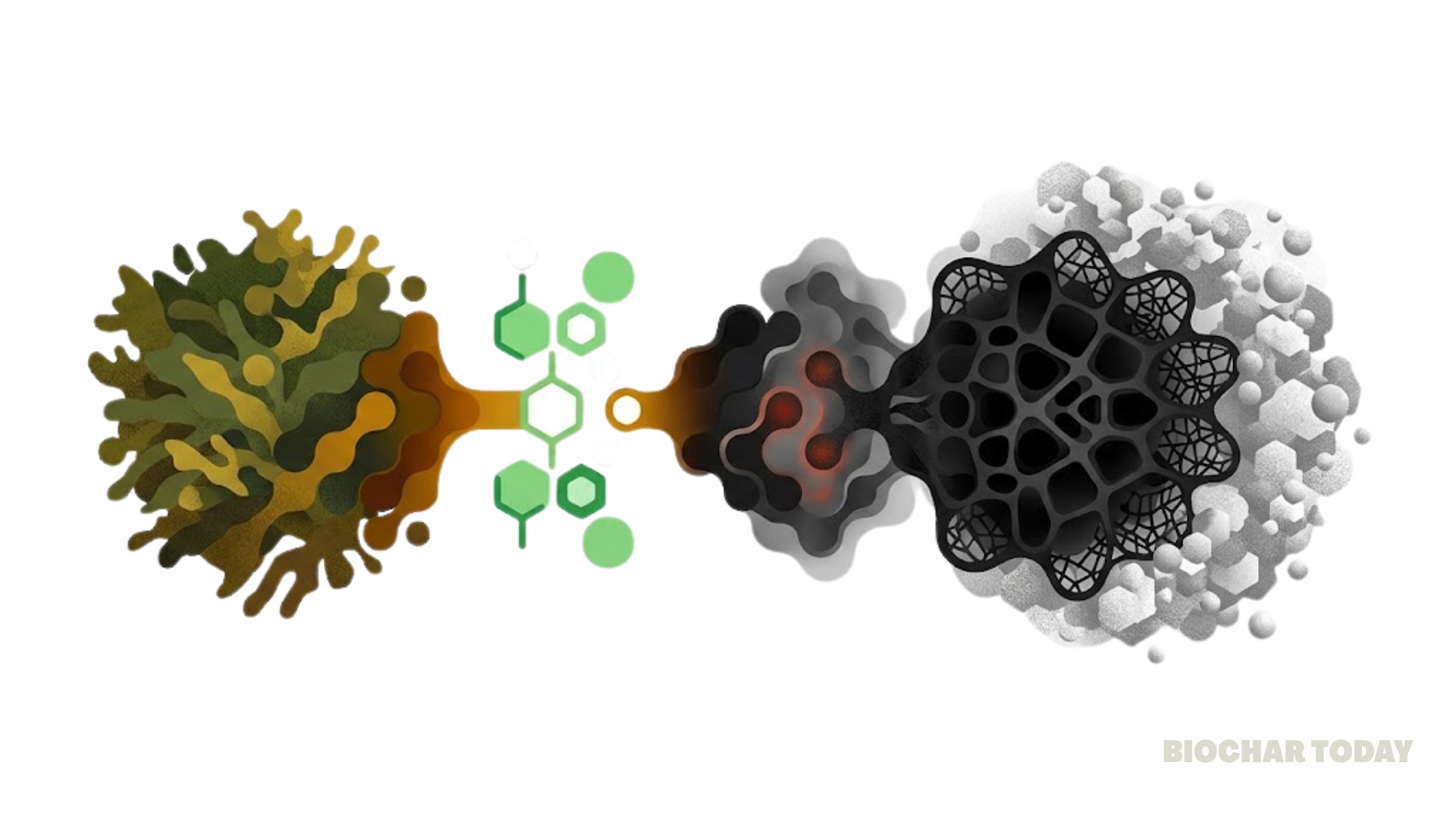
The search for sustainable materials to clean our environment has led researchers to a clever way of mimicking nature. In a study published in the journal Biochar, authors Liming Sun, Minghao Shen, Chao Jia, Fengbo Yu, Shicheng Zhang, and Xiangdong Zhu demonstrate how engineered biochar can be tailored to perform complex chemical tasks. By using a process called hydrothermal humification, the team transformed simple pine sawdust into artificial humic substances. These substances are designed to behave like the organic matter found in soil and water but with much greater efficiency. The researchers found that the temperature used during production is the most critical factor in determining how well these materials work when exposed to the sun.
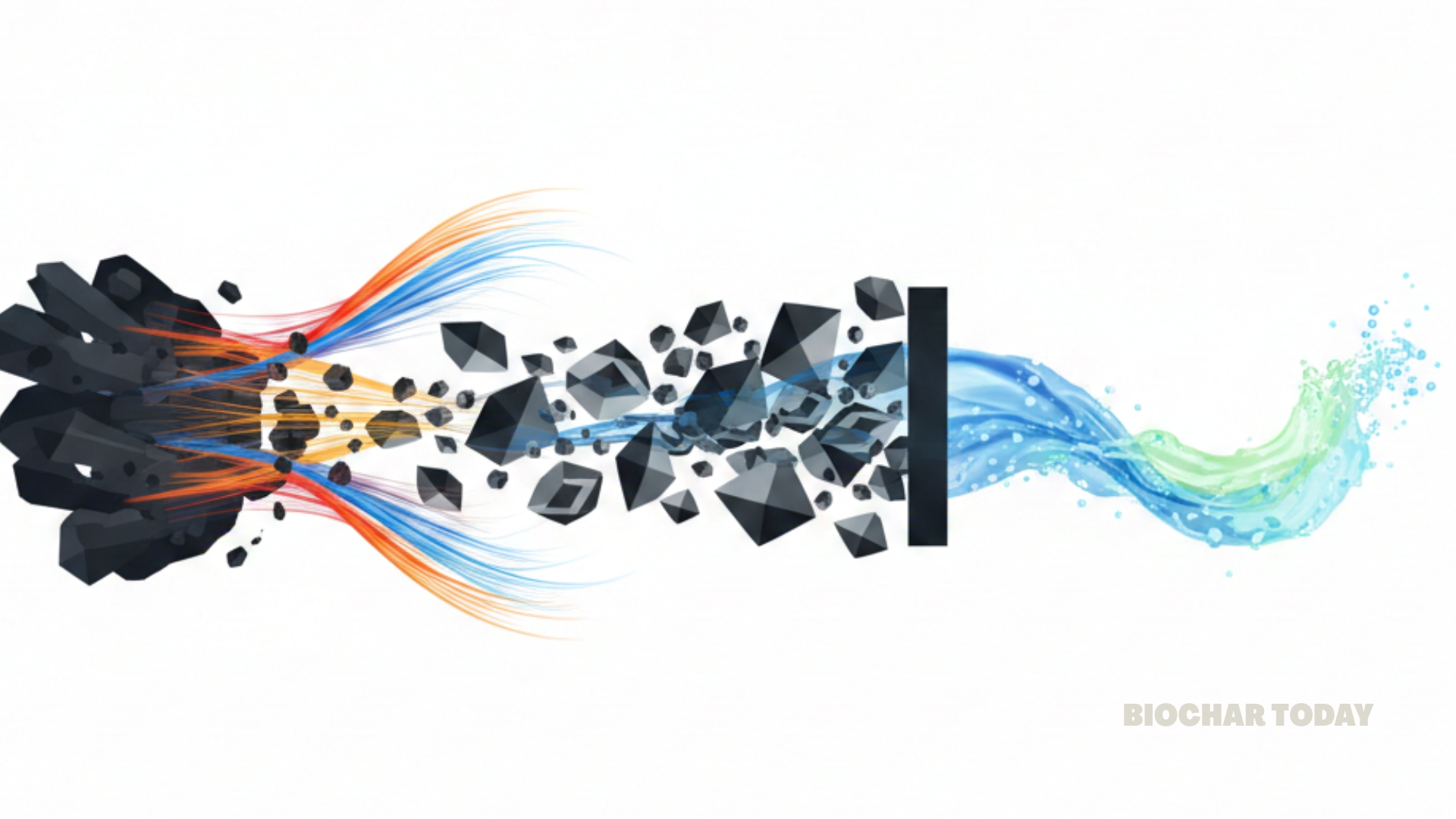
The core of the discovery lies in the transformation of lignin, the sturdy part of wood, into redox-active architectures. When the sawdust was processed at 340°C, it produced artificial humic substances with a 19.2-fold increase in reducing capacity compared to versions made at 180°C. This massive improvement is due to a richer concentration of phenolic groups, which are the specialized chemical structures responsible for donating electrons. When sunlight hits these phenolic groups, they generate superoxide radicals that drive the conversion of silver ions into metallic silver nanoparticles. This model reaction is significant because it proves that these engineered materials can effectively manage trace metals in water, offering a solar-powered solution for environmental remediation.
Beyond the liquid extracts, the study also uncovered a surprising behavior in the solid biochar, known as hydrochar. For a long time, scientists focused primarily on the dissolved parts of biochar, assuming the solid portions remained relatively inactive. However, this research revealed that hydrochar undergoes a process of photo-induced dissolution when left under sunlight. As the solid particles sit in water under the sun, they gradually break down and release even more active organic matter. Interestingly, the material released from this slow solar breakdown was found to be five times more effective at driving chemical reductions than the materials produced directly through initial heat treatment.
The molecular weight of these substances also plays a major role in their performance. The team discovered that larger molecules, specifically those heavier than 5 kDa, are the primary drivers of the chemical reactions. These larger fractions contain a higher density of the necessary phenolic components, making them superior to smaller, lighter molecules. By understanding these structural requirements, the researchers have created a roadmap for engineering high-performance materials. This ability to tune the molecular structure by simply adjusting the processing temperature allows for a level of precision that is impossible with natural organic matter, which can take years to form in the wild and varies wildly in its composition.
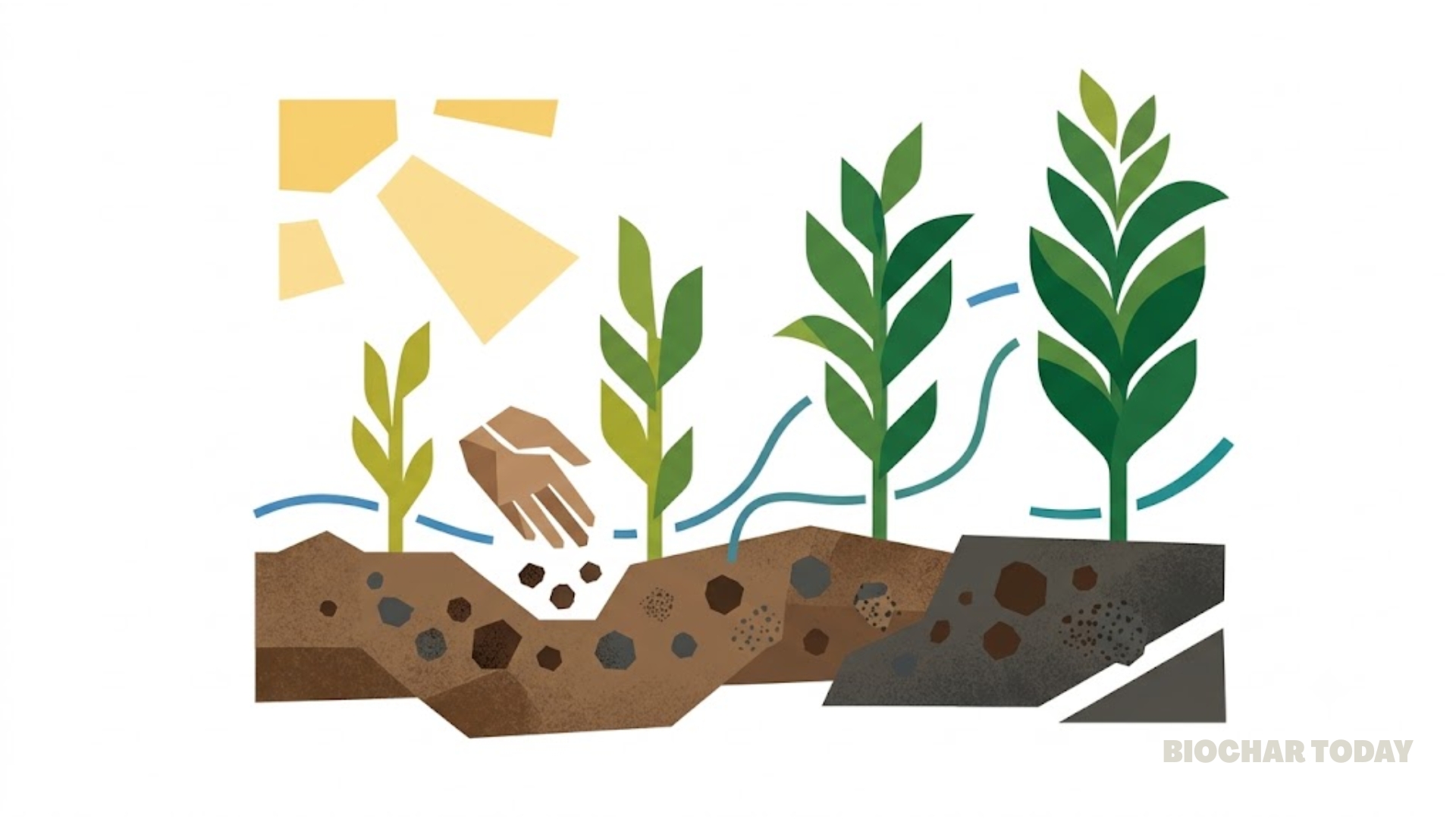
Ultimately, this work changes how we view the lifecycle of biochar in the environment. It shows that biochar is not just a passive filter but a dynamic mediator that reacts and evolves under solar irradiation. The discovery of light-induced dissolution suggests that biochar placed in sunlit water systems continues to become more chemically active over time, rather than just wearing out. This insight provides a dual benefit: it allows for the deliberate design of solar-responsive cleaning agents and helps us better predict how wood-based waste products will influence the movement and transformation of metals in natural ecosystems. By turning pine sawdust into a high-tech tool, this research highlights a path toward cheaper, more efficient, and entirely renewable environmental protection technologies.
Source: Sun, L., Shen, M., Jia, C., Yu, F., Zhang, S., & Zhu, X. (2026). Co-engineering biochar and artificial humic substances: advancing photoreduction performance through structure design. Biochar, 8(12).

Leave a Reply