
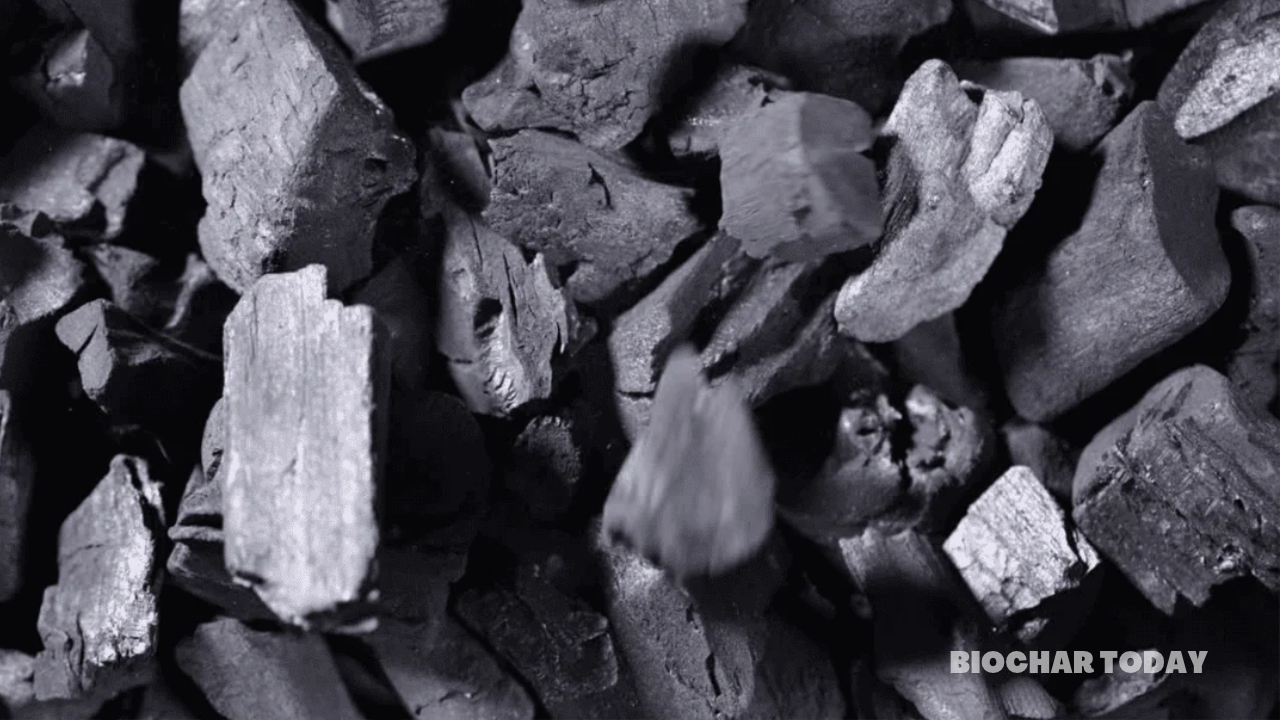
Gold Standard has officially launched its first carbon removal methodology, titled Production and Application for the Removal of Carbon via BiocharBiochar is a carbon-rich material created from biomass decomposition in low-oxygen conditions. It has important applications in environmental remediation, soil improvement, agriculture, carbon sequestration, energy storage, and sustainable materials, promoting efficiency and reducing waste in various contexts while addressing climate change challenges. More (PARC). The framework establishes a standardized accounting protocol designed to evaluate permanent carbon dioxide removal across diverse operational footprints, ranging from small distributed kiln networks to heavy industrial installations. By introducing uniform eligibility rules and comprehensive net-accounting safeguards, the standard aims to streamline credit generation while maintaining institutional integrity across global carbon markets.
Project developers seeking to commercialize biochar carbon removals historically faced structural hurdles stemming from fragmented validation protocols, inconsistent durability metrics, and variable monitoring standards across different operational scales. Smallholder and distributed networks struggled with complex measurement requirements tailored exclusively for industrial setups, whereas larger facilities lacked clear compliance pathways for continuous emissions tracking and digital chain-of-custody verification. Additionally, quantifying long-term carbon stability without uniform baseline requirements introduced significant market uncertainty regarding the permanence and net climate benefit of issued credits.
To resolve these operational and accounting barriers, the PARC methodology introduces a three-track compliance structure matched to project scale and technical complexity. Track 1 governs distributed manual and semi-supervised kilns processing under one tonne of dry biomassBiomass is a complex biological organic or non-organic solid product derived from living or recently living organism and available naturally. Various types of wastes such as animal manure, waste paper, sludge and many industrial wastes are also treated as biomass because like natural biomass these More daily via aggregators; Track 2 addresses mechanized facilities processing between one and 15 tonnes daily; and Track 3 regulates industrial operations exceeding 15 tonnes daily with continuous emissions monitoring. Furthermore, the standard mandates a rigorous net-accounting threshold requiring projects to demonstrate at least five units of stored carbon dioxide for every single unit of activity-generated emission, while enforcing a 200-year minimum permanence baseline.
The implementation of this methodology provides the biochar sector with a transparent, scalable mechanism for high-integrity carbon credit issuance. By accommodating multiple production tiers under a single governance umbrella, the framework enables small-scale and industrial developers alike to secure verifiable market access, mitigate permanence risks through mandatory buffer contributions, and deliver certified carbon removals that satisfy stringent international climate standards.



Leave a Reply