
In Indonesia, the Asosiasi BiocharBiochar is a carbon-rich material created from biomass decomposition in low-oxygen conditions. It has important applications in environmental remediation, soil improvement, agriculture, carbon sequestration, energy storage, and sustainable materials, promoting efficiency and reducing waste in various contexts while addressing climate change challenges. More Indonesia Internasional (ABII) has expanded its collaboration with the Ministry of Environment and international stakeholders to build a credible biochar carbon dioxide removal (CDR) ecosystem. Announced during the COP31 climate conference in Türkiye, the initiative aligns with Indonesia’s Presidential Regulation No. 110 of 2025. By uniting domestic policymakers with international carbon market specialists—including Offset8 Capital, Puro.earth, and BlueLayer—ABII aims to establish policy coordination, quality standards, and transparent governance for Indonesia’s emerging biochar sector.
The expanded partnerships address two primary operational challenges in Indonesia: mitigating the harmful practice of open agricultural crop-burning and integrating decentralized biochar projects into formal carbon markets. Scaling carbon removal in developing agricultural economies requires standardized quality benchmarks, scientific integrity, and reliable Monitoring, Reporting, and Verification (MRV). Without clear regulatory pathways to connect local biomassBiomass is a complex biological organic or non-organic solid product derived from living or recently living organism and available naturally. Various types of wastes such as animal manure, waste paper, sludge and many industrial wastes are also treated as biomass because like natural biomass these More projects with national carbon accounting systems, project developers face barriers in securing institutional investment and international carbon market access.
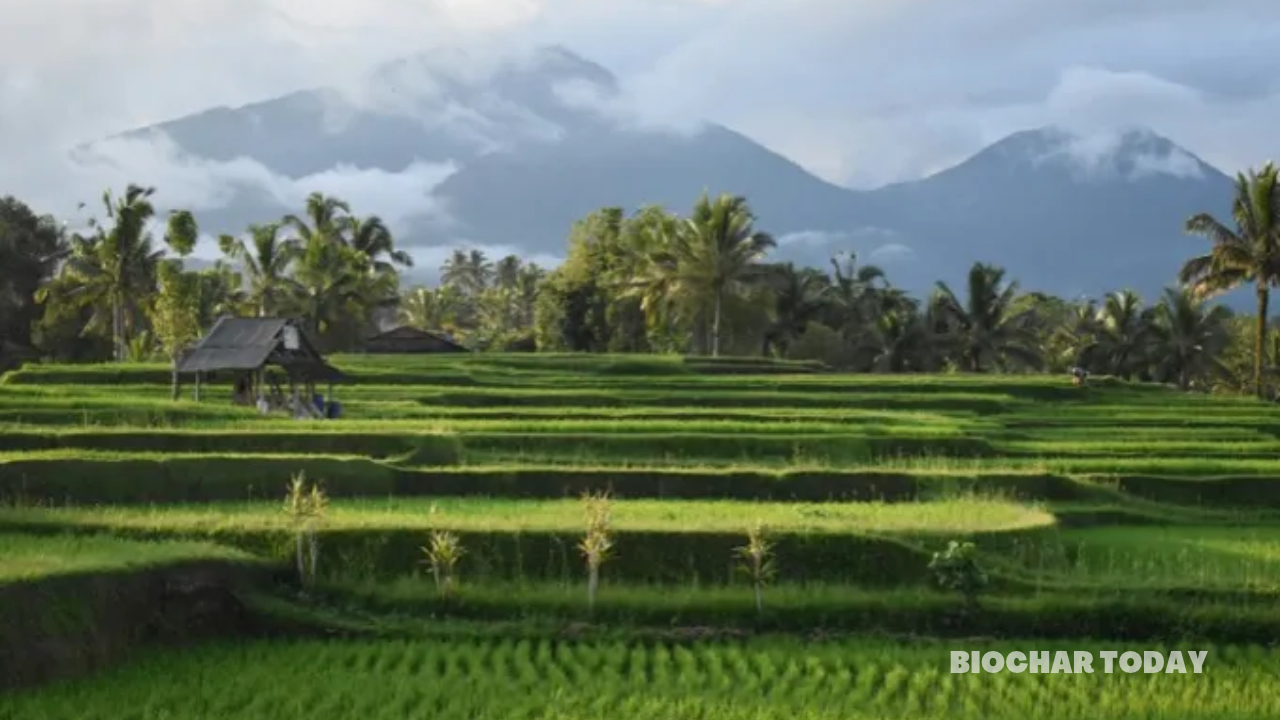
To resolve these structural gaps, ABII is focusing on national sustainability standards, public-private coordination, and digital MRV (dMRV) implementation. A centerpiece of this strategy is the Sawa EcoSolutions pilot project in Majalengka, West Java. Launched in 2022 to curb agricultural crop-burning, the Majalengka initiative combines domestic project development with international expertise in investment, carbon certification, and dMRV software from Offset8 Capital, Puro.earth, and BlueLayer. Through this model, ABII is establishing the technical and regulatory pathways needed to integrate biochar CDR into Indonesia’s national carbon governance framework, including SRUK.
Through these coordinated efforts, ABII and its partners aim to improve the market readiness of Indonesian biochar projects and secure access to global carbon removal buyers. Over the long term, the framework is designed to standardize biochar quality, ensure transparent carbon accounting, and position Indonesia as a competitive supplier in the international carbon removal market.


Leave a Reply