
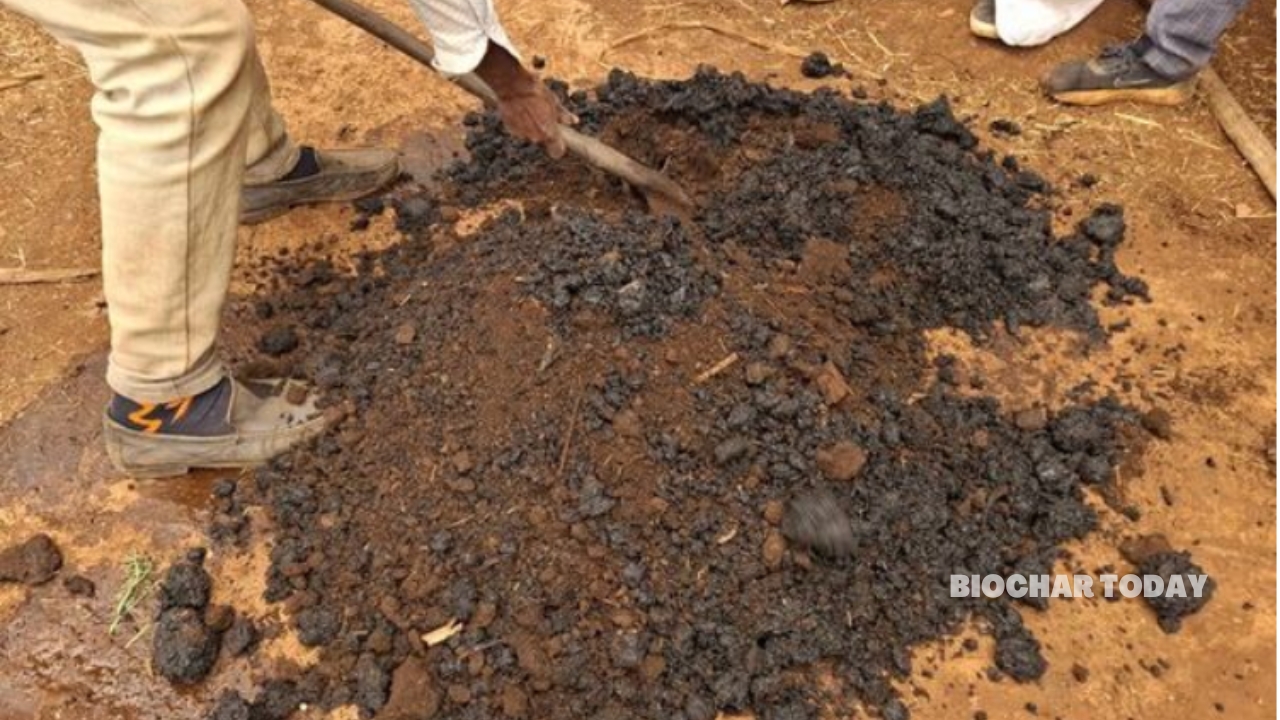
Smallholder farmers in Ethiopia have successfully secured financial compensation through a novel soil carbon sink certification mechanism, marking a historic milestone for the country’s rural agricultural sector. Coordinated by the German BiomassBiomass is a complex biological organic or non-organic solid product derived from living or recently living organism and available naturally. Various types of wastes such as animal manure, waste paper, sludge and many industrial wastes are also treated as biomass because like natural biomass these More Research Centre (DBFZ) and funded by Germany’s Federal Ministry for Economic Cooperation and Development (BMZ), the five-year “ETH-Soil” project recently distributed its first round of payments to nearly 300 participating smallholders. The financial returns stem from the commercial sale of Artisan C-Sink certificates, yielding an average of 1,700 Ethiopian birr (ETB) per farmer for carbon sinks established by 2025. This payout model ensures that at least 60% of total certificate revenues flow directly to rural communities, with the remaining funds allocated to essential technical training, regional data collection, quality control, and formal auditing processes.
The major challenge addressed by the DBFZ and regional agricultural authorities is the acute economic and agronomic vulnerability of smallholders facing severe land degradation and skyrocketing synthetic input costs. Ethiopian highland agricultural zones suffer from severe soil acidification, with typical pHpH is a measure of how acidic or alkaline a substance is. A pH of 7 is neutral, while lower pH values indicate acidity and higher values indicate alkalinity. Biochars are normally alkaline and can influence soil pH, often increasing it, which can be beneficial More values hovering around a critical baseline of 5, which heavily suppresses nutrient uptake and crop productivity. This environmental decline has been historically exacerbated by a systemic reliance on imported chemical fertilizers. Geopolitical supply chain shocks, specifically volatile trade disruptions in the Gulf region and the conflict in Ukraine, exposed local supply chains to dramatic price spikes and severe availability shortages, leaving smallholders without viable options to sustain crop yields or protect thin margins.
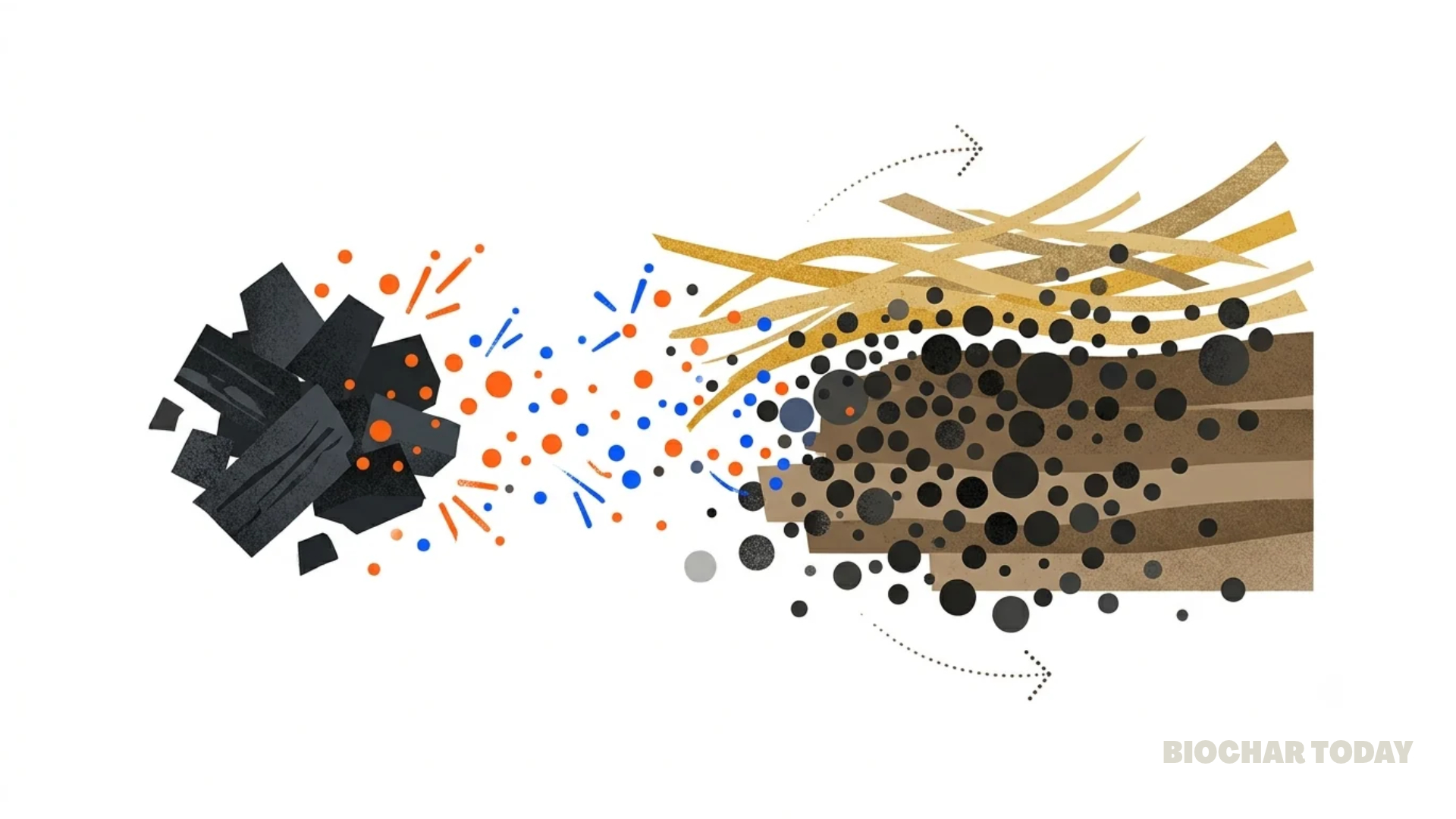
To mitigate these systemic market disruptions, the ETH-Soil project designed and deployed an integrated soil fertility management framework utilizing alkaline biochar-based fertilizers produced locally from enset biomass and organic compost. By converting regional agricultural waste streams into high-stability carbon sinks, the solution effectively replaces expensive imported agricultural lime and synthetic nitrogenous inputs. The porous, sponge-like cellular structure of the applied biocharBiochar is a carbon-rich material created from biomass decomposition in low-oxygen conditions. It has important applications in environmental remediation, soil improvement, agriculture, carbon sequestration, energy storage, and sustainable materials, promoting efficiency and reducing waste in various contexts while addressing climate change challenges. More permanently alters soil physical properties, significantly increasing organic carbon retention while preventing valuable phosphates from leachingLeaching is the process where nutrients are dissolved and carried away from the soil by water. This can lead to nutrient depletion and environmental pollution. Biochar can help reduce leaching by improving nutrient retention in the soil. More during heavy seasonal rainfall. Following successful pilot phases covering approximately 31 hectares of degraded land in the Oromia region, the local government officially integrated the technology into wider regional fertility initiatives backed by the European Union and the World Bank.
The documented agronomic and socioeconomic outcomes of this initiative demonstrate a robust proof-of-concept for localized, climate-smart agricultural interventions. Applying the biochar-based fertilizers successfully elevated the highly acidic soils in the Kofele district from a pH of 5 to a far more productive range between 5.8 and 5.9. Agronomic trials confirmed substantial productivity gains over traditional synthetic applications, yielding an 11% to 30% increase for core cereal crops like wheat, barley, maize, and teff, and a 9% to 68% surge for high-value bean and potato yields. Economically, the combined impact of reduced input expenditures, higher volume market yields, and direct carbon certificate revenues has materially strengthened smallholder financial resilience while creating a scalable blueprint for domestic nutrient recycling.



Leave a Reply