
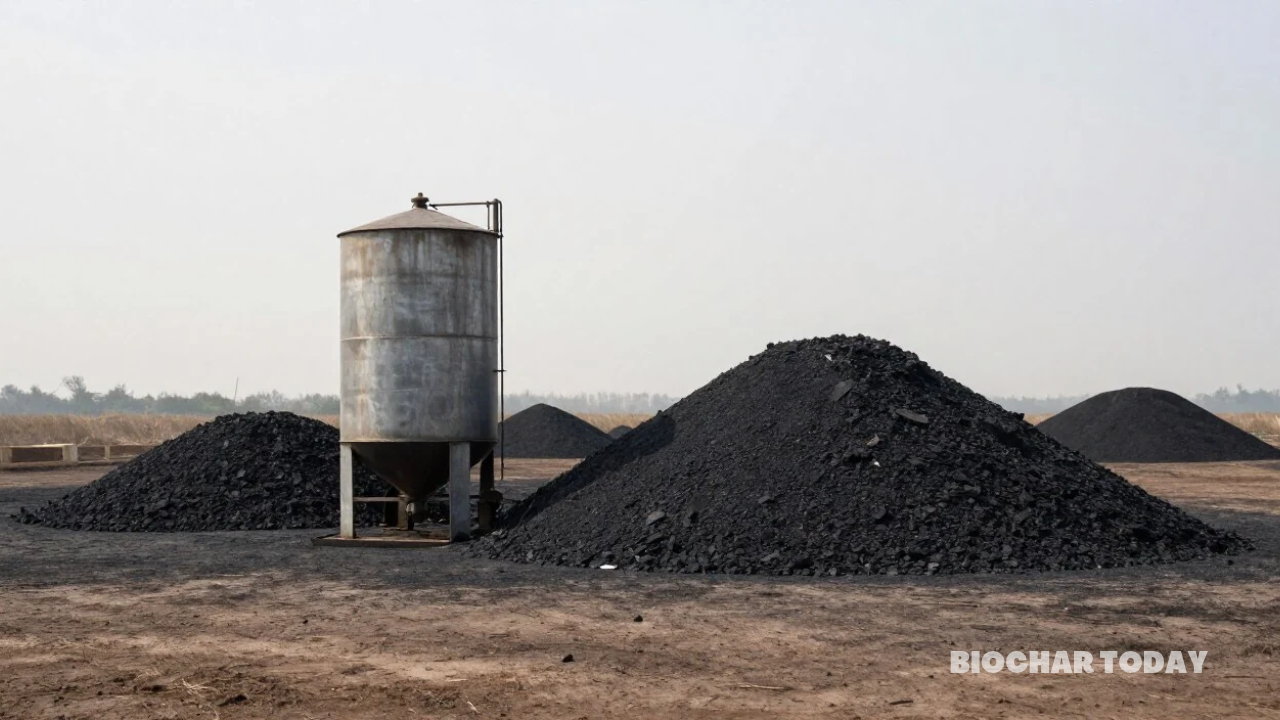
On November 22, 2026, in the United States, Philadelphia-based Datavault AI Inc. announced a global commercial agreement with biocharBiochar is a carbon-rich material created from biomass decomposition in low-oxygen conditions. It has important applications in environmental remediation, soil improvement, agriculture, carbon sequestration, energy storage, and sustainable materials, promoting efficiency and reducing waste in various contexts while addressing climate change challenges. More producer Biochar Now to tokenize and distribute verified carbon removal credits. Under the deal, Biochar Now will compensate Datavault AI for tokenization technology, marketing services, and buyer distribution linked to U.S. Patent No. 12,443,977 and related pending applications. Neither company disclosed financial terms or accepted project volumes at the time of the announcement.
The agreement addresses credibility, verification, and market-access challenges facing carbon markets. Corporate buyers increasingly scrutinize offset claims and demand verified, insured carbon removal assets rather than unverified offsets. At the same time, technology and data firms seek commercial pathways to turn intellectual property into revenue, while carbon project developers need structured distribution channels to reach prospective buyers without sacrificing quality controls.
To meet these requirements, the partnership pairs Datavault AI’s tokenization and marketing infrastructure with Biochar Now’s verification and risk-management framework. Eligible carbon credits generated through Biochar Now’s operations undergo third-party verification and are tracked via Biochar Now’s proprietary Insured Carbon system. Insurance coverage for qualifying credits is provided through a captive insurer owned by Biochar Now, creating a defined eligibility standard prior to tokenization and distribution.
For the biochar carbon removal sector, the agreement extends credit tokenization into durable carbon removal while tying commercial eligibility to third-party verification and insurance. However, near-term commercial impact remains unproven because financial terms and accepted credit volumes were not disclosed, and credit valuations were not addressed. Future commercial activity will depend on whether licensee projects satisfy verification, insurance, and onboarding requirements and secure buyer demand. Observers should evaluate the partnership’s progress on executed volumes and disclosed commercial performance rather than the announcement alone.



Leave a Reply