
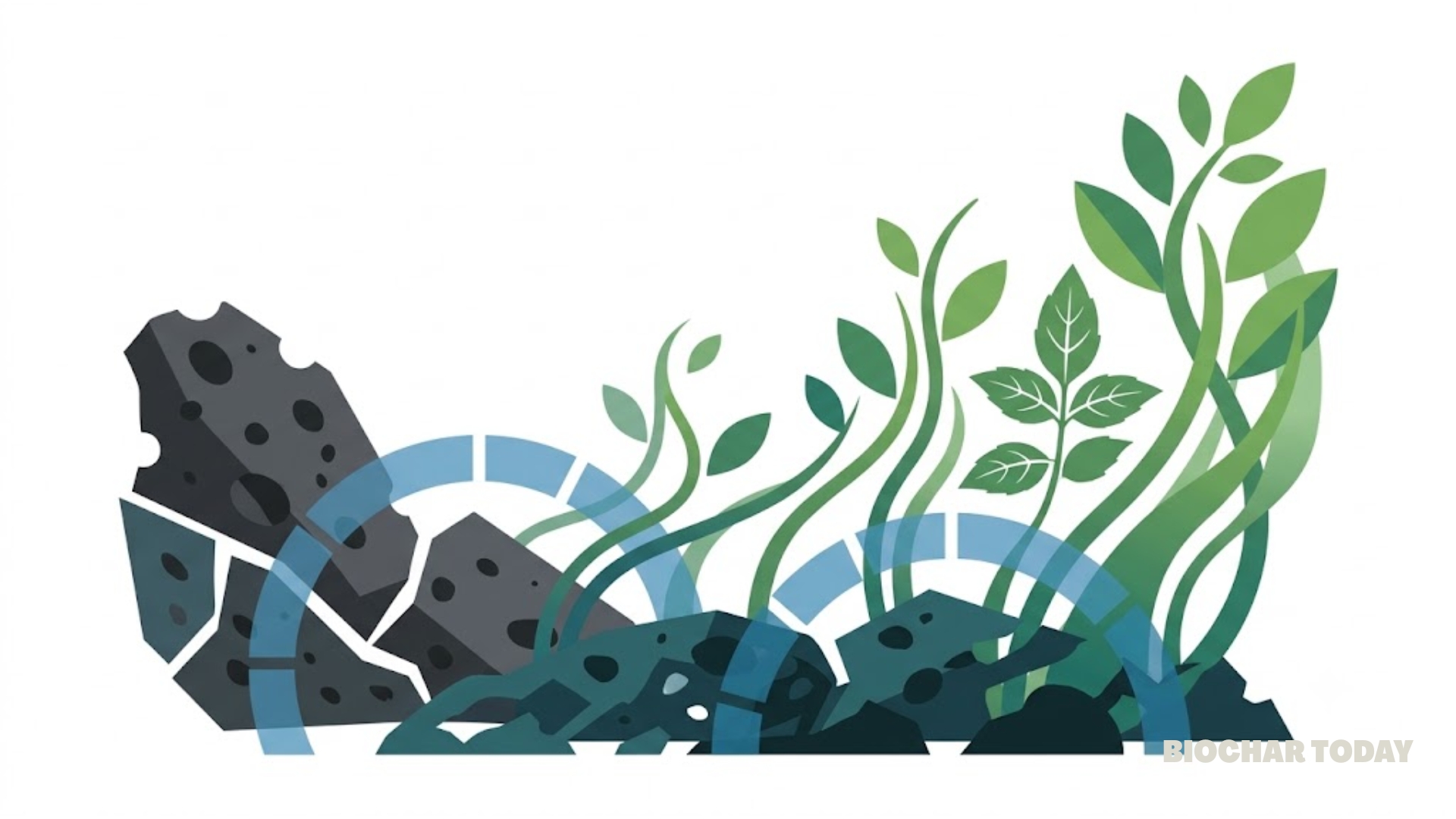
Research into Amazonian dark earth—known as terra pretaTerra preta, meaning “black earth” in Portuguese, is a type of highly fertile soil found in the Amazon Basin. It is characterized by its high biochar content, which contributes to its long-term fertility and ability to support productive agriculture More—is shaping modern soil management through the development of biocharBiochar is a carbon-rich material created from biomass decomposition in low-oxygen conditions. It has important applications in environmental remediation, soil improvement, agriculture, carbon sequestration, energy storage, and sustainable materials, promoting efficiency and reducing waste in various contexts while addressing climate change challenges. More technologies aimed at scaling sustainable agricultural practices. In Brazil, public research institute Embrapa Meio Ambiente is conducting experiments to adapt the carbon storage and soil fertility characteristics of ancient Indigenous soil management into commercial agricultural inputs. By analyzing the structural properties of ancient black carbon deposits, public scientists are seeking to develop scalable alternatives to conventional chemical fertilizers for tropical farming systems.
Transitioning biochar from laboratory trials to commercial agricultural application faces significant operational hurdles in tropical regions. Brazilian agricultural systems often rely on imported chemical input packages that are ill-suited for long-term soil health, leading to degraded land and high input costs. Furthermore, commercializing biochar requires overcoming steep production costs, determining precise application rates across variable soil types, and establishing clear regional regulatory frameworks to govern large-scale distribution.
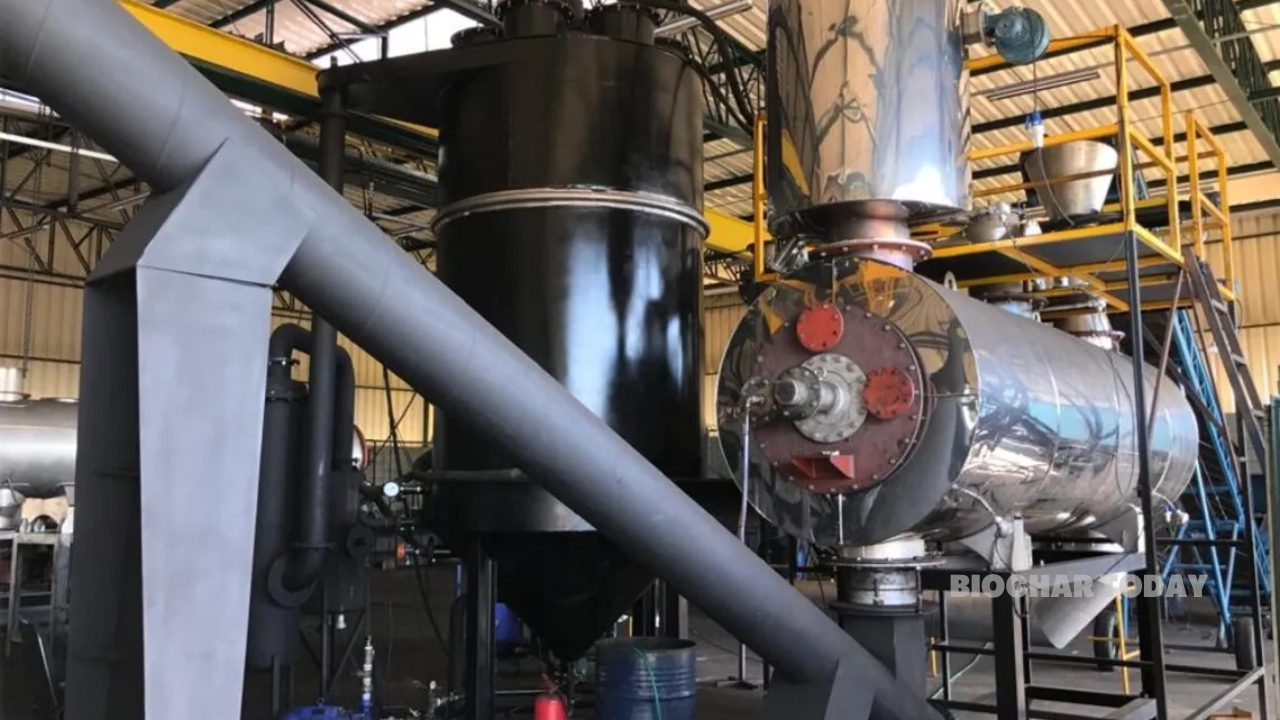
To address these technical and economic barriers, Embrapa researcher Cristiano Alberto de Andrade evaluated various biomassBiomass is a complex biological organic or non-organic solid product derived from living or recently living organism and available naturally. Various types of wastes such as animal manure, waste paper, sludge and many industrial wastes are also treated as biomass because like natural biomass these More feedstocks under controlled pyrolysis conditionsThe conditions under which pyrolysis takes place, such as temperature, heating rate, and residence time, can significantly affect the properties of the biochar produced. More. The institute determined that rapid pyrolysisPyrolysis is a thermochemical process that converts waste biomass into bio-char, bio-oil, and pyro-gas. It offers significant advantages in waste valorization, turning low-value materials into economically valuable resources. Its versatility allows for tailored products based on operational conditions, presenting itself as a cost-effective and efficient More at temperatures below 400∘C yielded optimal biochar for agricultural applications, subsequently using the material to engineer enriched nitrogen, potassium, and phosphorus fertilizers. Lacking internal manufacturing infrastructure, Embrapa partnered with industrial processor Oxyon. Operating out of Mogi Mirim, São Paulo, Oxyon processes approximately 120 metric tons of agricultural residues monthly—primarily sourcing rice husks from local farms within a 20-kilometer radius—to convert regional biomass waste into standardized soil amendments.
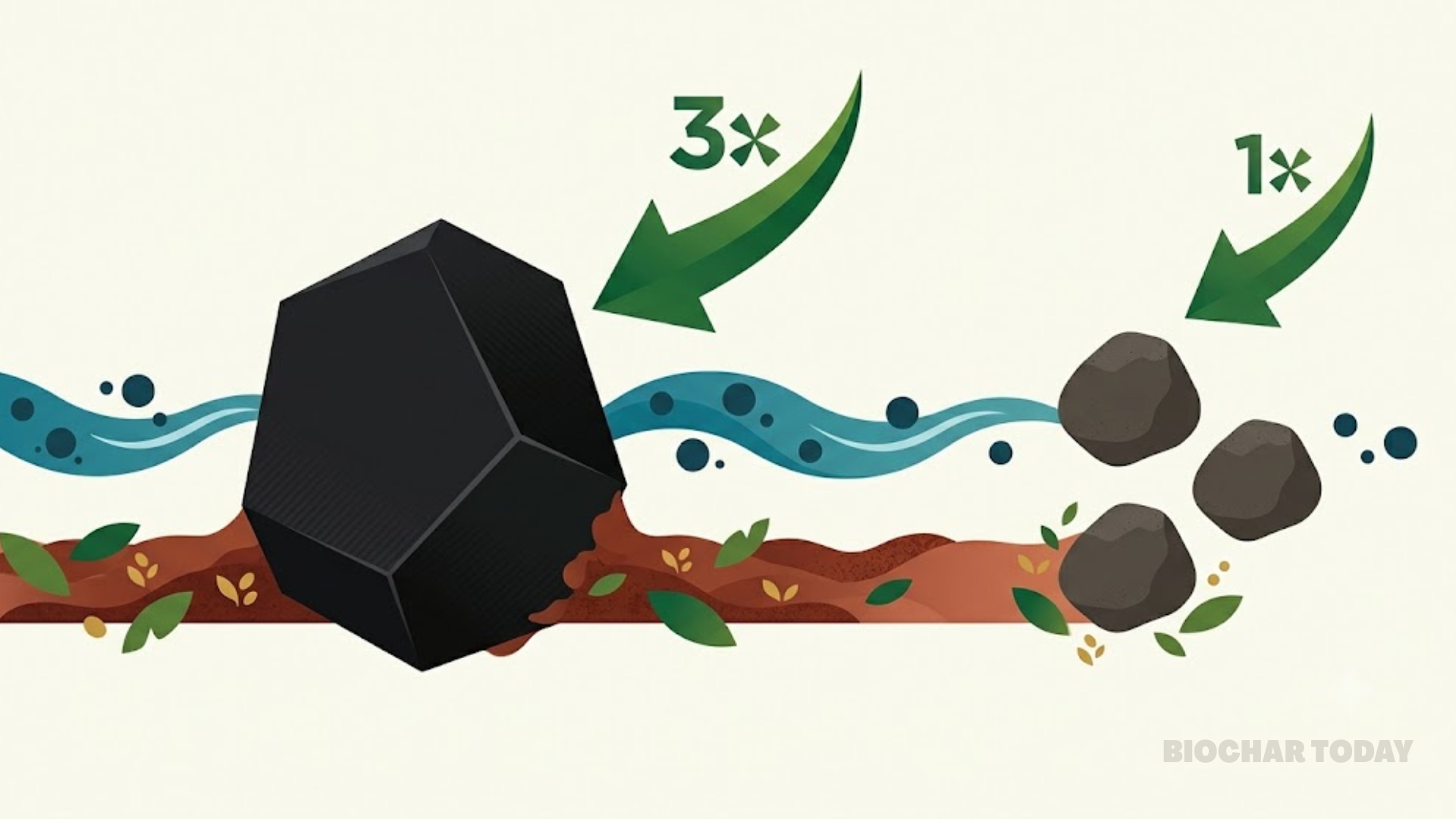
The research collaboration demonstrates how pyrolyzed agricultural residues can enhance tropical farming efficiency while reducing dependency on synthetic inputs. By pairing low-temperature pyrolysis with local feedstockFeedstock refers to the raw organic material used to produce biochar. This can include a wide range of materials, such as wood chips, agricultural residues, and animal manure. More supply chains, the initiative establishes a framework for integrating high-durability carbon into long-term agricultural systems, particularly for perennial crops like coffee. Beyond agronomic yield improvements and enhanced moisture retention, the deployment of standardized biochar provides a scalable mechanism for permanent soil carbon sequestration across Brazilian agriculture.


Leave a Reply