
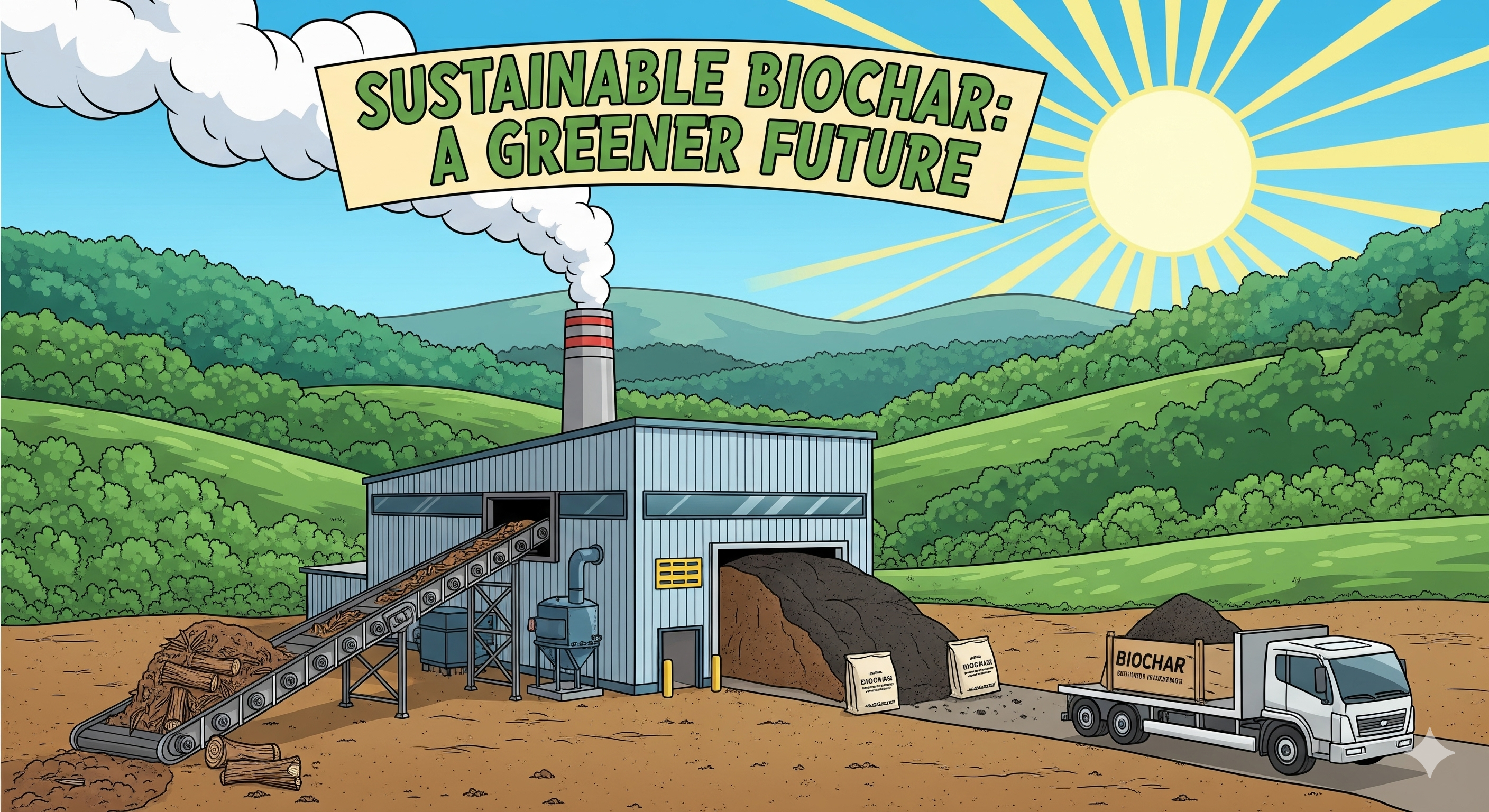
Douglas County, Colorado, is making headlines in the sustainability sector with a pioneering new project. The county recently celebrated the groundbreaking of their biocharBiochar is a carbon-rich material created from biomass decomposition in low-oxygen conditions. It has important applications in environmental remediation, soil improvement, agriculture, carbon sequestration, energy storage, and sustainable materials, promoting efficiency and reducing waste in various contexts while addressing climate change challenges. More and waste diversion facility in Sedalia, a significant step toward addressing both wildfire risk and climate change. This initiative is noteworthy as it represents the first county-owned and operated facility of its kind in the United States, positioning Douglas County as a leader in innovative waste management solutions.
The facility, with a projected completion in spring 2026, will utilize a process called pyrolysisPyrolysis is a thermochemical process that converts waste biomass into bio-char, bio-oil, and pyro-gas. It offers significant advantages in waste valorization, turning low-value materials into economically valuable resources. Its versatility allows for tailored products based on operational conditions, presenting itself as a cost-effective and efficient More to convert wood and plant waste into a highly beneficial carbon product: biochar. This method involves heating biomassBiomass is a complex biological organic or non-organic solid product derived from living or recently living organism and available naturally. Various types of wastes such as animal manure, waste paper, sludge and many industrial wastes are also treated as biomass because like natural biomass these More at extremely high temperatures in an oxygen-free environment, effectively locking carbon away and preventing its release into the atmosphere. The county has approved up to $3 million for the facility’s construction, demonstrating a substantial commitment to this forward-thinking project.
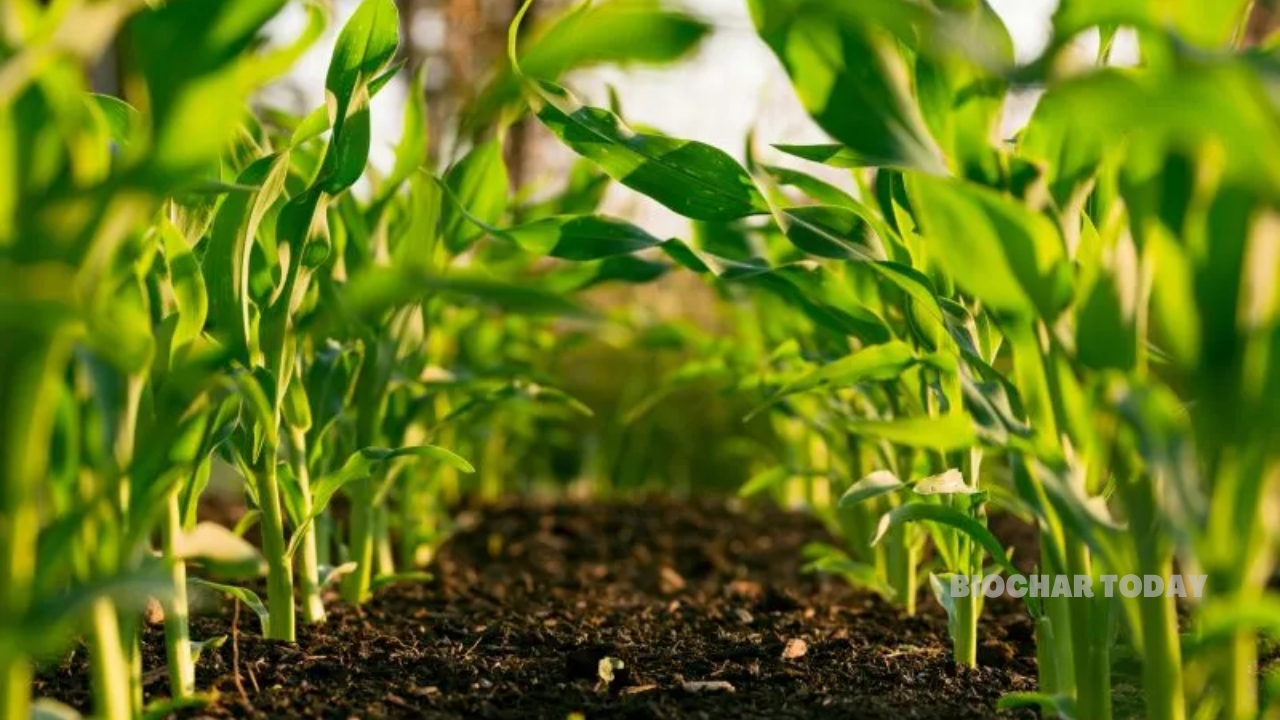
The biochar produced will have multiple applications and benefits. Beyond its primary role in sequestering carbon, biochar enhances soil health, improves water retention, and can be used to remove harmful pollutants from water sources. The product is not only environmentally valuable but also economically promising. Revenue generated from the sale of biochar is projected to be substantial enough to potentially pay for the entire facility in nine years or less. This model highlights the financial viability of sustainable infrastructure projects.
The facility’s immediate focus is on woody biomass from fire mitigation efforts, but there are plans for future expansion to process other waste streams, including hazardous household chemicals and electronics. This scalable approach underscores the long-term vision of the project, establishing it as a foundational piece of Douglas County’s broader waste and sustainability strategy.
SOURCE: Douglas County Breaks Ground on Biochar Facility


Leave a Reply