

A recent study published in Scientific Reports by Yang et al. explored how biocharBiochar is a carbon-rich material created from biomass decomposition in low-oxygen conditions. It has important applications in environmental remediation, soil improvement, agriculture, carbon sequestration, energy storage, and sustainable materials, promoting efficiency and reducing waste in various contexts while addressing climate change challenges. More and nitrogen fertilizer affect soil health. The research focused on irrigated wheat fields in northern Xinjiang, China, examining the impact of these additives on carbon dioxide (CO2) emissions, microbial communities, and soil organic carbon (SOC) content over three years. The study reveals that while biochar enhances soil carbon storage, it also leads to increased CO2 emissions, likely due to changes in soil microbial activity.
The research compared eight different treatment groups, including a control group, nitrogen fertilizer-only groups, biochar-only groups, and groups with combined applications of both. The combined application of biochar and nitrogen fertilizer generally increased active organic carbon (AOC) and SOC. Specifically, the combined treatment with a 15% reduction in nitrogen fertilizer showed the highest increases in SOC and AOC. However, this combined application also resulted in a 9-48% increase in cumulative CO2 emissions compared to the control group.
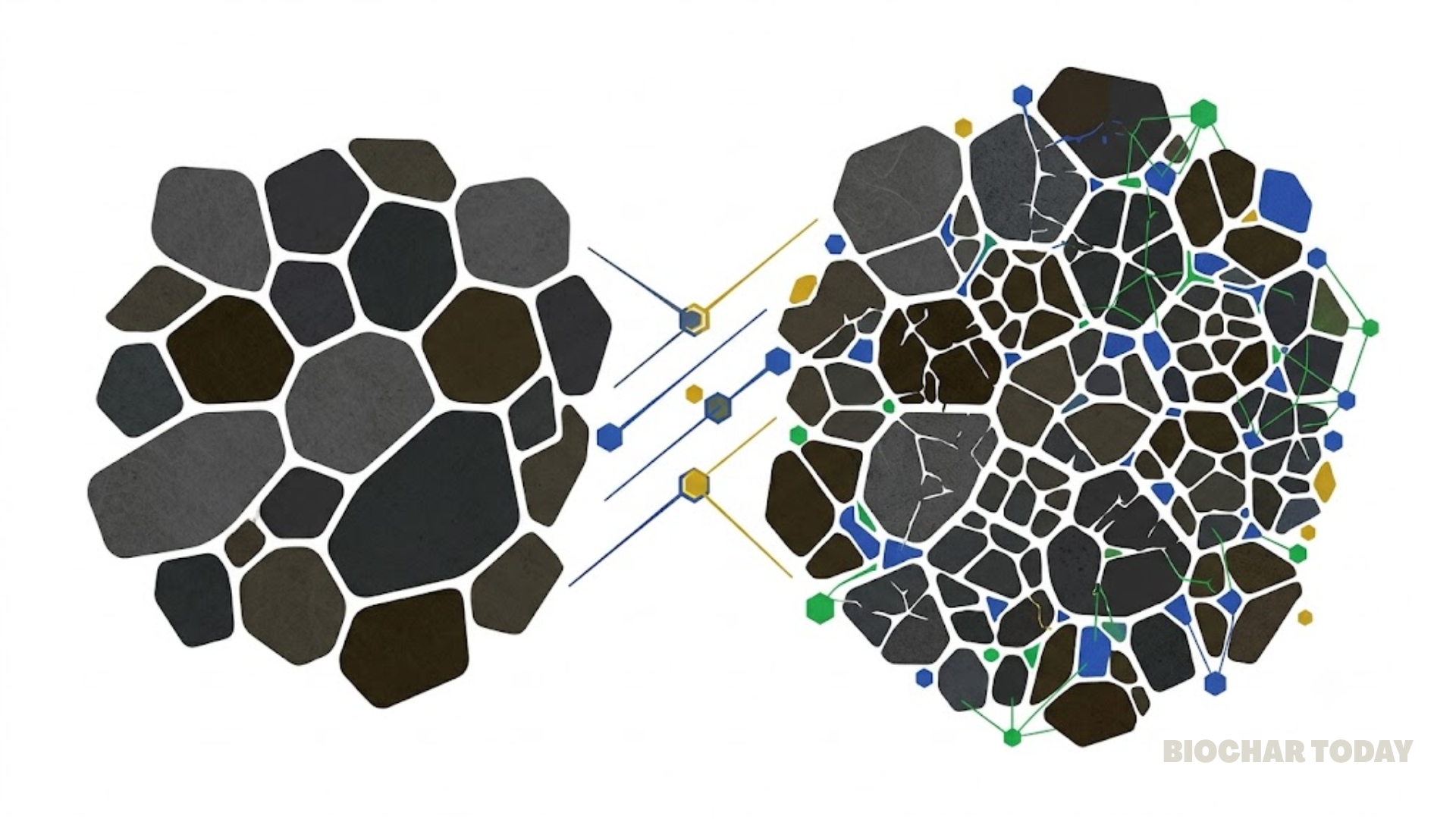
Biochar application also influenced soil microbial communities. The combined application groups showed higher microbial functional diversity than the biochar-only group. Additionally, biochar reduced soil bulk density, an effect that was counteracted when combined with nitrogen fertilization.
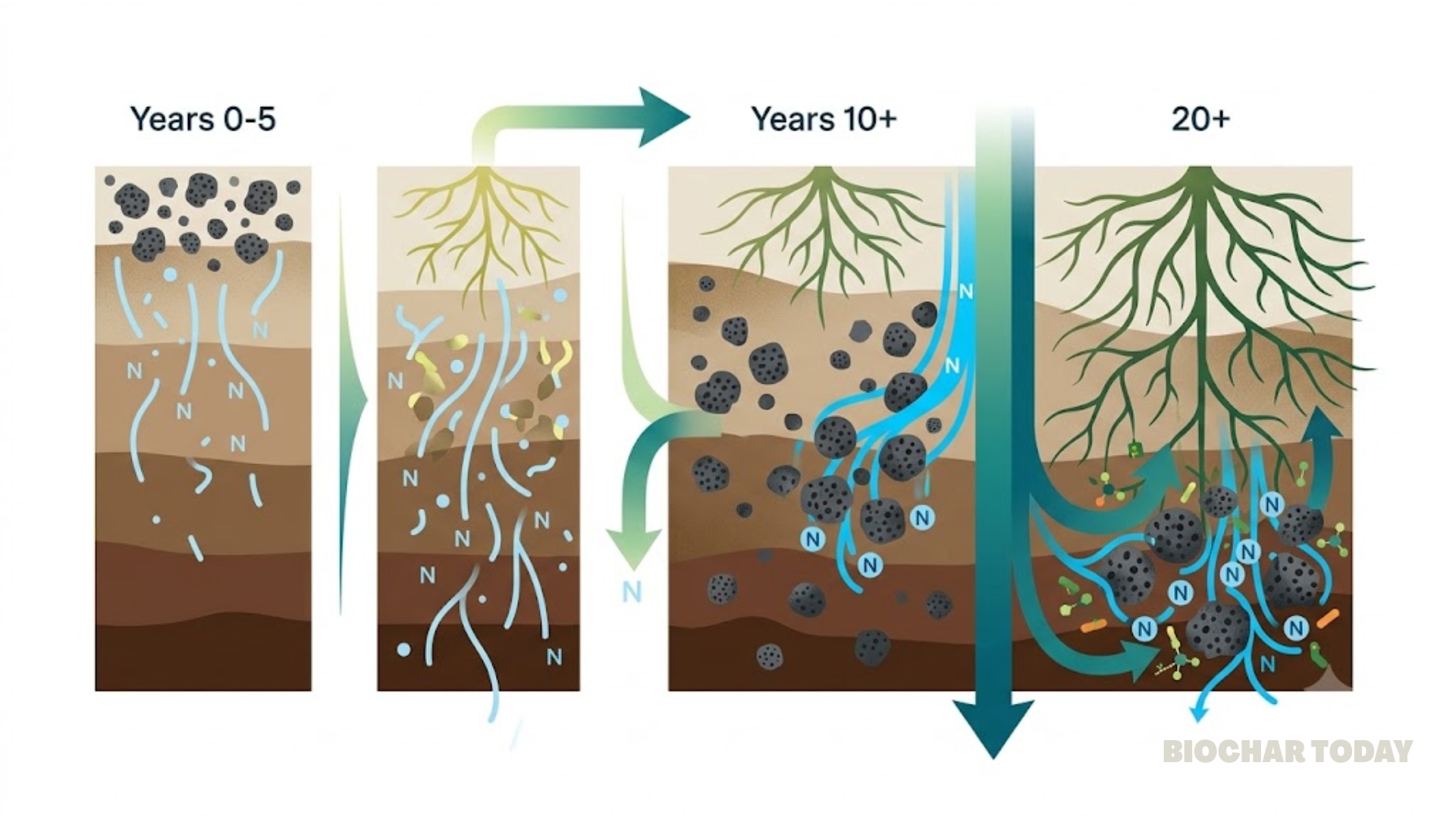
These findings suggest that while biochar can be an effective tool for enhancing carbon sequestration in soil, it is important to consider its effects on CO2 emissions and microbial dynamics. The study concludes that combining biochar with reduced nitrogen fertilizer application can be a favorable strategy for increasing SOC while mitigating carbon emissions in irrigated wheat fields. Further research is needed to fully understand the long-term implications of this practice on soil health and sustainability.
SOURCE: Yang, W., Zhang, L., Wang, Z., Zhang, J., Li, P., & Su, L. (2025). Effects of biochar and nitrogen fertilizer on microbial communities, CO2 emissions, and organic carbon content in soil. Scientific Reports, 15, 9789.



Leave a Reply