
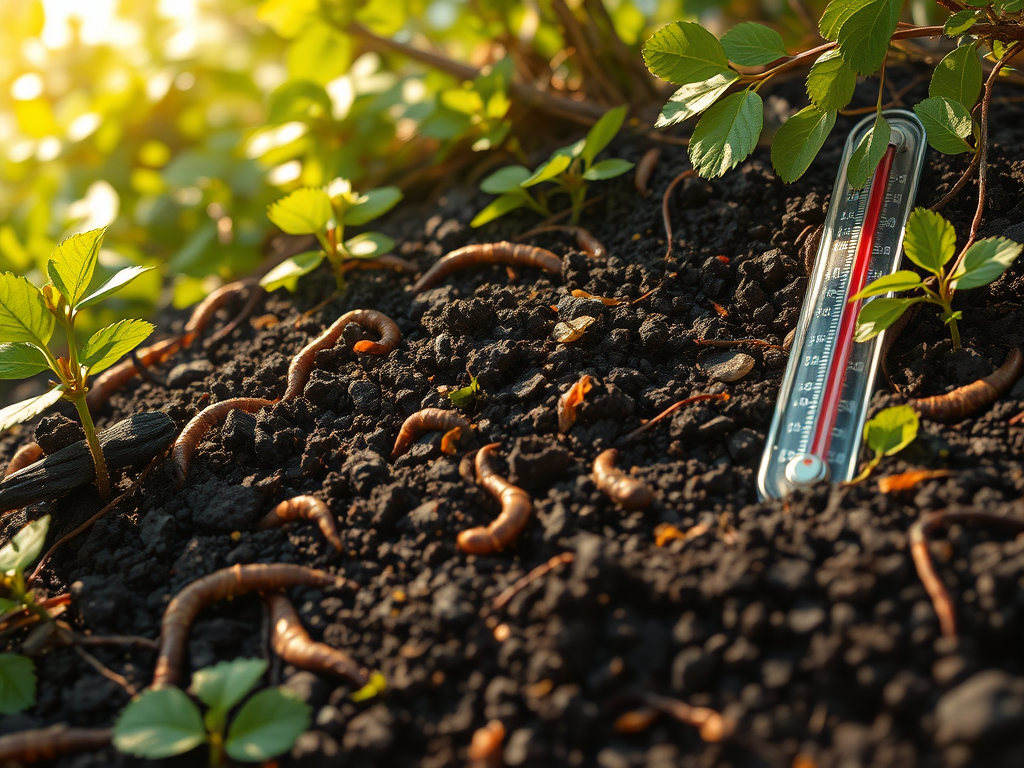
Managing municipal solid waste (MSW)Municipal Solid Waste (MSW) is the everyday trash or garbage produced by households and businesses. It includes a variety of materials, such as food scraps, paper, plastics, and yard waste. MSW forms a potential feedstock category for biochar production provided that it should be free More is a growing challenge, with billions of tons generated annually. Composting is a sustainable alternative to landfilling, but improving its efficiency remains a priority. A recent study by Tahsini et al., in BiocharBiochar is a carbon-rich material created from biomass decomposition in low-oxygen conditions. It has important applications in environmental remediation, soil improvement, agriculture, carbon sequestration, energy storage, and sustainable materials, promoting efficiency and reducing waste in various contexts while addressing climate change challenges. More explores the use of microbial-inoculated biochar to accelerate composting and enhance the quality of the final product.
Biochar, a carbon-rich material produced from biomassBiomass is a complex biological organic or non-organic solid product derived from living or recently living organism and available naturally. Various types of wastes such as animal manure, waste paper, sludge and many industrial wastes are also treated as biomass because like natural biomass these More, is already valued for improving soil health and reducing greenhouse gas emissions. However, its role in composting is still being investigated. In this study, the researchers tested biochar inoculated with microbial consortia—naturally occurring bacteria and fungi from composting environments—to stimulate microbial activity and speed up decomposition.
The results were promising. Compost piles amended with inoculated biochar reached higher temperatures (up to 65°C), indicating enhanced microbial activity. These piles also demonstrated faster organic matter breakdown (up to 66% reduction) and better compost maturity, as shown by carbon-to-nitrogen (C/N) ratios of 10–11. Additionally, biochar-enriched compost had a higher germination index (GI = 100), meaning it was safer and more beneficial for plant growth. The researchers also found lower pathogen levels, ensuring compliance with agricultural safety standards.
Despite these advantages, some challenges remain. The cost and complexity of microbial inoculation may limit large-scale application. Further research is needed to optimize biochar production methods, assess economic feasibility, and evaluate long-term effects on soil health.
This study highlights biochar’s potential to make composting faster, cleaner, and more efficient, offering a sustainable way to manage organic waste. If widely adopted, microbial-inoculated biochar could revolutionize composting, reducing reliance on chemical fertilizers and improving soil quality.
Tahsini, M. J., Nikaeen, M., Mohammadi, F., Taghipour, A., Tahmasebi, M., & Nafez, A. H. (2025). Composting of municipal solid waste with microbial-inoculated biochar amendment: Impact on process and end-product quality. Biochar, 7(25). https://doi.org/10.1007/s42773-025-00426-6




Leave a Reply