
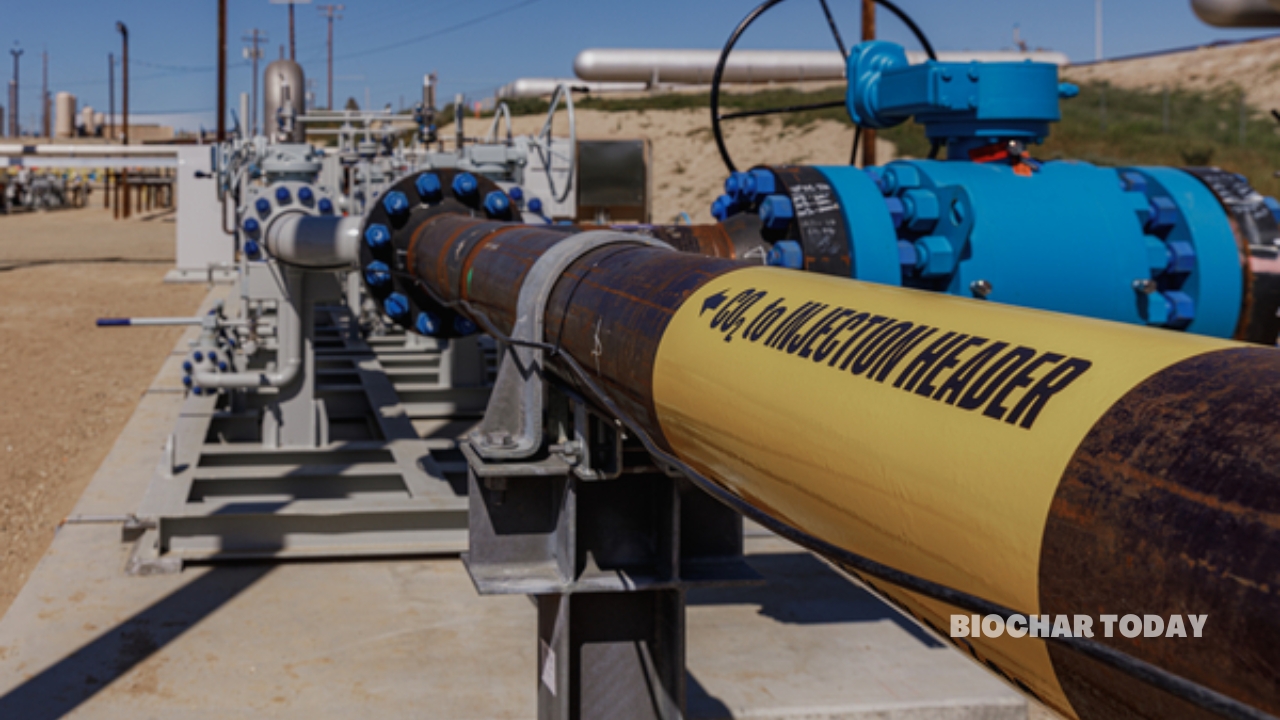
The California Air Resources Board (CARB) has initiated the public review process for its initial draft rules regulating technologies that capture, remove, utilize, and store carbon dioxide. Mandated under Senate Bill 905, a 2022 state law, CARB is charged with establishing a framework to oversee project permitting, monitoring, and financial responsibility across the state. While oil and gas companies view the deployment of these technologies as vital to mitigating industrial emissions within the United States, environmental advocacy groups have expressed significant opposition, cautioning that the framework could inadvertently subsidize risky infrastructure and prolong reliance on fossil fuels.
The primary challenge addressed by the regulatory agency involves stabilizing a nascent carbon-removal market while managing intense public and commercial friction. Following recent losses of federal grant funding, carbon-removal developers require clear, reliable state-level guidelines to secure private investments and verify carbon assets. However, CARB must balance this economic pressure against fierce resistance from environmental organizations, which contend that the proposed regulatory framework focuses too narrowly on conventional methods and risks exacerbating localized pollution if industrial facilities are permitted to extend their operational lifespans.
To resolve these competing interests and fulfill its statutory mandate, CARB developed a comprehensive draft framework that aims to formalize the oversight of carbon removal, utilization, and geologic storage. In response to the initial draft, carbon-removal companies, water agencies, fuel interests, and project registries submitted formal feedback urging the regulatory body to look beyond conventional deep geologic storage in underground rock formations. These industry stakeholders advocate for the formal inclusion of emerging, scalable carbon-removal methodologies within the official rulebook—specifically highlighting biocharBiochar is a carbon-rich material created from biomass decomposition in low-oxygen conditions. It has important applications in environmental remediation, soil improvement, agriculture, carbon sequestration, energy storage, and sustainable materials, promoting efficiency and reducing waste in various contexts while addressing climate change challenges. More, bio-oil, enhanced weathering, and marine carbon removal as viable solutions.
The ultimate outcome of CARB’s regulatory proceedings remains under active debate as the agency synthesizes stakeholder input. Representatives from the carbon-removal sector and associated carbon registries project that expanding the rules to formally validate alternative pathways like biochar will diversify market options and lower compliance costs for industrial emitters. Conversely, fossil fuel entities continue to lobby for the elimination of duplicative state reporting requirements, while environmental critics maintain their scrutiny over the structural safety and long-term equity implications of the finalized rulebook.




Leave a Reply