
Key Takeaways
- Treating plant waste with limewater significantly increases the amount of carbon kept in the final biocharBiochar is a carbon-rich material created from biomass decomposition in low-oxygen conditions. It has important applications in environmental remediation, soil improvement, agriculture, carbon sequestration, energy storage, and sustainable materials, promoting efficiency and reducing waste in various contexts while addressing climate change challenges. More.
- This method creates a protective mineral shield that stops carbon from escaping into the air as greenhouse gases.
- The process results in a biochar with a much larger surface area, which helps it hold onto nutrients better.
- Using limewater is a cheap and easy way for farmers to make high-quality biochar directly in their fields.
- This technique helps fight climate change by locking more carbon into the soil for a longer time.
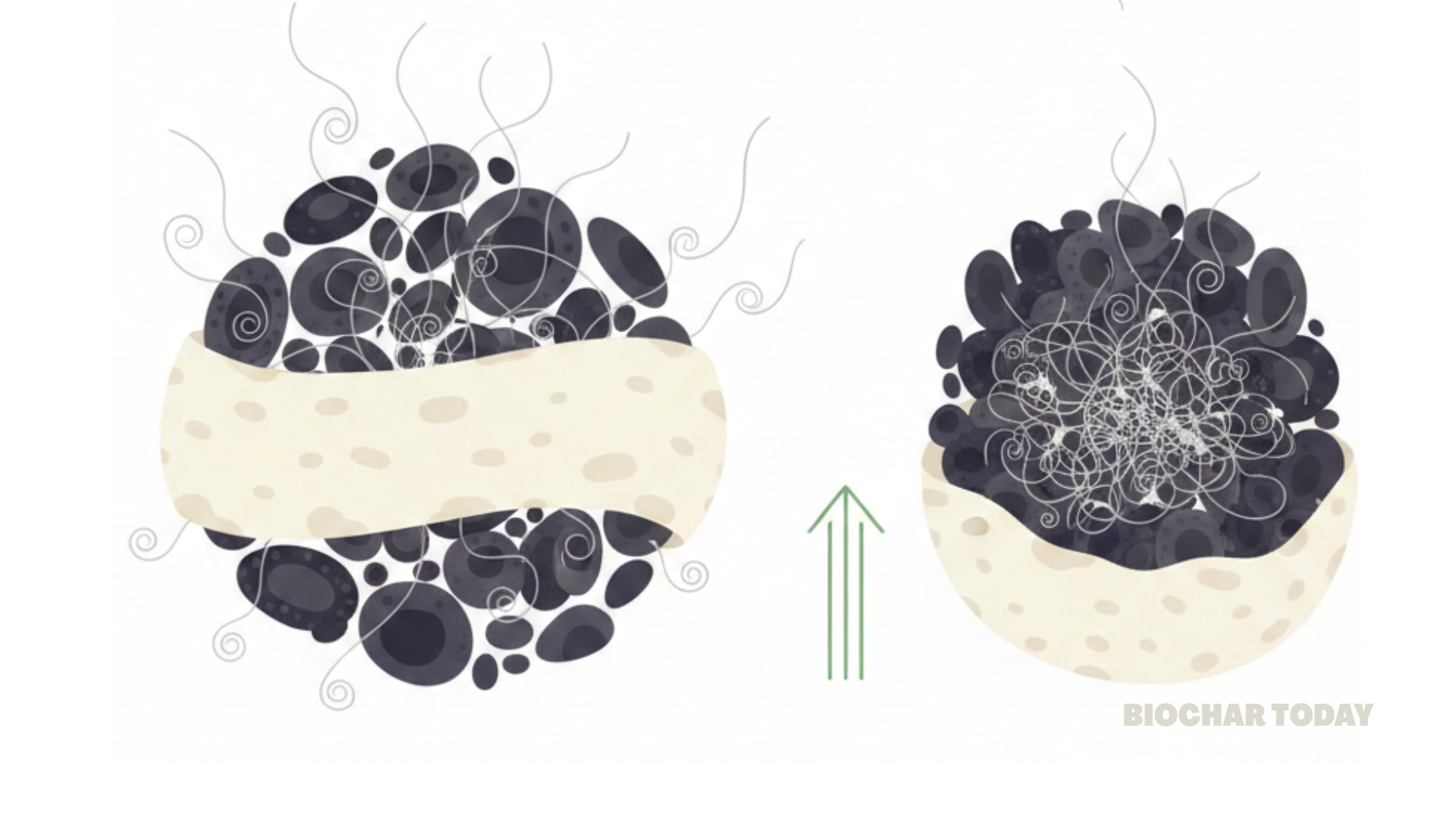
Biochar made from organic waste that has the potential to help the environment by storing carbon in the soil for hundreds of years. However, making high-quality biochar usually requires expensive machines that keep oxygen away during the heating process. A recent study published in the journal Biochar by Liang Xiao and his team introduces a much simpler and cheaper way to produce high-quality biochar from Litchi branches using a method they call water-fire interaction. By using common limewater to coat the wood before it is burned, the researchers found they could create a natural shield that mimics expensive industrial equipment.
The researchers discovered that when Litchi branches were soaked in limewater and then coated again after being heated, the amount of carbon retained in the biochar jumped from 52 percent to 86 percent. This is a major improvement because it means more of the plant material is turned into stable carbon rather than being lost to the atmosphere as carbon dioxide. The limewater works by forming a thin layer of calcium carbonate on the surface of the wood. This layer acts like a tiny wall that keeps oxygen out and prevents the carbon from burning away into ashAsh is the non-combustible inorganic residue that remains after organic matter, like wood or biomass, is completely burned. It consists mainly of minerals and is different from biochar, which is produced through incomplete combustion. Ash Ash is the residue that remains after the complete More. The study showed that the ash content actually decreased when limewater was used, proving that more of the material was becoming useful biochar instead of waste.
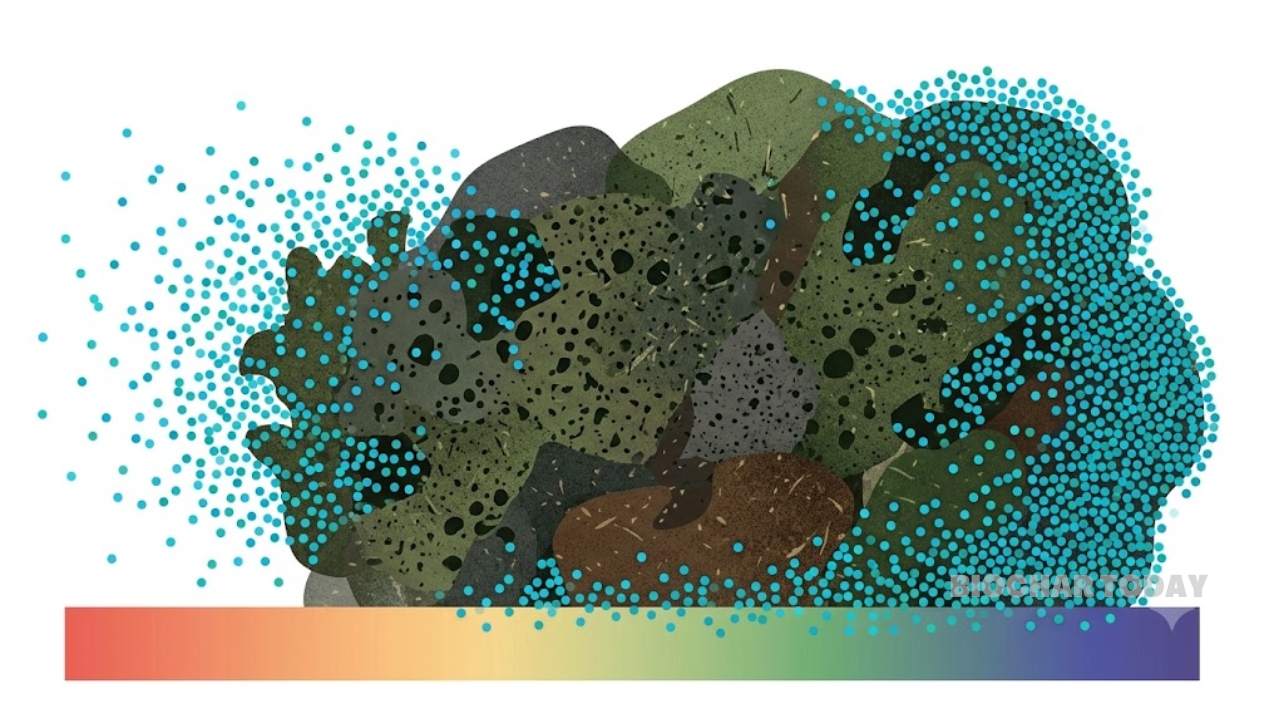
Beyond just saving more carbon, the limewater treatment also greatly improved the physical structure of the biochar. The surface area of the biochar, which is important for holding water and nutrients in the soil, increased from about 26 square meters per gram to over 280 square meters per gram. This massive increase in surface area happened because the calcium in the limewater helped create a more complex and porous internal structure during the heating process. The calcium ions also bonded with the carbon to create stable complexes that are more resistant to breaking down over time. This means the biochar will stay in the soil longer, providing benefits to plants and the environment for many years.
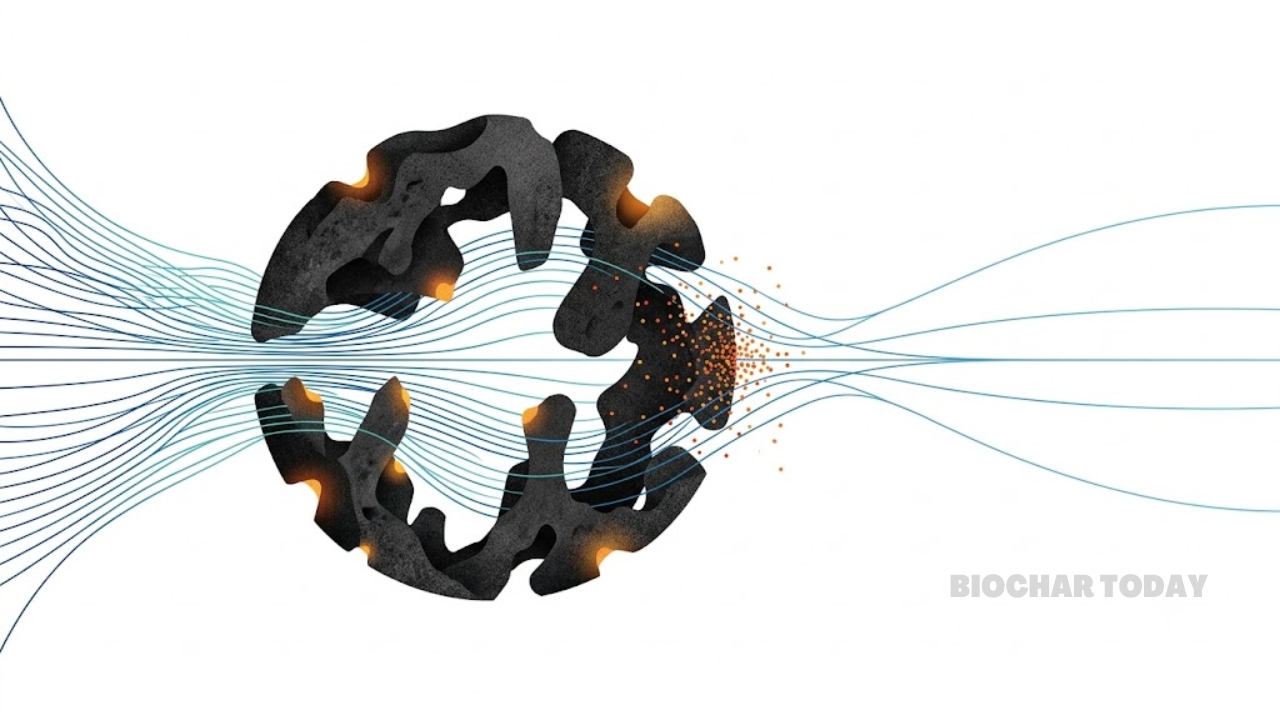
The researchers also looked closely at the chemistry of the biochar and found that the limewater treatment increased the number of beneficial chemical groups on its surface. These groups help the biochar interact with soil nutrients and pollutants, making it more effective for farming and cleaning up the environment. By using a simple quenching process where the hot char is sprayed with limewater, the team was able to stop the burning at just the right moment to preserve these delicate chemical features. This rapid cooling, combined with the protective calcium coating, ensures that the final product is a high-grade biochar that meets international standards.
This new method is particularly exciting because it can be done right in the field without the need for complex factories. Farmers can use locally available Litchi branches and inexpensive limewater to produce a valuable soil additive that also helps the planet. The study demonstrates that we do not always need high-tech solutions to solve environmental problems. By understanding the natural interaction between minerals like calcium and the carbon in plants, we can develop practical tools for carbon sequestration that are accessible to everyone. This research opens the door for large-scale biochar production that is both economically viable and environmentally friendly.
Source: Xiao, L., Li, W., Wu, J., Li, Y., Yuan, G., Wang, Y., Xu, Q., Feng, L., Hao, X., & Han, F. X. (2026). Enhanced carbon retention in Litchi biochar via in-situ limewater coating and self-limited oxygen pyrolysisPyrolysis is a thermochemical process that converts waste biomass into bio-char, bio-oil, and pyro-gas. It offers significant advantages in waste valorization, turning low-value materials into economically valuable resources. Its versatility allows for tailored products based on operational conditions, presenting itself as a cost-effective and efficient More regulated by water-fire interaction. Biochar, 8(27).



Leave a Reply