
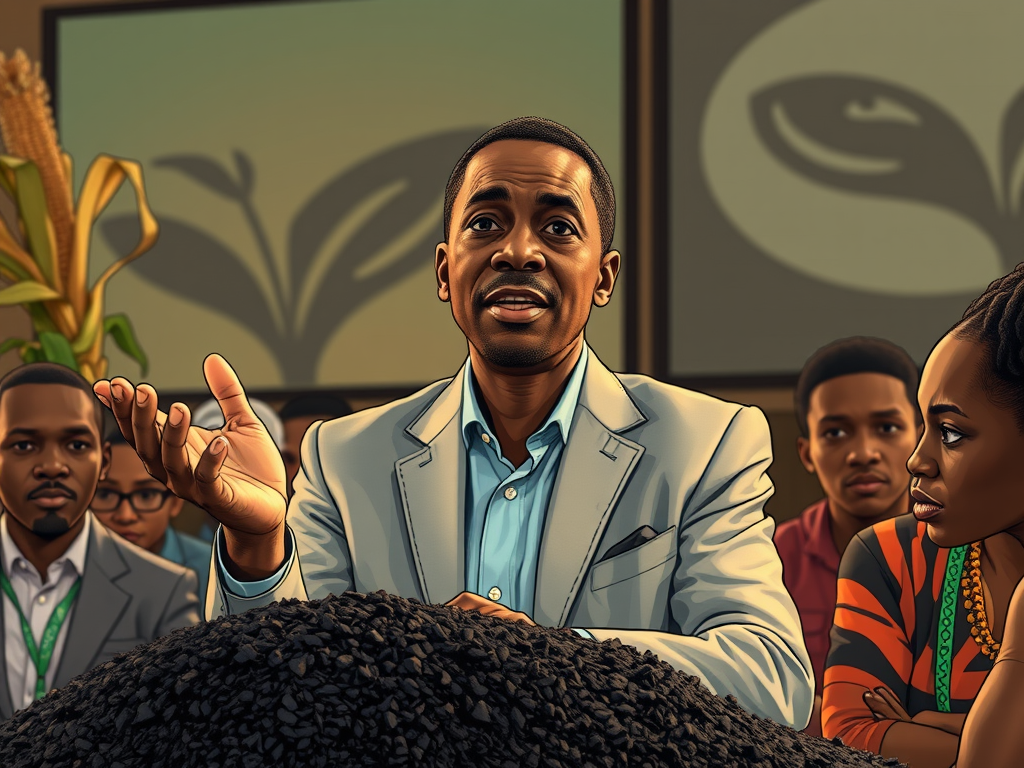
At the recent climate summit, Dr. Soulama, the Director General of the National Agency for the Valorization of Research Results (ANVAR), presented Burkina Faso’s experience with biocharBiochar is a carbon-rich material created from biomass decomposition in low-oxygen conditions. It has important applications in environmental remediation, soil improvement, agriculture, carbon sequestration, energy storage, and sustainable materials, promoting efficiency and reducing waste in various contexts while addressing climate change challenges. More. This initiative, developed with the support of the International Biochar Initiative (IBI), as well as funding from the Kingdom of Belgium, has been underway since 2017. The primary focus of the project is to address significant challenges faced by the country, including deforestation caused by reliance on wood fuel and the degradation of agricultural soils.
The presentation detailed the production of biochar from various agricultural residues, such as corn stalks, millet, and sorghum. Dr. Soulama highlighted the biochar’s dual utility: first, as a sustainable alternative to wood energy for cooking and heating, and second, as a soil amendmentA soil amendment is any material added to the soil to enhance its physical or chemical properties, improving its suitability for plant growth. Biochar is considered a soil amendment as it can improve soil structure, water retention, nutrient availability, and microbial activity. More to enhance agricultural yields. The project has involved the distribution of improved stoves to local communities, which are designed to use biochar briquettes more efficiently. This approach not only reduces the pressure on local forests but also offers an economic opportunity for producers.
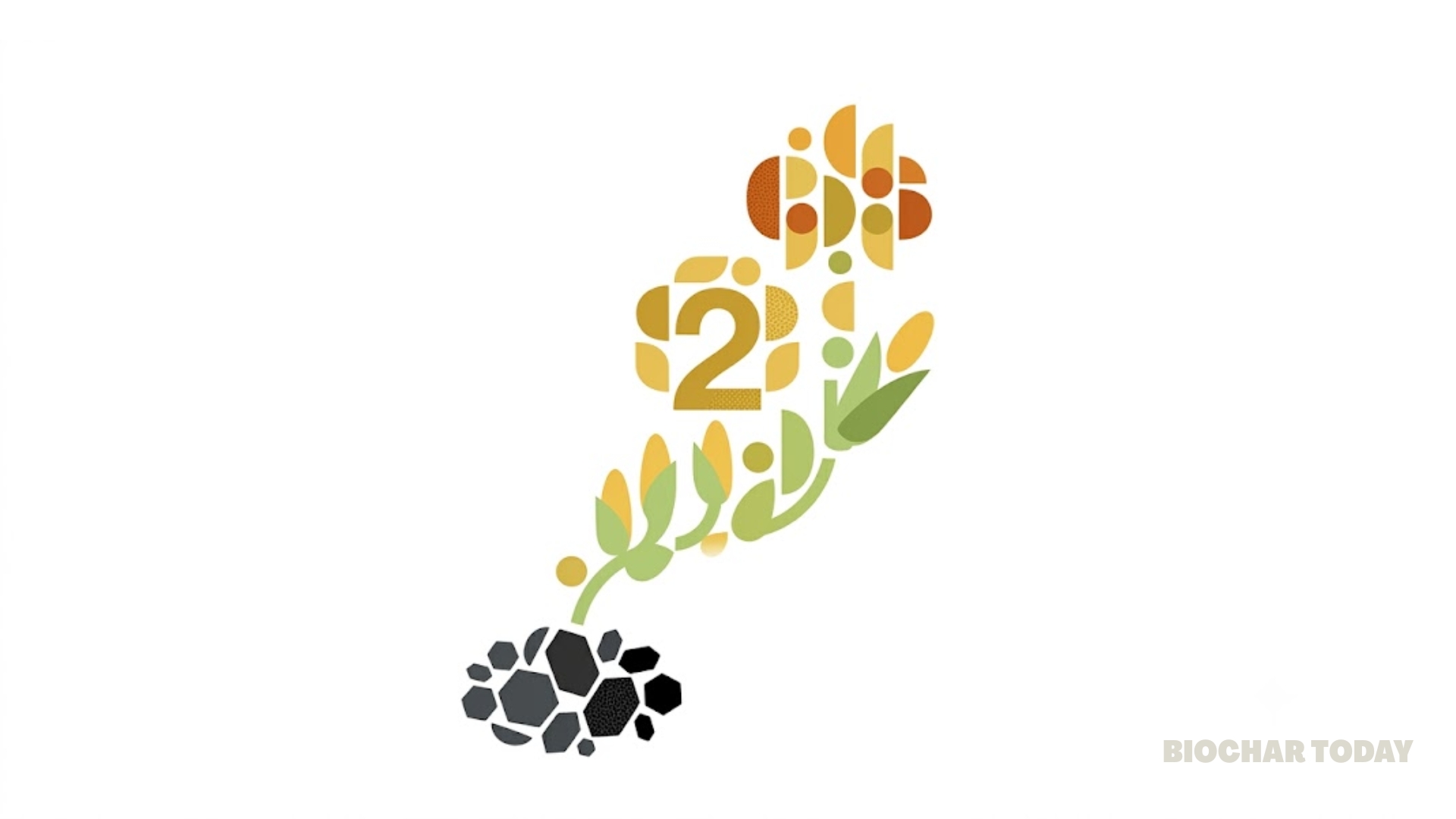
The initiative has demonstrated promising results in improving soil fertility, with Dr. Soulama citing trials where biochar application led to a 20-25% increase in crop yields. The project has also focused on training local populations in the production and use of biochar, fostering a circular economy model where waste is converted into valuable resources. The government of Burkina Faso is now considering scaling up these efforts to a national level, aiming to integrate biochar into its broader climate and agricultural policies. This model aligns with a growing global trend of using biochar to sequester carbon and improve land management practices.



Leave a Reply