

In the Brazilian state of Paraná, a new legislative proposal is aiming to transform agricultural waste into an economic and environmental asset. State Deputy Maria Victoria has introduced Project Law 915/2025, a bill designed to incentivize the production and widespread use of biocharBiochar is a carbon-rich material created from biomass decomposition in low-oxygen conditions. It has important applications in environmental remediation, soil improvement, agriculture, carbon sequestration, energy storage, and sustainable materials, promoting efficiency and reducing waste in various contexts while addressing climate change challenges. More throughout the region. This initiative seeks to establish a robust new supply chain, strengthen sustainable farming practices, and position Paraná as a leader in the intersection of agro-industry and environmental innovation.
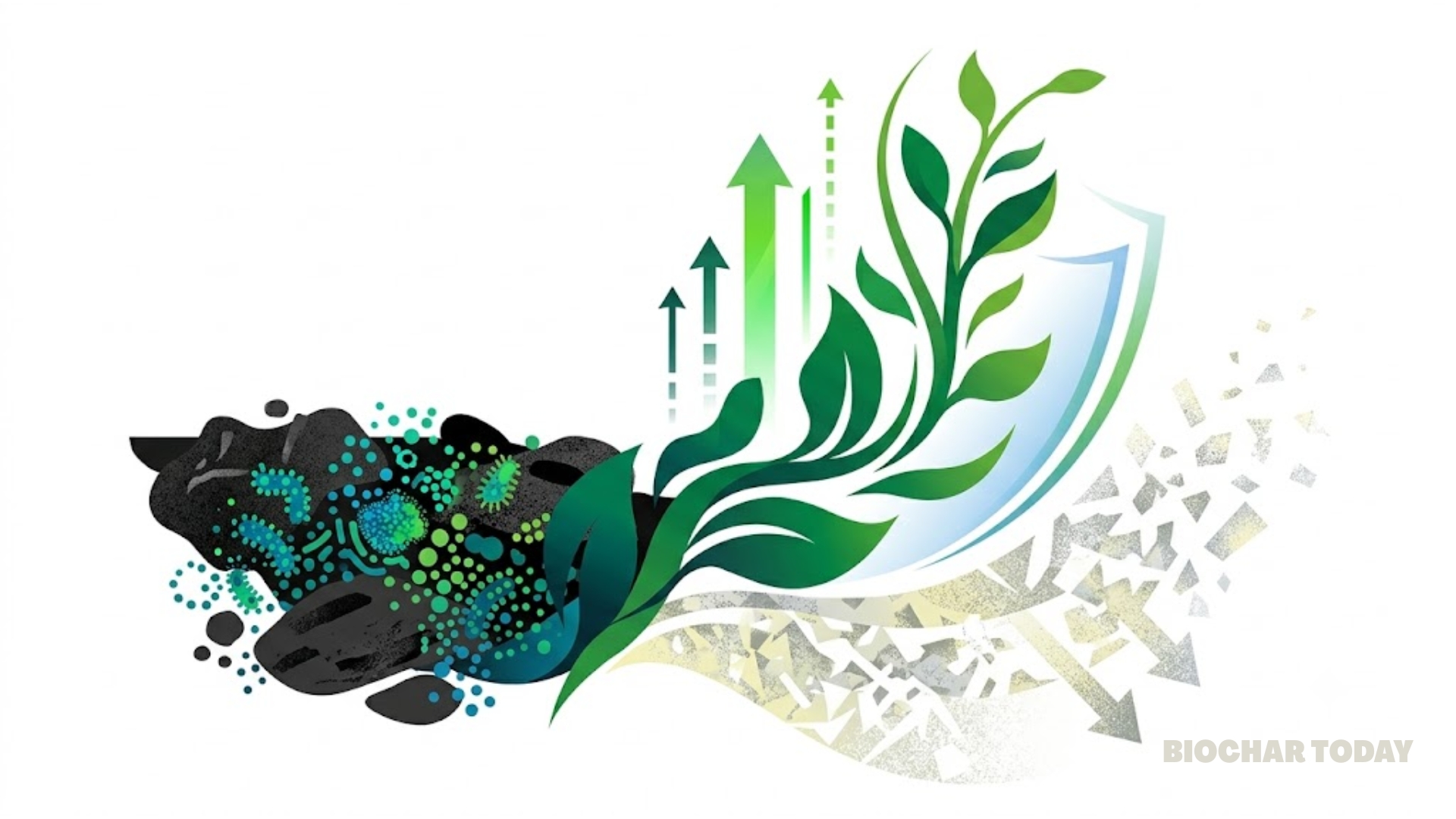
The core of the proposal centers on promoting biochar, a charcoal-like material created through the controlled heating (pyrolysisPyrolysis is a thermochemical process that converts waste biomass into bio-char, bio-oil, and pyro-gas. It offers significant advantages in waste valorization, turning low-value materials into economically valuable resources. Its versatility allows for tailored products based on operational conditions, presenting itself as a cost-effective and efficient More) of various organic residues, such as agricultural, forestry, and urban waste. Deputy Victoria emphasizes that this substance effectively turns discarded materials into tangible opportunities. When mixed into the soil, biochar significantly improves fertility and structure, boosting water retention and potentially reducing farmers’ reliance on costly chemical fertilizers. This characteristic not only lowers operational costs, especially for family farms and rural cooperatives, but also enhances overall crop productivity across the state.
Beyond its immediate agricultural benefits, the legislation addresses critical climate and economic goals. Biochar is recognized globally as an effective technology for carbon sequestration. By locking carbon into the ground for potentially hundreds of years, its widespread use could substantially contribute to mitigating greenhouse gas emissions, aligning perfectly with Paraná’s strategic plan for economic decarbonization. Furthermore, the Deputy projects that establishing this new industry will generate new jobs, attract investment in research and technology, and add significant value to both rural and urban economies.
The comprehensive bill is structured to foster a collaborative environment, authorizing support for scientific research, encouraging the circular economy, and facilitating public-private partnerships. The text also includes provisions for technical training and knowledge transfer, aiming to ensure the success of the new production chain. By prioritizing the conversion of waste into a valuable resource, Paraná is attempting to create a sustainable, low-carbon economic model. Now heading to the state’s Commission of Constitution and Justice for analysis, this project represents a concerted effort to unify regional development with long-term environmental responsibility.



Leave a Reply