
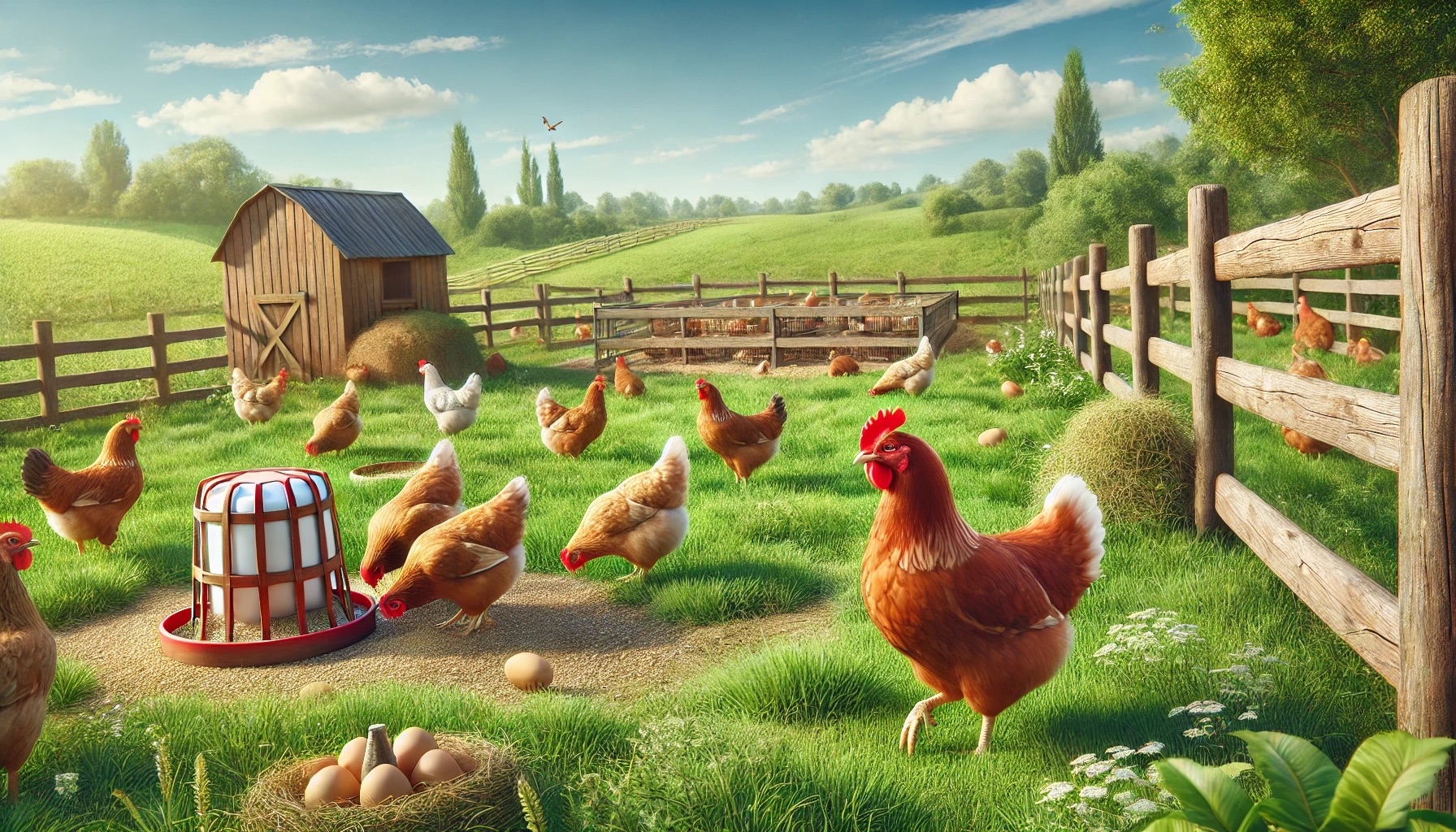
A new study from the DTU National Food Institute found that adding biocharBiochar is a carbon-rich material created from biomass decomposition in low-oxygen conditions. It has important applications in environmental remediation, soil improvement, agriculture, carbon sequestration, energy storage, and sustainable materials, promoting efficiency and reducing waste in various contexts while addressing climate change challenges. More to poultry feed can reduce campylobacter levels in chickens by 80%. The research, conducted on a free-range farm in Denmark, demonstrates biochar’s potential in real farm conditions, unlike previous lab studies that struggled to replicate similar results.
Senior researcher Brian Lassen, lead on the SafeChicken project, emphasized that lowering bacterial levels in chickens could have a meaningful impact on public health. The study focused on free-range and organic chickens, where bacterial control is more challenging than in conventional poultry systems.
The researchers also tested organic acids in drinking water, which had previously shown promise in reducing campylobacter. While a 76% reduction was observed in chickens at 36 days old, the effect diminished by slaughter age, suggesting that dosing strategies may need refinement.
Biochar, made from organic waste through pyrolysisPyrolysis is a thermochemical process that converts waste biomass into bio-char, bio-oil, and pyro-gas. It offers significant advantages in waste valorization, turning low-value materials into economically valuable resources. Its versatility allows for tailored products based on operational conditions, presenting itself as a cost-effective and efficient More, not only reduces campylobacter but could also lower CO₂ emissions and contribute to a circular economy. PhD student Cristina Calvo-Fernandez highlighted that biochar can significantly reduce campylobacter in free-range chickens without adverse health effects.
As campylobacter is a common cause of foodborne illness in humans, reducing its presence in poultry is critical for food safety. The SafeChicken project will continue until 2025, exploring additional strategies to combat campylobacter, including slaughterhouse interventions and further research into how biochar affects the chicken gut microbiome.
READ MORE: Feed additives can reduce campylobacter in free-range broilers




Leave a Reply