
Key Takeaways
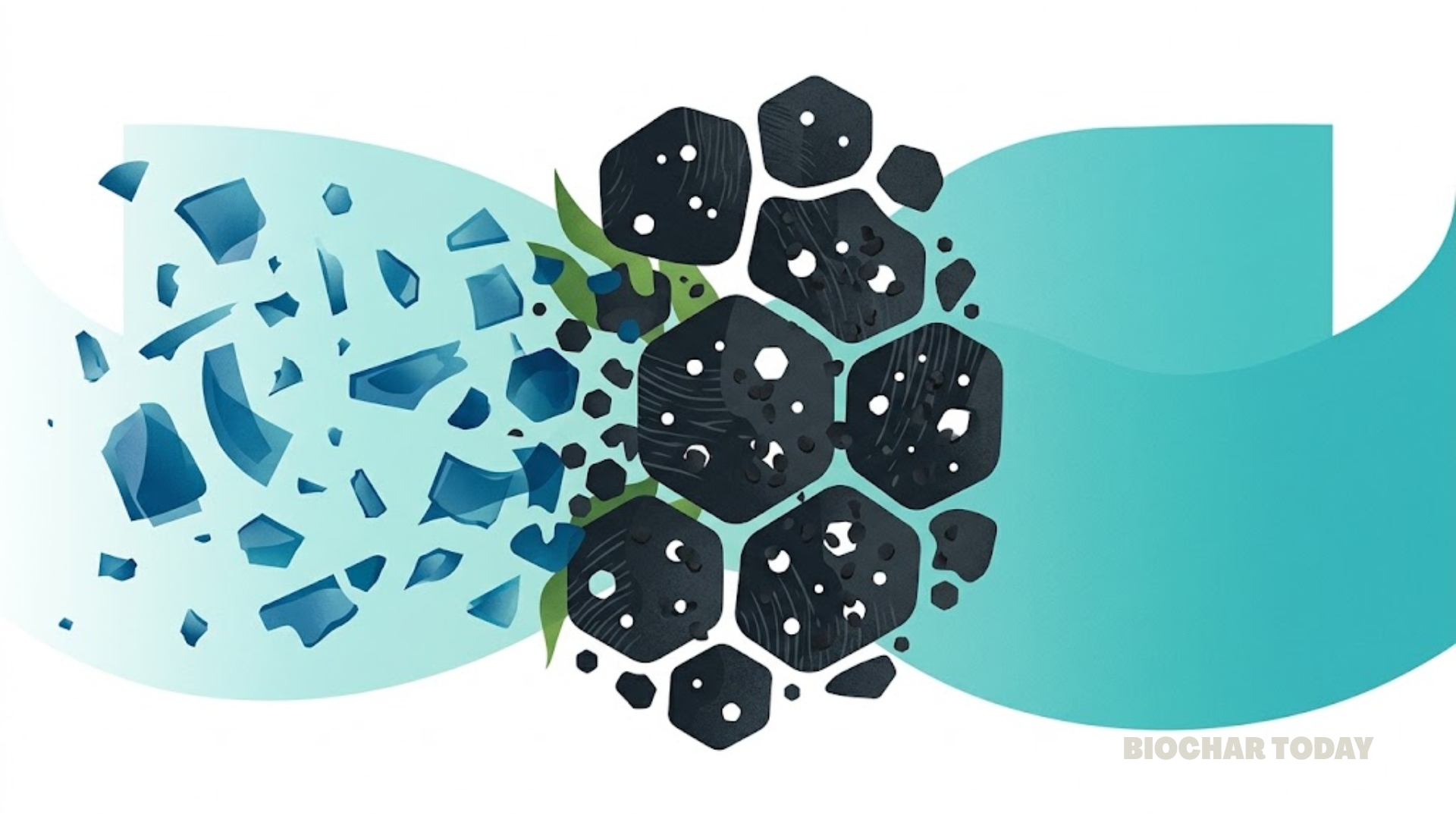
- Tiny engineered carbon particles can remove up to 99.9% of plastic pollutants from water.
- Advanced magnetic biocharBiochar is a carbon-rich material created from biomass decomposition in low-oxygen conditions. It has important applications in environmental remediation, soil improvement, agriculture, carbon sequestration, energy storage, and sustainable materials, promoting efficiency and reducing waste in various contexts while addressing climate change challenges. More allows for the easy recovery of captured plastics using simple magnets.
- High-temperature treatment of agricultural waste creates materials that trap plastic at a molecular level.
- New hybrid materials can break down plastic polymers into harmless byproducts through chemical reactions
- Converting farm waste into cleaning tools supports a sustainable system that reduces global pollution.
The journal BioNanoScience recently featured a comprehensive review by Amjid Khan, Tauqeer Ahmed Qadri, Vishnu D. Rajput, Rashid Abbas Khan, Bushra Ashiq, Zabta Khan Shinwari, and Malik Maaza concerning the use of nanotechnology to enhance biochar for environmental restoration. Their research underscores a critical environmental shift as global plastic production now exceeds 450 million tons annually, with waste accumulation projected to hit 11 billion tons by 2025. Traditional remediation methods used in wastewater treatment plants often fail to capture smaller nanoplastics, which are defined by a size range of 1 to 1000 nanometers and can easily penetrate biological membranes. The authors identify nano-engineered biochar as a superior solution because it leverages molecular-level mechanisms to trap these persistent sub-micron pollutants that are otherwise immune to mechanical filtration.
The findings demonstrate that the effectiveness of these advanced materials is rooted in their extreme surface-to-volume ratios and specialized functional sites. For example, carbon nanotubes and nano-based sponges have demonstrated exceptional efficiency in extracting microplastics, with documented success rates reaching as high as 99.9%. Furthermore, the study details how magnetic nanoparticles, such as iron oxide, can be integrated into the biochar matrix to achieve removal efficiencies exceeding 95%. This magnetic separation technology is particularly valuable because it allows for the external collection of captured plastics without creating secondary pollution, addressing one of the primary technical barriers in current water treatment strategies.
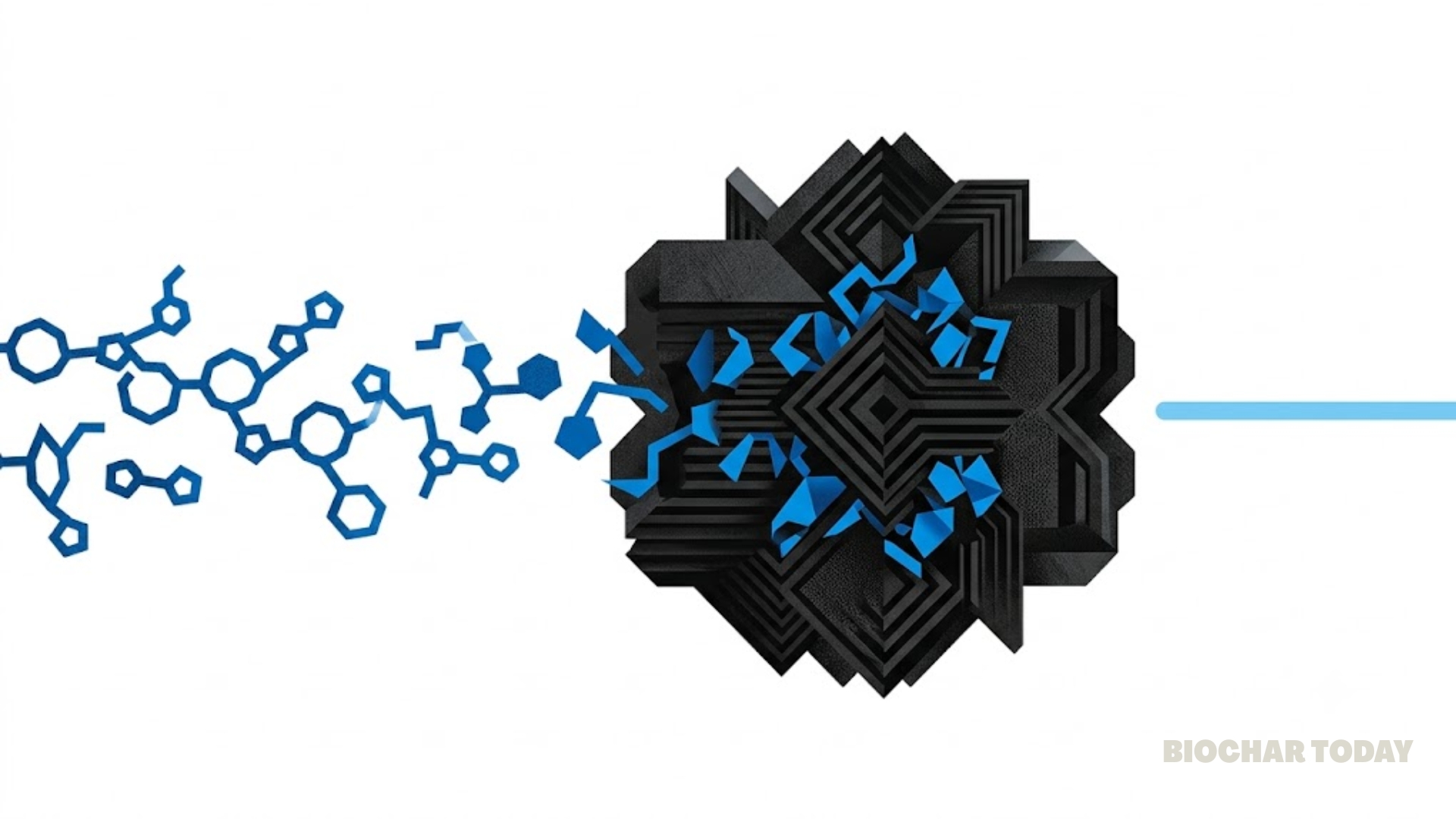
In addition to physical capture, the researchers found that these hybrid composites can facilitate the actual chemical degradation of plastic polymers. By using metal catalysts like titanium dioxide or zinc oxide, the remediation agents can trigger reactions that break down long plastic chains into smaller, less dangerous fragments. One of the most promising innovations discussed is the use of enzyme-immobilized biochar, which utilizes biological catalysts to depolymerize plastics into environmentally benign compounds. This “capture-and-catalyze” process allows for the localized concentration of pollutants at the material interface, followed by immediate mineralization, which significantly reduces the energy required for polymer breakdown.
The environmental behavior of microplastics is highly influenced by their physical properties, such as density and surface charge. Low-density plastics like polyethylene tend to float, while higher-density materials like polyvinyl chloride sink into sediments. The study explains how biochar can be specifically tailored to these different scenarios; for instance, high-temperature treatment increases the material’s ability to trap nanoplastics through physical pore-filling. Additionally, environmental “weathering” or aging of plastics often increases their polarity, which can surprisingly enhance their affinity for modified biochar composites, leading to removal efficiencies as high as 97% for aged materials compared to only 25% for pristine counterparts.
Despite these impressive laboratory results, the transition to real-world application faces challenges related to cost and scalability. The synthesis of advanced composites can be five to ten times more expensive than standard biochar. To bridge this gap, the researchers propose a strategic roadmap that prioritizes safety and standardization before moving to industrial-scale engineering. By integrating artificial intelligence for polymer-specific targeting and adopting circular-economy frameworks to convert agricultural waste into high-value tools, the authors believe these technologies can be effectively deployed to restore clean water and healthy soil on a global scale.
Source: Khan, A., Qadri, T. A., Rajput, V. D., Khan, R. A., Ashiq, B., Shinwari, Z. K., & Maaza, M. (2026). Advancements in nanomaterial-enhanced biochar for microplastic remediation: A comprehensive review of environmental impact and remediation strategies. BioNanoScience, 16, 304.



Leave a Reply