
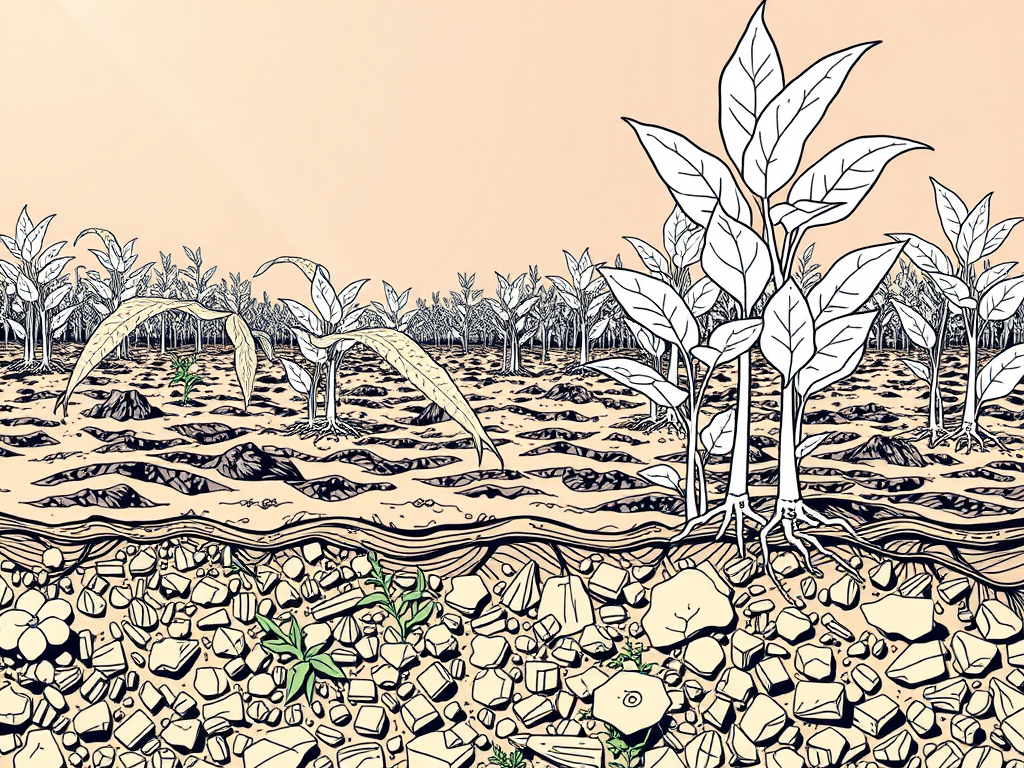
Researchers have developed biochar-based fertilizers, which combine biocharBiochar is a carbon-rich material created from biomass decomposition in low-oxygen conditions. It has important applications in environmental remediation, soil improvement, agriculture, carbon sequestration, energy storage, and sustainable materials, promoting efficiency and reducing waste in various contexts while addressing climate change challenges. More with essential nutrients. These fertilizers enhance nutrient availability, improve soil texture, and promote crop growth while reducing the need for chemical fertilizers. This review systematically examines the preparation methods, mechanisms, and benefits of biochar-based fertilizers in agricultural systems, providing a scientific foundation for their targeted application.
Biochar-based fertilizers are classified based on their nutrient composition and nutrient type, such as nitrogen, phosphorus, and potassium. To enhance their properties, biochar-based fertilizers may be modified with microbial inoculants or nanomaterials to improve nutrient release and crop resistance. The preparation methods for biochar-based fertilizers include co-pyrolysis , in situ pyrolysisPyrolysis is a thermochemical process that converts waste biomass into bio-char, bio-oil, and pyro-gas. It offers significant advantages in waste valorization, turning low-value materials into economically valuable resources. Its versatility allows for tailored products based on operational conditions, presenting itself as a cost-effective and efficient More , impregnation , granulation, and coating.
Life cycle assessments of biochar-based fertilizers show that they have a low carbon footprint and significant environmental benefits. Biochar-based fertilizers improve soil chemical, physical, and biological properties of the soil . These fertilizers have been shown to increase crop yields and improve crop quality in various agricultural systems.
Biochar-based fertilizers support sustainable agriculture by reducing reliance on non-renewable resources and mitigating environmental pollution. They effectively recycle agricultural waste, reducing the environmental impact of straw burning and manure pollution. Moreover, they reduce the emissions of greenhouse gasses, such as methane and nitrous oxide, contributing to climate change mitigation.
While biochar-based fertilizers offer numerous advantages, challenges remain in their large-scale application. Future research should focus on long-term field trials, understanding interaction mechanisms, developing standardized preparation techniques, and reducing production costs. Addressing these challenges will facilitate the wider adoption of biochar-based fertilizers, promoting sustainable agriculture and supporting global environmental goals.
SOURCE: Luo, P., Zhang, W., Xiao, D., Hu, J., Li, N., & Yang, J. (2025). Biochar-Based Fertilizers: Advancements, Applications, and Future Directions in Sustainable Agriculture-A Review. Agronomy, 15(1104)




Leave a Reply